What Do I Do About Paphiopedilum 'Hawaiian Fancy' Root Rot?
Paphiopedilum 'Hawaiian Fancy'
By the Greg Editorial Team
Apr 06, 2024•3 min read
This article was created with the help of AI so we can cover more plants for you. May contain errors. See one? Report it here.
Rescue your 'Hawaiian Fancy' 🌺 from root rot with these crucial, life-saving plant care tips!
- Yellow leaves and soft roots signal root rot; inspect and trim carefully.
- Sterilize tools, repot with drainage to treat and prevent further rot.
- Adjust watering, airflow, and inspections to maintain a healthy orchid.
Spotting the Red Flags: Symptoms of Root Rot
🚨 Visual Symptoms
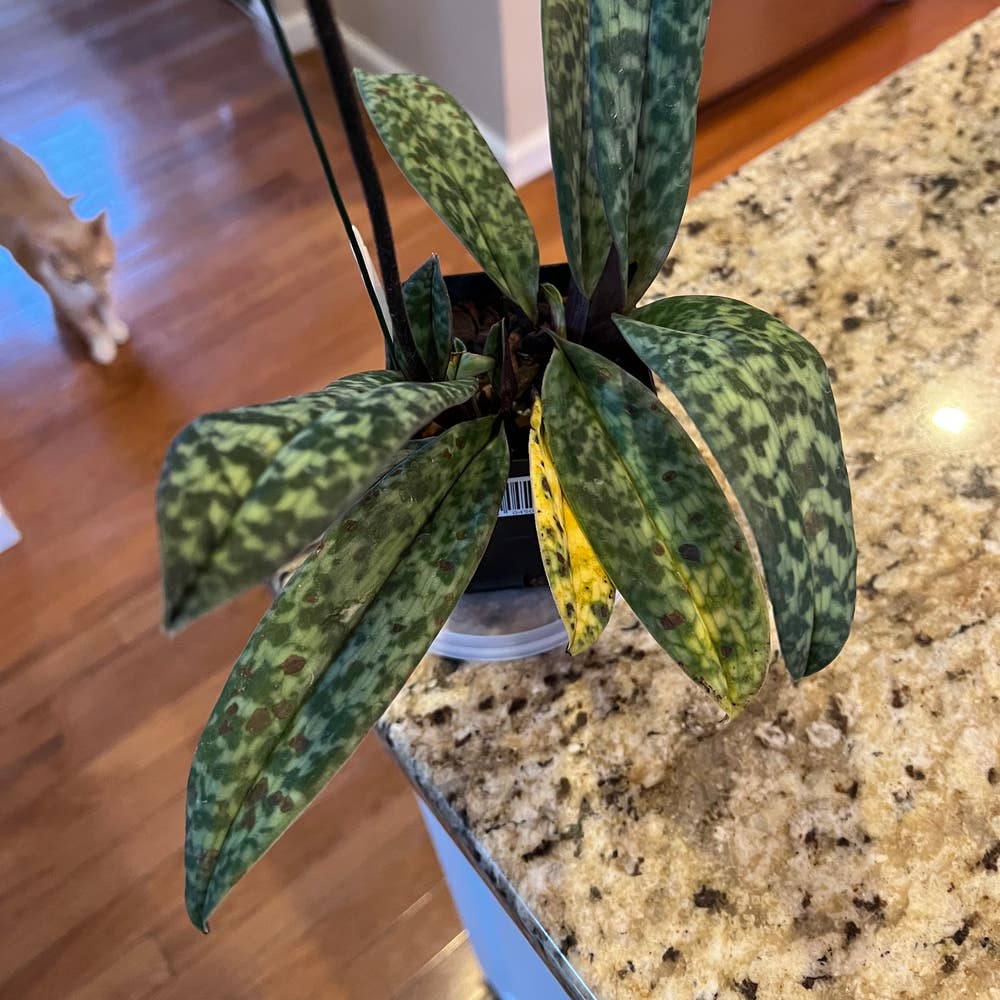
Yellowing leaves are the first hint; they're not just losing their luster, they're screaming for help. Soft, discolored roots are the grim confirmation—healthy roots don't look like overcooked pasta.
🌱 Plant Behavior
Wilting is your orchid's white flag; it's not just being dramatic. Stunted growth and a lack of new shoots are subtle cries for attention—ignore them at your plant's peril.
First Response: Immediate Actions to Combat Root Rot
🔍 Inspect and Trim
Root rot waits for no one. Inspect your Paphiopedilum 'Hawaiian Fancy' like a detective at a crime scene. Healthy roots are firm and white; anything mushy and brown gets the chop. Trim with the precision of a top chef filleting a fish.
🔒 Sterilization is Key
Before you play plant surgeon, sterilize your tools. Think of it as washing your hands before dinner, but instead, you're preventing an all-out bacterial banquet at your orchid's expense.
🌱 The Repotting Process
After the bad roots are history, it's repotting time. Choose a medium that's like the VIP section of a club—exclusive to air and water. The pot? Make sure it's got drainage for days. Your orchid's roots despise a soggy bottom more than a baker's undercooked pastry.
Water Wisely: Adjusting Your Watering Routine
💧 When to Water
Understanding your Paphiopedilum 'Hawaiian Fancy' orchid's watering needs is crucial to prevent root rot. It's not about marking days on the calendar; it's about observing the plant. When the pot feels light or the top inch of the medium is dry, it's time to water. Seasonal shifts mean less water in winter and more during the growing season.
💦 How to Water
Watering techniques can make or break your orchid's health. Aim for moist medium, avoiding sogginess or complete dryness. Use room-temperature water to prevent root shock. Ensure your pot has drainage holes to let excess water escape. Water in the morning, so any excess can evaporate during the day. Remember, quality matters—rainwater or filtered water is the orchid's best friend.
Building Strong Defenses: Preventative Measures
🚰 Ensuring Proper Drainage
Drainage holes are non-negotiable. They're the escape route for excess water, acting like a safety net against root rot. Choose pots that come equipped with them, or get ready to drill.
💨 Air Circulation and Environment
Stagnant air is a no-go. Boost airflow around your Paphiopedilum 'Hawaiian Fancy' to keep the atmosphere fresh and rot at bay. Keep humidity in check; a dehumidifier or fan can work wonders in a humid climate.
👩🔬 Regular Check-ups
Make routine inspections a habit. Look for subtle changes in leaf color or texture as early warnings. It's like being a detective on the lookout for clues of root rot, catching it before it turns into a full-blown case.
⚠️ Safety First
This content is for general information and may contain errors, omissions, or outdated details. It is not medical, veterinary advice, or an endorsement of therapeutic claims.
Always consult a qualified healthcare professional before using any plant as food, medicine, or supplement.
Never eat any plant (or feed one to pets) without confirming its identity with at least two trusted sources.
If you suspect poisoning, call Poison Control (800) 222-1222, the Pet Poison Helpline (800) 213-6680, or your local emergency service immediately.
Spotted an error? Please report it here.
Revive your Paphiopedilum 'Hawaiian Fancy' and keep it thriving 🌱 with Greg's personalized moisture monitoring to nip root rot in the bud!