🌞 Does My Paphiopedilum 'Hawaiian Fancy' Need Direct Sunlight?
Paphiopedilum 'Hawaiian Fancy'
By the Greg Editorial Team
Apr 06, 2024•3 min read
This article was created with the help of AI so we can cover more plants for you. May contain errors. See one? Report it here.
Nurture your 'Hawaiian Fancy' 🌿 to perfection by decoding its sunlight language—no more guesswork or leaf burn! ☀️
- 🌿 Indirect sunlight is best for 'Hawaiian Fancy' orchids.
- 🌞 East-facing windows offer ideal light conditions.
- 🕶️ Use sheer curtains to filter intense sunlight.
Sunlight and the 'Hawaiian Fancy': A Delicate Dance
🌞 Defining Direct vs. Indirect Sunlight
Direct sunlight is the unfiltered solar heavyweight, landing a one-two punch of intense rays on anything in its path. It's the kind of light that casts sharp shadows and can lead to a sunburn on your Paphiopedilum 'Hawaiian Fancy'. Indirect sunlight, however, is the gentle sparring partner; it's diffused, either bouncing off surfaces or filtering through sheer materials, providing a milder environment for your orchid.
Can 'Hawaiian Fancy' Handle the Heat?
The 'Hawaiian Fancy' has a love-hate relationship with direct sunlight. It craves brightness but wilts under the harshness of direct rays. If your orchid's leaves start to resemble a crispy snack or its vibrant colors fade, it's waving a white flag. These are distress signals that your plant is getting too much sun. Keep an eye out for leaf burn, a sure sign that your 'Hawaiian Fancy' is pleading for shade.
Window Direction: A Compass for Your Orchid's Light Needs
🌅 North, South, East, or West: Navigating the Best Exposure
East-facing windows are the morning glory for your 'Hawaiian Fancy'. They offer a gentle start, with no risk of the harsh midday sun. West-facing windows? They're the afternoon warriors, packing a punch of intense light that might be too much for your delicate orchid.
🌍 Hemisphere Hints: Adjusting Care by Location
If you're in the Northern Hemisphere, south-facing windows are the VIP lounge, offering the most consistent light show. But, if you're chilling in the Southern Hemisphere, flip the script and aim for north-facing windows. They're the equivalent hotspot for your 'Hawaiian Fancy'. Remember, the sun has a different tour route depending on your global address.
Shielding 'Hawaiian Fancy' from Too Much Sun
🌞 The Art of Light Filtering
Sheer curtains aren't just chic; they're orchid lifesavers. They filter out the intense rays, leaving a soft, diffused light that your 'Hawaiian Fancy' will adore. Think of them as a sunscreen for your plant's delicate leaves.
⏰ Timing is Everything
The time of day matters. Your 'Hawaiian Fancy' prefers its sunlight like a gentle morning hug, not an afternoon smackdown. Position it to catch the early rays and shield it during the harsher, later hours. This way, you avoid the risk of leaf burn and keep your orchid in a state of blissful photosynthesis.
Observing and Adapting: The Key to Sunlight Success
🌿 Reading Your Plant's Signals
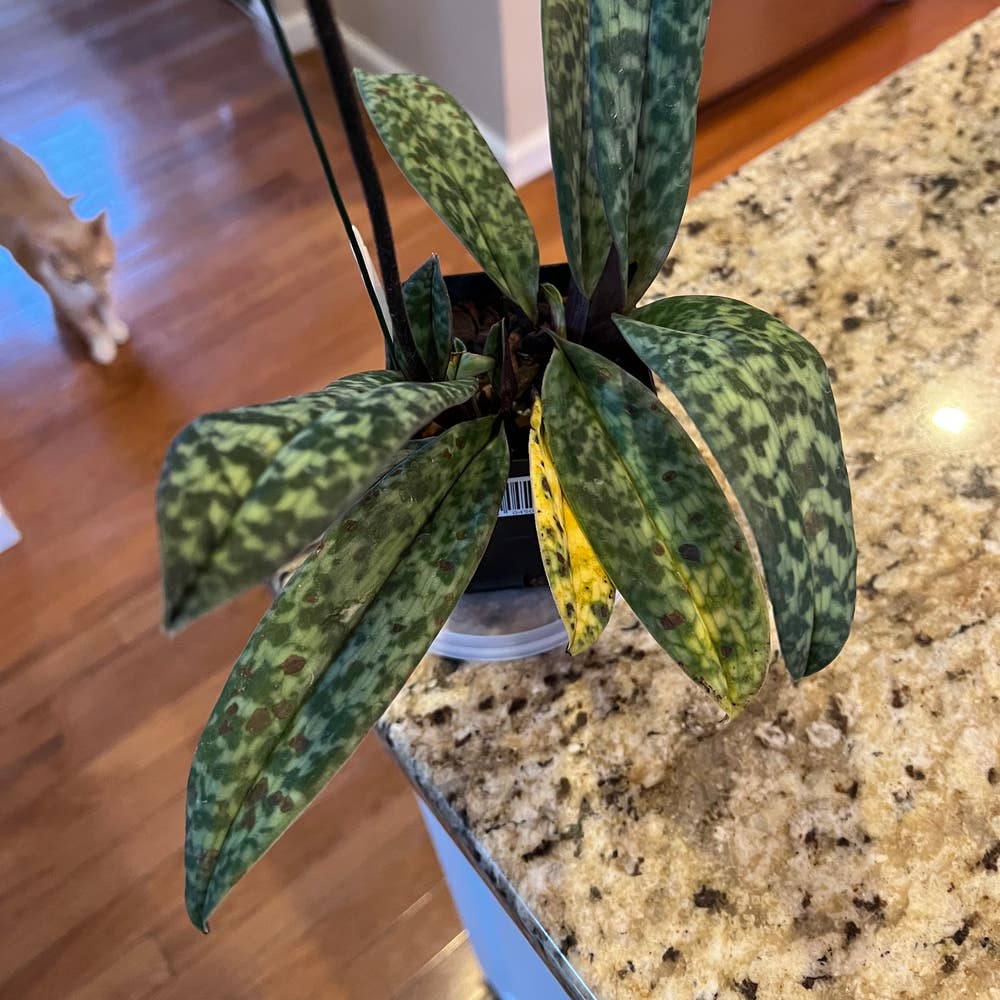
Your Paphiopedilum 'Hawaiian Fancy' is a living barometer for its own light needs. Leaves that are too dark green signal a plea for more sunlight, while leaves with crispy edges or a bleached look scream overexposure. It's a non-stop dialogue; pay attention.
🌞 Fine-Tuning Light Conditions
Adjusting your orchid's light diet is essential. If the leaves are lush and growth is vigorous, your light levels are likely spot on. No improvement after changes? Time to reassess. Remember, your plant's feedback is instantaneous, so keep your eyes open and be ready to shift your strategy.
⚠️ Safety First
This content is for general information and may contain errors, omissions, or outdated details. It is not medical, veterinary advice, or an endorsement of therapeutic claims.
Always consult a qualified healthcare professional before using any plant as food, medicine, or supplement.
Never eat any plant (or feed one to pets) without confirming its identity with at least two trusted sources.
If you suspect poisoning, call Poison Control (800) 222-1222, the Pet Poison Helpline (800) 213-6680, or your local emergency service immediately.
Spotted an error? Please report it here.
Watch your 'Hawaiian Fancy' orchid flourish by adjusting 🌿 its spot with insights from Greg, ensuring it gets the perfect amount of gentle sunlight.