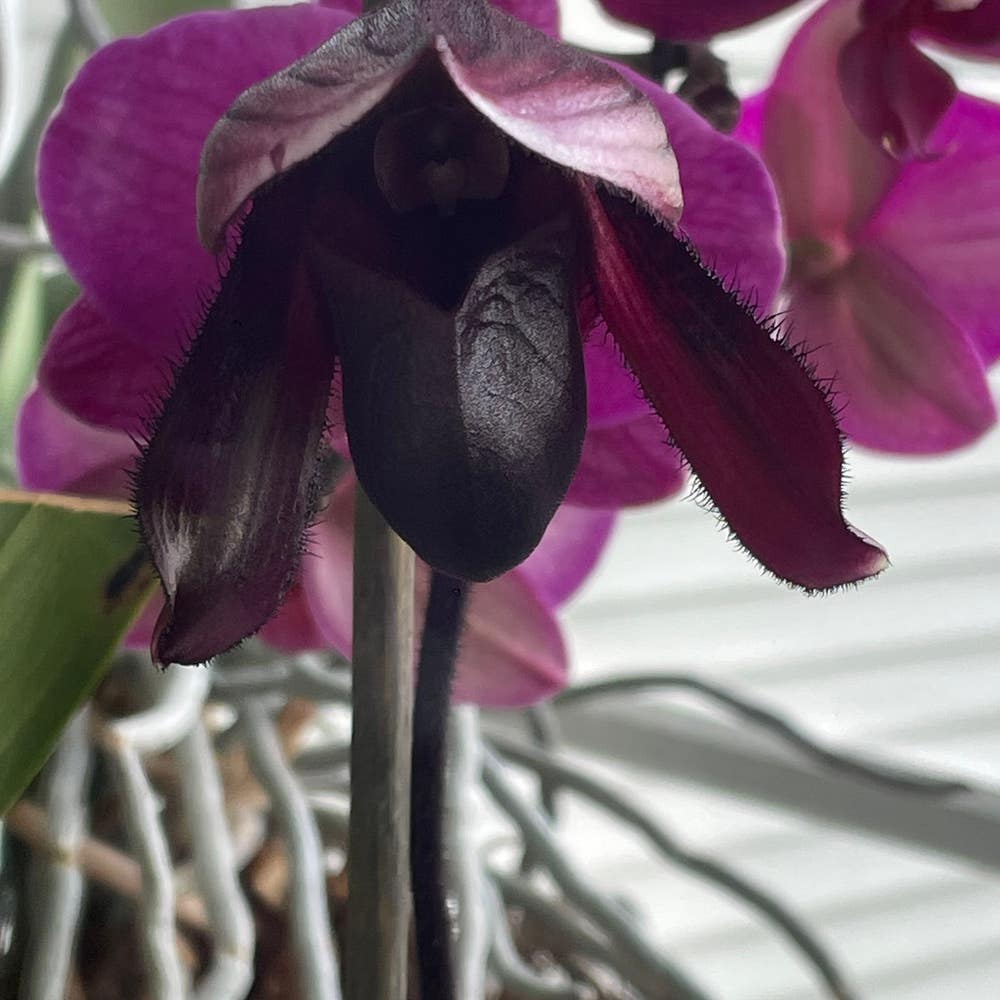
🌺 6 Outdoor Care Tips for Paphiopedilum 'Hawaiian Fancy'
Paphiopedilum 'Hawaiian Fancy'
By the Greg Editorial Team
Sep 29, 2024•5 min read
This article was created with the help of AI so we can cover more plants for you. May contain errors. See one? Report it here.
Unlock vibrant blooms for your Paphiopedilum 'Hawaiian Fancy' 🌸 with essential outdoor care tips that ensure year-round success!
- 🌞 Paphiopedilum 'Hawaiian Fancy' thrives in filtered sunlight, avoiding direct sun to prevent leaf burn.
- 💧 Water every 5-7 days using the soak and dry method for optimal moisture.
- 🌿 Maintain humidity levels between 50-70% for healthy growth and thriving orchids.
Outdoor Care Essentials
🌞 Sunlight Needs and Optimal Light Conditions
Paphiopedilum 'Hawaiian Fancy' thrives in filtered sunlight or partial shade. Direct sunlight can lead to leaf burn, so aim for light levels that provide 50-70% shade.
💧 Watering Requirements and Techniques
During the growing season, water your orchid every 5-7 days. Use the soak and dry method to ensure proper moisture retention, and maintain humidity levels between 50-70% for optimal growth.
🌱 Soil Preferences and Potting Mix Recommendations
A well-draining, moisture-retentive soil mix is crucial for your orchid's health. Combine bark, perlite, and sphagnum moss to create the ideal environment, and keep the pH level slightly acidic, between 5.5 and 6.5.
With these outdoor care essentials in mind, you're well on your way to nurturing your Paphiopedilum. Next, let’s explore the benefits and drawbacks of different planting options.
Planting Options
🌱 Benefits and Drawbacks of Container vs. Ground Planting
When it comes to planting your Paphiopedilum 'Hawaiian Fancy', you have two main options: containers or ground planting. Each method has its own set of advantages and challenges.
Container Planting
Container planting offers you precise control over soil and moisture levels. This flexibility allows you to tailor the environment to your orchid's needs, making it easier to manage pests and diseases.
Mobility is another perk. You can easily move your plants to optimize sunlight exposure or protect them from harsh weather. Plus, if you notice any issues, you can quickly relocate them for better care.
Ground Planting
On the flip side, ground planting can lead to natural moisture retention, which is beneficial for your orchid's growth. The soil in your garden can provide a more stable environment, allowing for potentially larger growth.
However, this method comes with less control over conditions. Changes in weather or soil quality can impact your plant's health. You might find it harder to manage pests and diseases without the flexibility of moving your plants around.
In summary, both planting options have their unique benefits and drawbacks. Consider your gardening style and the specific needs of your Paphiopedilum when making your choice.
Next, we’ll explore how to protect your orchids from environmental factors, ensuring they thrive in any setting.
Protection from Environmental Factors
🌤️ Weather Protection Strategies and Pest Management
To keep your Paphiopedilum 'Hawaiian Fancy' thriving outdoors, weather protection is crucial. Use shade cloth to shield your orchids from intense sunlight and heat, preventing leaf burn and stress.
For colder months, consider applying frost cloth or mulch to protect the roots from freezing temperatures. Additionally, windbreaks can help shield your plants from strong winds, which can cause physical damage.
When it comes to pests, be vigilant about common offenders like aphids and mealybugs. Regularly inspect your plants and use insecticidal soap or neem oil for effective control.
🦠 Diseases and Prevention Methods
Paphiopedilum orchids can be susceptible to diseases such as root rot and leaf spot. To prevent these issues, ensure proper watering techniques and maintain good air circulation around your plants.
If you notice signs of disease, treatment options include fungicides and various organic solutions. Always act quickly to minimize damage and keep your orchids healthy.
With the right protective measures and disease management, your Paphiopedilum can flourish in outdoor settings. Next, let’s explore how to adjust care routines based on seasonal changes and climate zones.
Seasonal Care
Adjusting Care Routines Based on Seasonal Changes and Climate Zones 🌦️
Caring for your Paphiopedilum 'Hawaiian Fancy' requires a keen eye on the seasons. Adjust your watering and fertilization routines to match the changing climate, ensuring your orchid thrives year-round.
In tropical climates, maintain consistent moisture and humidity levels. During the rainy season, you may need to reduce watering frequency, while in drier months, increase it to prevent stress.
For temperate zones, seasonal shifts demand more attention. In spring and summer, boost fertilization to support growth, but cut back in fall and winter when the plant enters dormancy.
Winterizing Techniques and Summer Care Adjustments ❄️
As temperatures drop, winterizing your orchid becomes essential. Protect it from frost by moving it indoors or using frost cloths. Ensure it receives adequate light, but avoid direct exposure that can lead to leaf burn.
In summer, your Paphiopedilum will appreciate a little extra care. Increase humidity levels and consider using shade cloth to shield it from intense sunlight. Regularly check for pests, as warmer weather can invite unwanted guests.
By adapting your care routines to seasonal changes, you’ll promote a healthy, vibrant orchid that flourishes in any climate. Next, let’s explore advanced care techniques to troubleshoot common issues and ensure your plant continues to thrive.
Advanced Care Techniques
Troubleshooting Common Issues and Promoting Healthy Growth 🌱
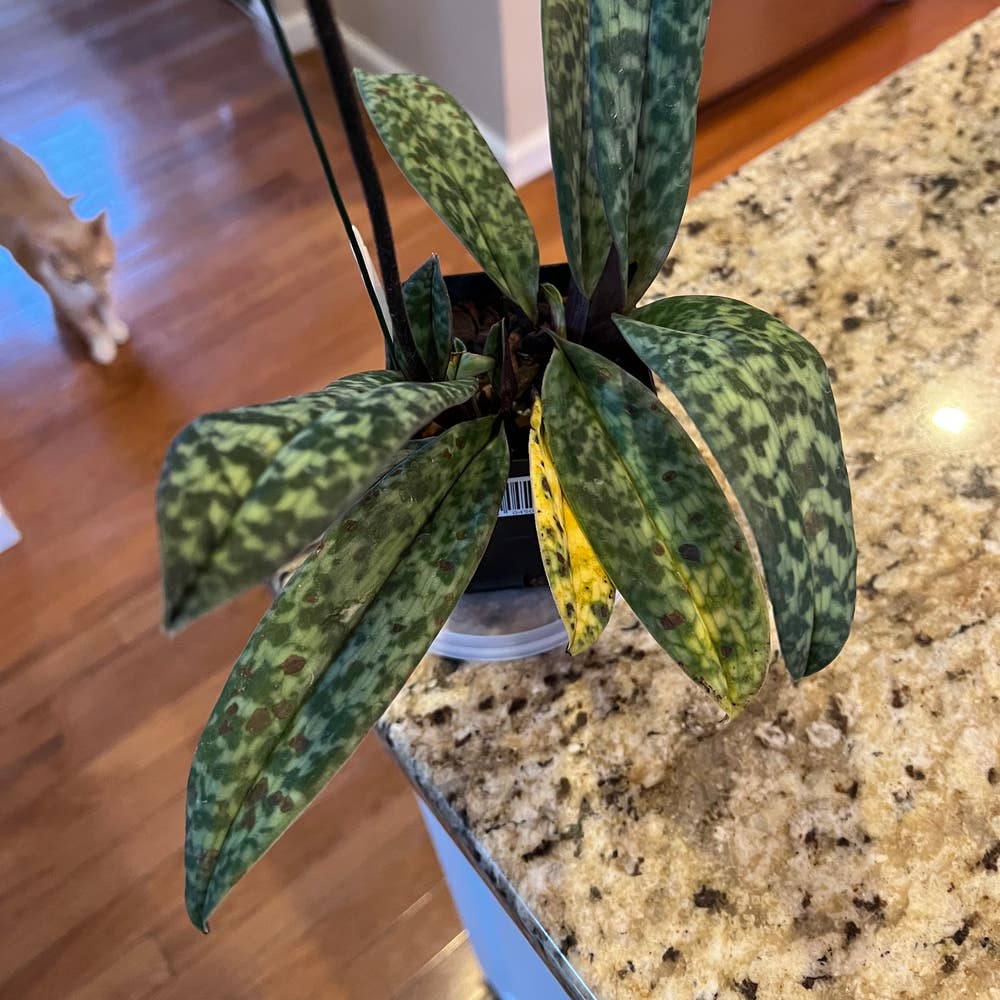
Identifying signs of stress in your Paphiopedilum 'Hawaiian Fancy' is crucial for maintaining its health. Look for yellowing leaves or stunted growth, as these can indicate underlying issues.
Overwatering is a common problem that leads to root rot. Ensure your potting mix drains well and adjust your watering schedule accordingly. Nutrient deficiencies can also stunt growth; consider using a balanced orchid fertilizer to replenish essential nutrients.
Light and humidity play vital roles in blooming. Ensure your orchid receives adequate filtered sunlight and maintain humidity levels between 50-70%. This combination fosters vibrant blooms and overall plant vitality.
Myth-Busting Common Misconceptions About Outdoor Orchid Care 🧐
Many myths surround the care of outdoor orchids, particularly regarding watering frequency. Contrary to popular belief, Paphiopedilum orchids thrive on a consistent watering schedule rather than sporadic drenching.
Another misconception is about sunlight exposure. While they prefer filtered light, some gardeners mistakenly think they can handle full sun. Understanding the adaptability of Paphiopedilum to outdoor conditions is key to successful cultivation.
As you navigate the complexities of orchid care, remember that knowledge is your best ally. With the right techniques and a bit of patience, your Paphiopedilum can flourish beautifully.
Next, let’s explore how to adjust care routines based on seasonal changes and climate zones.
⚠️ Safety First
This content is for general information and may contain errors, omissions, or outdated details. It is not medical, veterinary advice, or an endorsement of therapeutic claims.
Always consult a qualified healthcare professional before using any plant as food, medicine, or supplement.
Never eat any plant (or feed one to pets) without confirming its identity with at least two trusted sources.
If you suspect poisoning, call Poison Control (800) 222-1222, the Pet Poison Helpline (800) 213-6680, or your local emergency service immediately.
Spotted an error? Please report it here.
Create the perfect paradise for your Paphiopedilum 🌿 with Greg's tailored watering reminders and humidity tracking, ensuring your orchid thrives beautifully all year round!