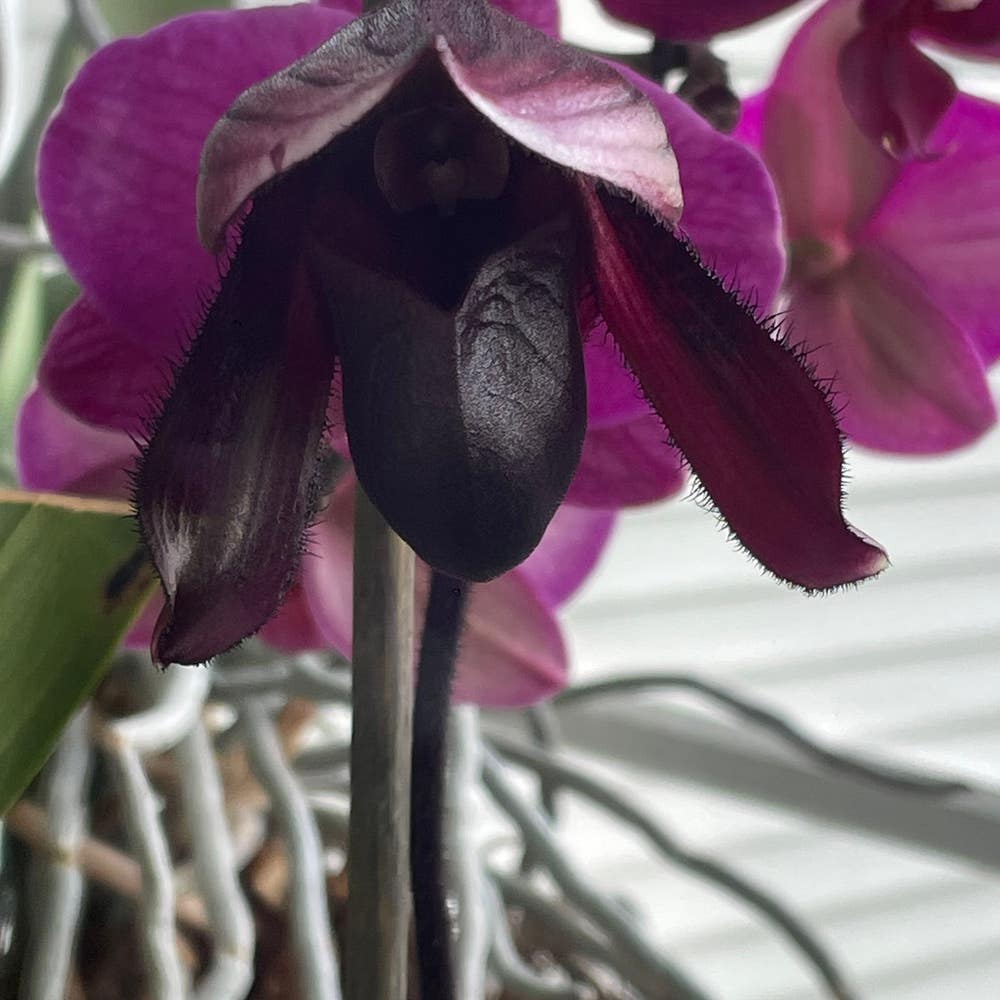
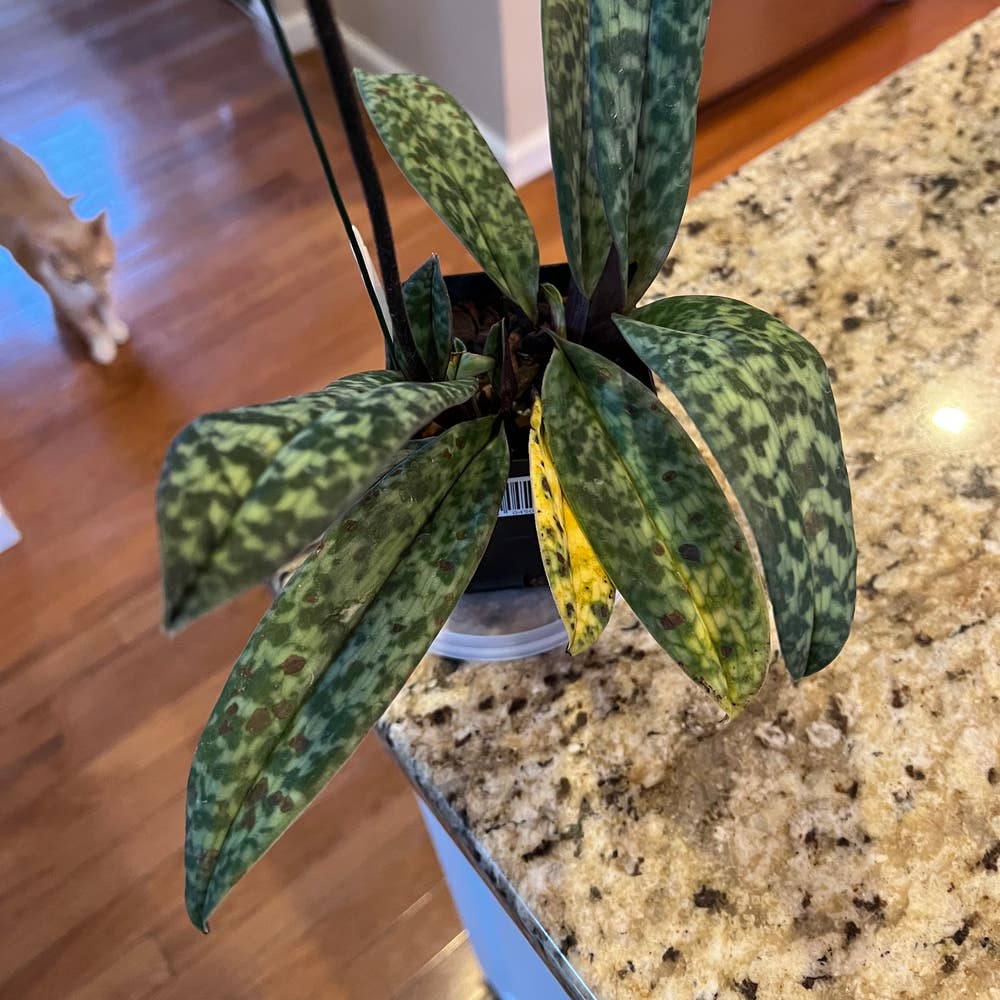
🌺 How to Plant Your Paphiopedilum 'Hawaiian Fancy'
Paphiopedilum 'Hawaiian Fancy'
By the Greg Editorial Team
Sep 29, 2024•4 min read
This article was created with the help of AI so we can cover more plants for you. May contain errors. See one? Report it here.
Unlock vibrant blooms for your Paphiopedilum 'Hawaiian Fancy' 🌺 with essential planting and transplanting tips!
- 🌱 Planting new Paphiopedilum 'Hawaiian Fancy' is cost-effective and allows tailored growth conditions.
- 🌼 Transplanting established plants can yield immediate blooms due to developed root systems.
- ⏳ Patience is key; new plants require more care and time to mature.
Planting vs. Transplanting Paphiopedilum 'Hawaiian Fancy'
💡 Benefits and Drawbacks of Each Method
When it comes to growing your Paphiopedilum 'Hawaiian Fancy', you have two main options: planting new or transplanting established plants. Each method has its own set of benefits and drawbacks that can influence your decision.
🌱 Planting New
Benefits:
Planting new orchids is often more cost-effective. You also gain greater control over their growth conditions, allowing you to tailor the environment to their needs.
Drawbacks:
However, this method requires patience. New plants take longer to mature and demand more initial care to thrive.
🌼 Transplanting Established
Benefits:
On the flip side, transplanting established plants can yield immediate blooms. These plants come with an established root system, which can make the transition smoother.
Drawbacks:
Yet, this method isn't without risks. Transplant shock can occur, and there's a potential for root damage during the process.
Understanding these pros and cons will help you make an informed choice about how to cultivate your Paphiopedilum 'Hawaiian Fancy'. Whether you decide to plant new or transplant established orchids, each approach offers unique opportunities for growth and beauty.
Planting New Paphiopedilum 'Hawaiian Fancy'
🌱 Optimal Timing for Planting
The best time to plant your Paphiopedilum 'Hawaiian Fancy' is during spring or early summer. This timing aligns with warmer temperatures, which are crucial for healthy growth.
🪴 Selecting Soil Mix and Containers
For your orchid, a well-draining orchid-specific mix is essential. Choose pots with drainage holes to prevent waterlogging, and ensure the container size accommodates the root growth.
📏 Proper Depth and Spacing
When planting, make sure the crown of the plant is level with the soil surface. Space your plants 6-12 inches apart to promote optimal air circulation.
☀️ Maintaining Ideal Growing Conditions
Your Paphiopedilum thrives in bright, indirect sunlight. Aim to maintain humidity levels between 50-70% and keep temperatures ideally between 70°F to 85°F (21°C to 29°C).
🌳 Hardening Off Process
Before fully transitioning your plant outdoors, gradually expose it to outdoor conditions over 1-2 weeks. Start with just a few hours outside, slowly increasing exposure to help it acclimate.
By following these steps, you'll set your Paphiopedilum 'Hawaiian Fancy' up for success. Next, let’s explore how to transplant established plants for optimal growth.
Transplanting Established Paphiopedilum 'Hawaiian Fancy'
🌱 Optimal Timing for Transplanting
The best time to transplant your Paphiopedilum 'Hawaiian Fancy' is early spring or right after its blooming period. Keep an eye on your plant's health for signs that it’s ready for a new home.
🛠️ Step-by-Step Instructions for Transplanting
Removing the Plant
- Water the plant a day before to ease removal.
- Gently loosen the soil around the roots.
- Carefully lift the plant from its pot, avoiding root damage.
Preparing the New Site
- Choose a location with the right light and humidity.
- Prepare the new pot with fresh orchid potting mix.
- Ensure drainage holes are clear to prevent waterlogging.
🚀 Ensuring Proper Placement
- Position the plant in the center of the new pot.
- Fill in with potting mix, ensuring the crown is level with the surface.
- If planting multiple, space them 6-12 inches apart for optimal air circulation.
💧 Tips on Watering, Mulching, and Providing Support
After transplanting, lightly water the plant to help settle the soil.
- Mulching: Use orchid bark or moss to retain moisture.
- Support: If your plant is taller, consider using stakes for added stability.
Transplanting can be a rewarding experience, giving your Paphiopedilum a fresh start. With the right care, it will thrive in its new environment, setting the stage for future blooms.
Troubleshooting Common Issues
Identifying and Addressing Transplant Shock 🌱
Transplant shock can be a real concern for your Paphiopedilum 'Hawaiian Fancy.' Symptoms include wilting, yellowing leaves, and stunted growth.
To combat these issues, maintain consistent moisture in the soil and avoid exposing the plant to direct sunlight. This gentle care can help your orchid bounce back.
Solutions for Establishment Problems 🛠️
Establishment problems can manifest as root rot or poor growth. Look for signs like mushy roots or leaves that aren't thriving.
If you notice these issues, check for overwatering and adjust your light and humidity levels accordingly. A little tweak can make a big difference.
General Care Tips 🌼
Regularly monitor moisture levels to keep your orchid happy. Adjust your watering schedule based on the plant's needs.
Ensure proper air circulation around your Paphiopedilum to prevent fungal issues. Fertilizing with a balanced orchid fertilizer during the growing season will also support healthy growth.
By staying attentive and proactive, you can nurture your Paphiopedilum 'Hawaiian Fancy' into a thriving beauty. Now, let’s explore how to maintain those ideal growing conditions for your orchid!
⚠️ Safety First
This content is for general information and may contain errors, omissions, or outdated details. It is not medical, veterinary advice, or an endorsement of therapeutic claims.
Always consult a qualified healthcare professional before using any plant as food, medicine, or supplement.
Never eat any plant (or feed one to pets) without confirming its identity with at least two trusted sources.
If you suspect poisoning, call Poison Control (800) 222-1222, the Pet Poison Helpline (800) 213-6680, or your local emergency service immediately.
Spotted an error? Please report it here.
Plant your Paphiopedilum 'Hawaiian Fancy' with confidence 🌱 by using Greg's personalized care tips and reminders to nurture your orchid into a stunning bloom!