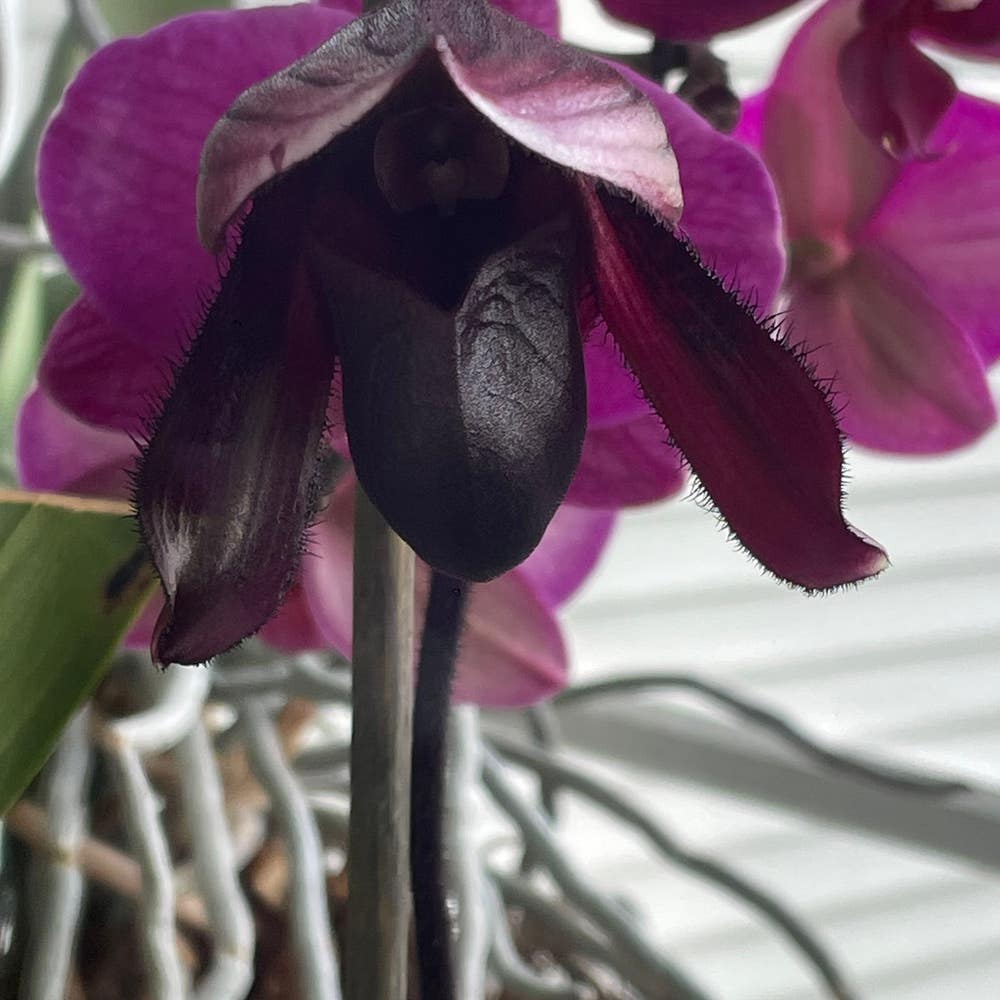
Should I Repot My Paphiopedilum 'Hawaiian Fancy'?
Paphiopedilum 'Hawaiian Fancy'
By the Greg Editorial Team
Apr 06, 2024•5 min read
This article was created with the help of AI so we can cover more plants for you. May contain errors. See one? Report it here.
Discover the secret to a flourishing 'Hawaiian Fancy' 🌺—knowing when and how to repot for peak health!
- Root crowding and media decay signal it's time to repot.
- 🌱 Repot post-bloom or with new growth for best orchid health.
- Terracotta vs. plastic pots: Choose for aeration or moisture.
Spot the Signs: When Your Orchid is Begging for a New Home
🌱 Overcrowded Roots and Degraded Media
Roots should have space to stretch out, not be crammed together like a rush-hour subway. When you spot roots poking through drainage holes or circling the pot's interior, it's a clear signal: your Paphiopedilum 'Hawaiian Fancy' needs a new abode. Media breakdown is another red flag. If your potting mix smells like last week's compost or has the consistency of overused coffee grounds, it's time for a refresh.
🚨 Visual SOS: Roots on the Run
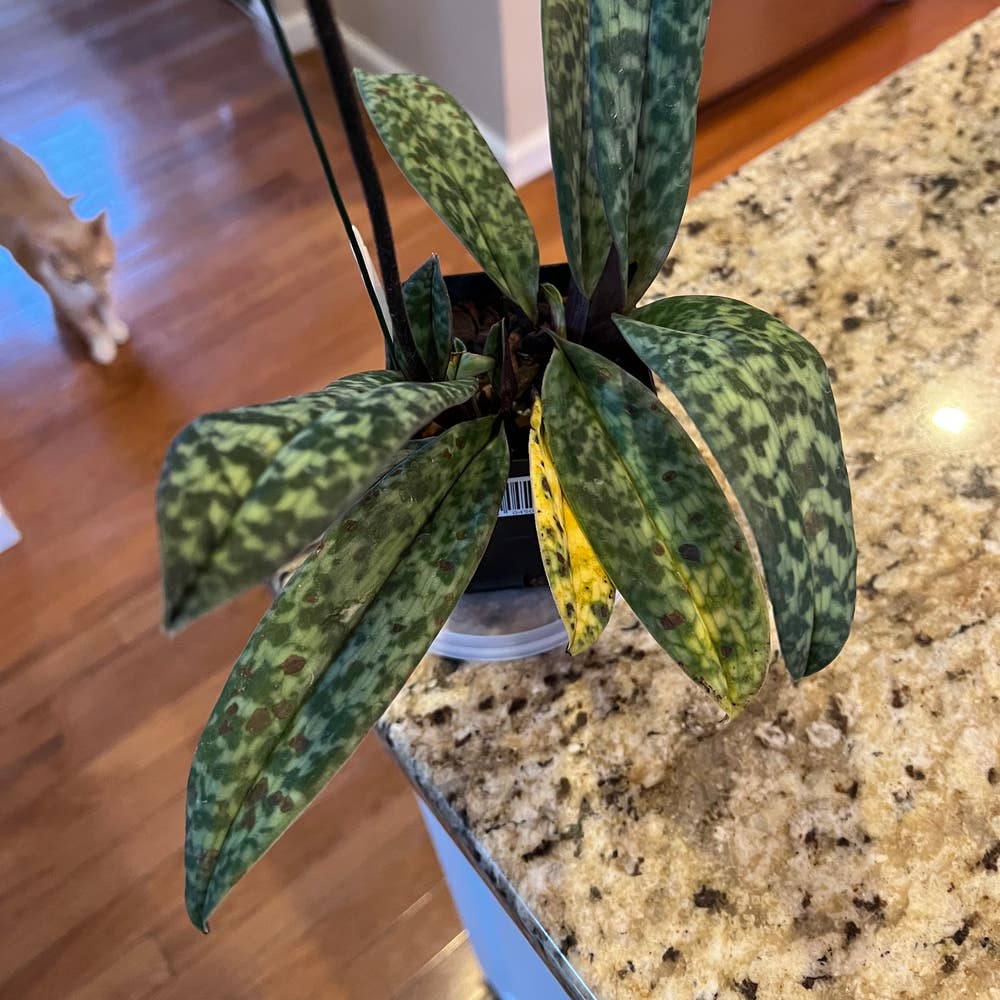
When roots start making a break for it over the pot's rim, it's not just a quirky plant behavior—it's a distress call. Yellowing leaves or a sudden halt in growth, despite your spot-on watering routine, are your orchid's way of waving a white flag. Don't wait for the plant to start wilting; these visual cues demand immediate action. It's not just about giving your orchid a change of scenery; it's about ensuring its survival and continued vibrancy.
The Repotting Rundown: A Step-by-Step Guide
Timing is Everything
⏰ Timing is Everything
Repotting your Paphiopedilum 'Hawaiian Fancy' should be timed with precision. The ideal moment is post-bloom, when the flowers have faded, or when you spot the emergence of new growth. This phase ensures the orchid is primed for recovery and growth in its new home.
Out with the Old, In with the New
Step 1: Orchid Extraction
🌱 Step 1: Orchid Extraction
Gently coax your orchid from its current pot. Be mindful of the roots, treating them with the respect they deserve. If they've bonded with the old medium, tease them free without causing damage.
Step 2: Root Inspection
🔍 Step 2: Root Inspection
Once out, it's time for a root health check. Snip away any dead or decaying parts with sterilized scissors. Healthy roots are your orchid's lifeline; they should be firm and green or white.
Step 3: Selecting the Right Pot
🏡 Step 3: Selecting the Right Pot
Choosing a new pot is like upgrading to a better apartment. Opt for one that's slightly larger—an inch in diameter should do. Make sure it has drainage holes to prevent waterlogged roots.
Step 4: Potting Medium Prep
🌱 Step 4: Potting Medium Prep
Your potting medium should be as fresh as your orchid's new start. Lightly water the medium before use, and consider sterilizing it to protect against pathogens.
Step 5: The Big Move
🚚 Step 5: The Big Move
Place a layer of the prepared medium at the bottom of the new pot. Set your orchid in the center, ensuring it sits at the same depth as before. Fill in around the roots with more medium, tapping the pot to settle the contents without compacting.
Step 6: The First Watering
💦 Step 6: The First Watering
Water thoroughly to settle your orchid into its new abode. This initial hydration is crucial for helping the roots make contact with the fresh medium and begin the acclimation process.
Picking the Perfect Pot: Material Matters
🌱 Weighing the Pros and Cons
When it comes to repotting your Paphiopedilum 'Hawaiian Fancy', the pot material is not just a decorative choice—it's a survival factor. Terracotta pots breathe with ease, wicking away excess moisture to thwart root rot. But they're thirsty, demanding more frequent watering. Plastic pots are the low-maintenance buddies, holding onto moisture like a lifeline, yet they can suffocate roots if not well-drained. Wooden baskets? They're the airy dream homes for roots craving oxygen but can leave you juggling watering schedules.
🏆 The Verdict: Best Bets for 'Hawaiian Fancy'
For the Paphiopedilum 'Hawaiian Fancy', which enjoys steady moisture without the sogginess, the pot material can make or break its growth. Plastic pots, with their moisture-retaining prowess, can be a safe bet—provided they come with ample drainage holes. Terracotta is the go-to for the forgetful waterer, offering a buffer against overwatering with its porous walls. If you're swinging for the aesthetic fences and have a vigilant eye on watering, ceramic pots can be a stylish compromise, marrying form and function. Just make sure those beauties have drainage holes to keep your 'Hawaiian Fancy' from drowning in excess water.
Aftercare: Ensuring a Smooth Transition
🌱 First Days in a New Pot
After repotting, your Paphiopedilum 'Hawaiian Fancy' is like a new tenant in an apartment—it needs time to settle in. Water it thoroughly, until water runs out of the drainage holes. This initial hydration is crucial, but after that, let the topsoil dry slightly between waterings. Overwatering can lead to root rot, so think of moisture like a good martini—enough to satisfy, not to drown.
Keep the orchid in indirect light and away from temperature extremes. This isn't the time for sunbathing or shivering; a stable environment helps the orchid adjust without stress.
🌿 Long-Term Success
For ongoing care, monitor the orchid like it's your favorite social media feed. Look for new growth as a sign of happiness. If you see wilting or discoloration, reassess your care routine—maybe it's thirstier than you thought, or perhaps it's craving a bit less light.
Resist fertilizing for at least a month post-repot. The orchid's roots are healing, and like a patient recovering from surgery, they need rest, not a workout. When you do start fertilizing again, go easy. It's a supplement, not a main course.
Temperature stability is key. Orchids aren't fans of dramatic change; they prefer the climate equivalent of a comfy sweater—consistent and cozy.
By following these tips, you'll help your Paphiopedilum 'Hawaiian Fancy' not just survive its new home, but thrive.
⚠️ Safety First
This content is for general information and may contain errors, omissions, or outdated details. It is not medical, veterinary advice, or an endorsement of therapeutic claims.
Always consult a qualified healthcare professional before using any plant as food, medicine, or supplement.
Never eat any plant (or feed one to pets) without confirming its identity with at least two trusted sources.
If you suspect poisoning, call Poison Control (800) 222-1222, the Pet Poison Helpline (800) 213-6680, or your local emergency service immediately.
Spotted an error? Please report it here.
Repot your 'Hawaiian Fancy' with confidence and watch it flourish by following these steps, while Greg ensures perfect post-potting care 🪴 with tailored reminders and tips.