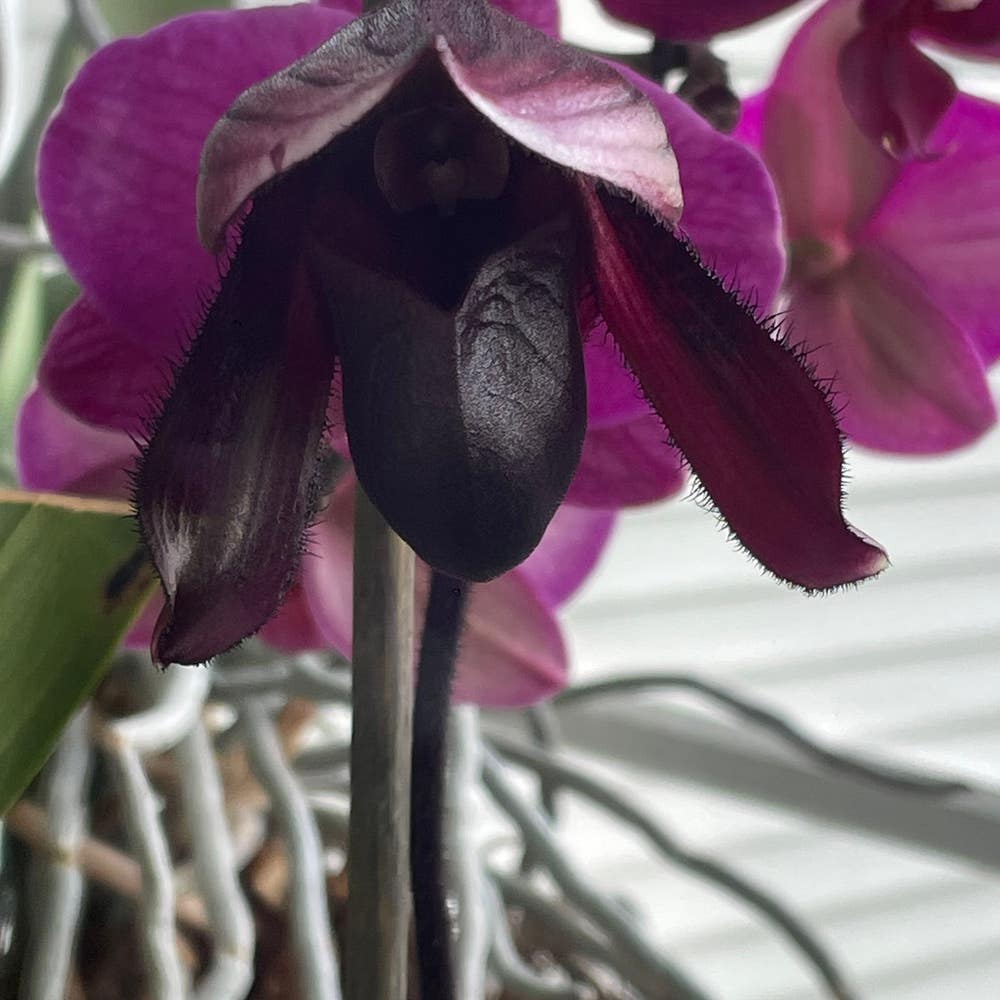
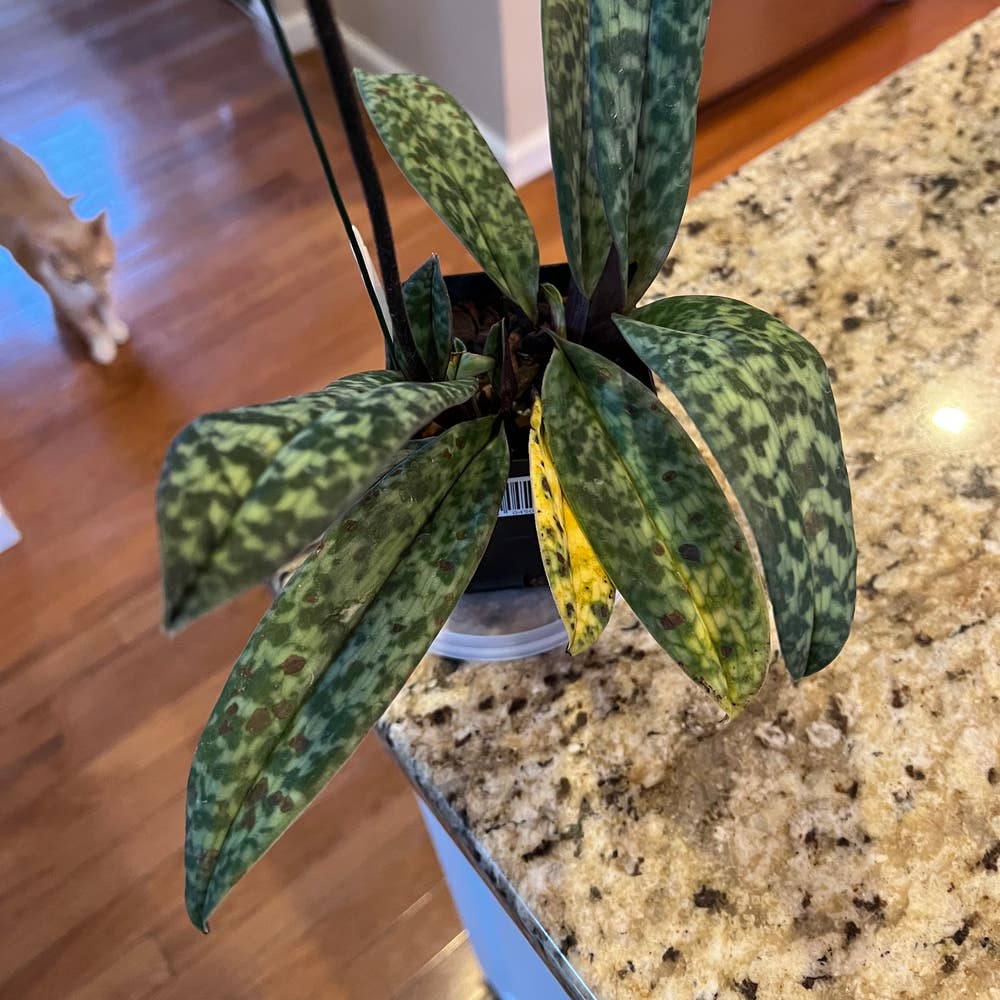
🌺 Where Can Paphiopedilum 'Hawaiian Fancy' Grow? Zones 10a-12b
Paphiopedilum 'Hawaiian Fancy'
By the Greg Editorial Team
Sep 29, 2024•4 min read
This article was created with the help of AI so we can cover more plants for you. May contain errors. See one? Report it here.
Master the temperature and humidity for thriving Paphiopedilum 'Hawaiian Fancy' orchids! 🌿
- 🌡️ Paphiopedilum 'Hawaiian Fancy' thrives in Zones 10a-12b, ideal for warm climates.
- ❄️ Protect from frost; damage shows as browning leaves and wilted flowers.
- 💧 High humidity and well-draining soil are crucial for healthy growth.
Temperature Tolerance
❄️ Cold Tolerance Specifics
Paphiopedilum 'Hawaiian Fancy' thrives in warmer climates but has specific cold tolerance limits. It is frost-sensitive and should be protected when temperatures drop below 50°F (10°C).
Frost can severely impact growth and flowering. Look for signs of frost damage, such as browning leaves and wilted flowers. Monitoring first and last frost dates is crucial for successful cultivation.
🔥 Heat Tolerance Specifics
On the warmer end, Paphiopedilum 'Hawaiian Fancy' prefers temperatures between 70°F and 85°F (21°C to 29°C). Signs of heat stress include wilting and leaf burn, which indicate that the plant is struggling.
Humidity plays a vital role in high temperatures. Maintaining adequate humidity levels is essential for optimal growth and overall plant health.
Ideal Growing Regions
🌿 Examples of US States Suitable for Growth
California stands out as a prime location for Paphiopedilum 'Hawaiian Fancy.' The coastal regions offer mild temperatures and high humidity, creating an ideal environment for these orchids.
Florida is another excellent choice, boasting a warm climate with consistent humidity. This tropical-like setting supports the thriving growth of Paphiopedilum.
Hawaii, of course, is the ultimate paradise for these orchids. The tropical conditions are perfectly suited for their growth, making it a natural habitat.
🌞 Factors Contributing to Ideal Conditions
Several factors contribute to the ideal growing conditions for Paphiopedilum 'Hawaiian Fancy.' Warm temperatures and high humidity are crucial for their health and vitality.
Soil and drainage preferences also play a significant role. These orchids thrive in well-draining, organic-rich soil that mimics their natural habitat.
Light conditions are equally important. Indirect sunlight is best, as it replicates the dappled light they would receive in the wild.
Understanding these factors can help you create the perfect environment for your Paphiopedilum. By choosing the right location and conditions, you can ensure these beautiful orchids flourish.
As we explore further, let’s delve into the concept of microclimates and how they can extend the growing range for these stunning plants.
Microclimates
🌦️ Definition and Significance of Microclimates
Microclimates are localized variations in climate that can significantly differ from the surrounding area. Factors such as elevation, nearby structures, and vegetation can create these unique environments, making them crucial for growing sensitive plants like Paphiopedilum 'Hawaiian Fancy'.
Understanding microclimates helps gardeners optimize their growing conditions. For instance, a small garden nook may be warmer and more humid than the rest of the yard, providing a perfect sanctuary for your orchids.
🌱 How Microclimates Can Extend Growing Range
Microclimates can dramatically enhance the growing potential for Paphiopedilum 'Hawaiian Fancy'. Protected areas near buildings or walls can shield these plants from harsh winds and cold snaps, creating a more stable environment.
Shaded spots often retain higher humidity levels, which is essential for the health of these orchids. Utilizing these microclimates can lead to thriving plants and more abundant blooms.
To make the most of microclimates, consider these strategies:
- Identify sheltered areas: Look for spots that are naturally protected from wind and extreme temperatures.
- Enhance humidity: Use mulch or water features nearby to increase moisture levels.
- Monitor light exposure: Ensure that your plants receive indirect sunlight, mimicking their natural habitat.
By leveraging microclimates, you can create an ideal environment for your Paphiopedilum 'Hawaiian Fancy', extending its growing range and enhancing its beauty.
Next, we’ll explore the state-level suitability for growing this stunning orchid, focusing on which regions are best suited for its needs.
State-Level Suitability
List of States in Zones 10a-12b 🌴
Paphiopedilum 'Hawaiian Fancy' thrives in specific regions, particularly in Zones 10a to 12b. Here are the states where this orchid can flourish:
- California: Coastal areas provide mild temperatures and high humidity, perfect for growth.
- Florida: Known for its warm climate and consistent humidity, Florida is an ideal habitat.
- Texas: Certain regions offer suitable conditions, especially in the southern parts.
- Hawaii: With its tropical climate, Hawaii is a natural home for this orchid.
- Louisiana: The warm, humid environment supports healthy growth.
List of States Outside Suitable Zones and Reasons Why 🚫
Not all states are conducive to growing Paphiopedilum 'Hawaiian Fancy'. Here’s a look at some regions where this orchid struggles:
Northern States (e.g., Minnesota, North Dakota): Cold winters and frost risks make these areas unsuitable.
Mountainous Regions (e.g., Colorado): Temperature fluctuations and frost at higher elevations hinder growth.
Northeast States (e.g., Maine, Vermont): Short growing seasons and frequent frost events limit the orchid's viability.
Understanding these zones helps you choose the right location for your Paphiopedilum 'Hawaiian Fancy'. With the right conditions, you can enjoy the beauty of this unique orchid in your garden. Next, let’s explore how microclimates can further enhance your growing experience.
⚠️ Safety First
This content is for general information and may contain errors, omissions, or outdated details. It is not medical, veterinary advice, or an endorsement of therapeutic claims.
Always consult a qualified healthcare professional before using any plant as food, medicine, or supplement.
Never eat any plant (or feed one to pets) without confirming its identity with at least two trusted sources.
If you suspect poisoning, call Poison Control (800) 222-1222, the Pet Poison Helpline (800) 213-6680, or your local emergency service immediately.
Spotted an error? Please report it here.
Grow your Paphiopedilum 'Hawaiian Fancy' flourishingly 🌿 by using Greg's tailored care reminders to maintain the perfect warmth and humidity it craves!