How to Prune Paphiopedilum 'Hawaiian Fancy'
Paphiopedilum 'Hawaiian Fancy'
By the Greg Editorial Team
Apr 06, 2024•3 min read
This article was created with the help of AI so we can cover more plants for you. May contain errors. See one? Report it here.
Transform your orchid into a blooming masterpiece 🌸 with expert pruning tips for perfect Paphiopedilum 'Hawaiian Fancy' care.
- 🌱 Spring/summer prime for pruning to encourage healthy Paphiopedilum 'Hawaiian Fancy'.
- ✂️ Deadhead and trim yellow leaves for more blooms and healthier growth.
- 🧼 Sterilize tools before/after use to prevent disease spread.
When to Wield the Shears
🌸 Identifying the Right Time
Spring and early summer are your prime pruning seasons for Paphiopedilum 'Hawaiian Fancy'. This timing is in sync with the orchid's natural growth cycle, setting the stage for a robust and healthy development. Pruning during the plant's dormant phase is like interrupting a bear's hibernation – just don't.
🚩 Signs It's Time to Prune
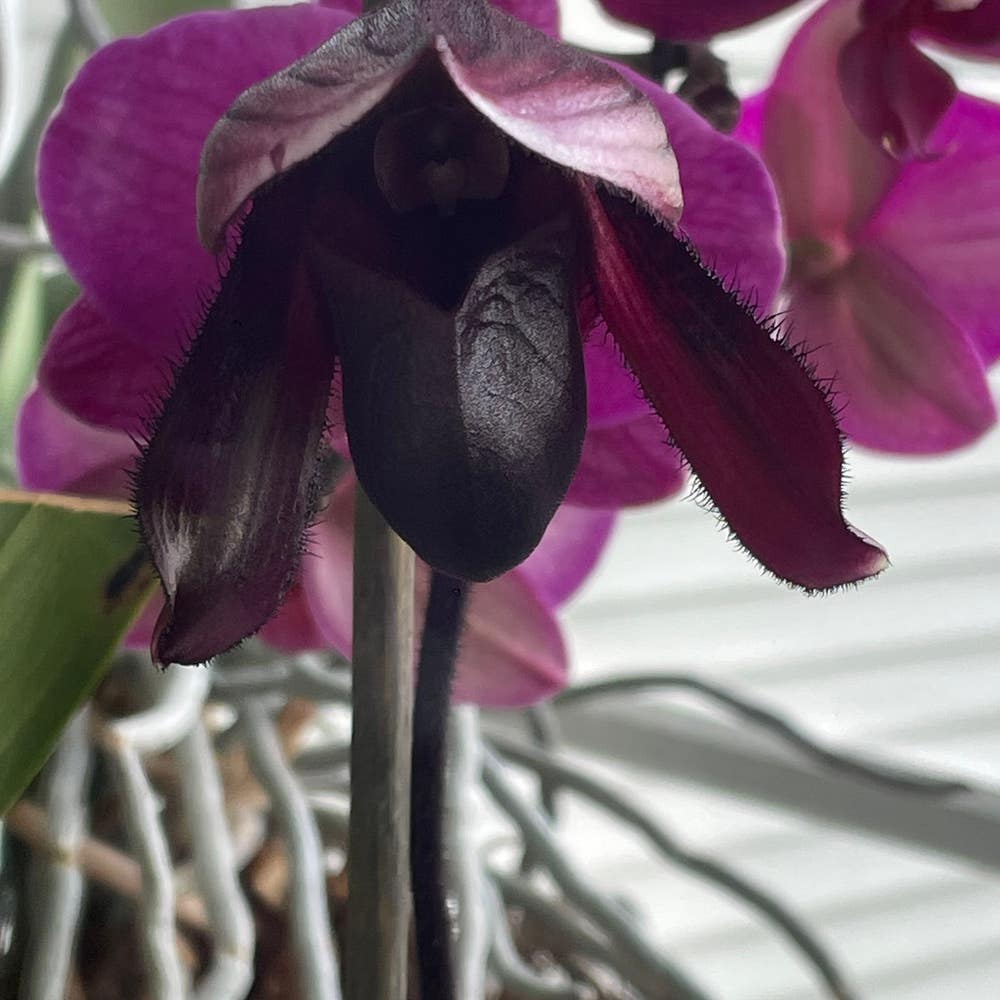
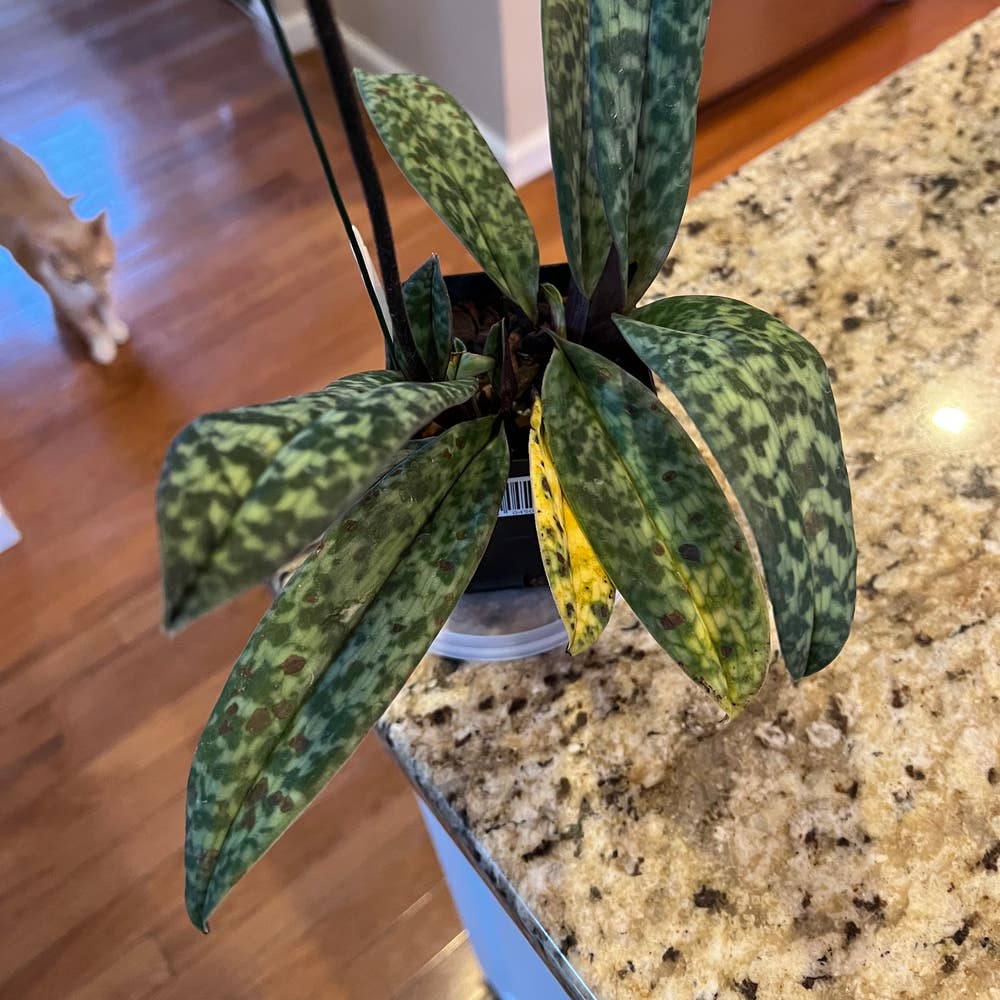
Keep a sharp eye out for spent blooms and yellowing leaves; these are your orchid's subtle hints that it's time for a trim. If you notice your plant's leaves turning the color of overripe bananas, it's a distress signal. And when the flowers start looking more pitiful than picturesque, it's a clear sign they're ready for a snip. Remember, a clean cut not only looks better but also helps the plant heal faster.
The Pruner's Toolkit
🛠️ Choosing Your Tools
In the quest for pristine Paphiopedilum 'Hawaiian Fancy', the right tools aren't just helpful—they're essential. Pruning shears are the MVP, ensuring you can make precise cuts without mangling your beloved orchid. For the tinier tasks, a pair of sharp scissors steps up to the plate, ideal for snipping slender stems and leaves. Remember, it's not just about the cut—it's about the cutter.
🧼 Keeping It Clean
Sterilization isn't glamorous, but it's the unsung hero in your pruning toolkit. Before you dive into snipping, give those shears a good rub-down with isopropyl alcohol or a bleach solution. Think of it as a flu shot for your plant—preventing microbial mutiny one swipe at a time. Post-pruning, don't slack off; clean your tools as if your orchid's life depends on it—because it does. And when it comes to storage, keep it dry. Rust is like that one guest who overstays their welcome, so don't give it a chance to settle in.
Step-by-Step Pruning Guide
💐 Deadheading for More Blooms
Deadheading: the unsung hero of bloom boosting. Snip off those spent flowers at their base to stop your Paphiopedilum 'Hawaiian Fancy' from wasting energy on seed production. Be precise, avoid harming the shy buds waiting their turn to shine.
🍃 Leafing Out the Old
Yellow leaves? Trim them. They're not just an eyesore; they're a beacon for disease. Get close to the main stem with your shears and show them the exit. Your orchid will thank you with healthier, greener growth.
🌱 Rooting Out Trouble
Overgrown roots can be a silent killer. If they're spilling out of the pot, it's time for a trim. Be bold, but not reckless. Cut back the excess to maintain a root system that's Goldilocks-approved: not too little, not too much, just right.
Pruning for Perfection
🌿 Sculpting for Show
Pruning Paphiopedilum 'Hawaiian Fancy' is less about snipping willy-nilly and more about strategic shaping. Visualize the plant's ideal silhouette, then carefully remove any growth that deviates from this form. It's about enhancing the orchid's inherent beauty, ensuring each leaf and stem contributes to a harmonious whole.
🌱 Compact Beauty
To foster a denser growth pattern, focus on judicious trimming. Pinch back new growth to encourage branching, which results in a fuller plant. Remember, it's not a race to the shortest stem; it's about cultivating a lush, compact display that captures the eye and holds it captive.
⚠️ Safety First
This content is for general information and may contain errors, omissions, or outdated details. It is not medical, veterinary advice, or an endorsement of therapeutic claims.
Always consult a qualified healthcare professional before using any plant as food, medicine, or supplement.
Never eat any plant (or feed one to pets) without confirming its identity with at least two trusted sources.
If you suspect poisoning, call Poison Control (800) 222-1222, the Pet Poison Helpline (800) 213-6680, or your local emergency service immediately.
Spotted an error? Please report it here.
Prune your Paphiopedilum 'Hawaiian Fancy' to perfection this season with Greg's tailored care reminders 🌿, ensuring a vibrant and healthy display!