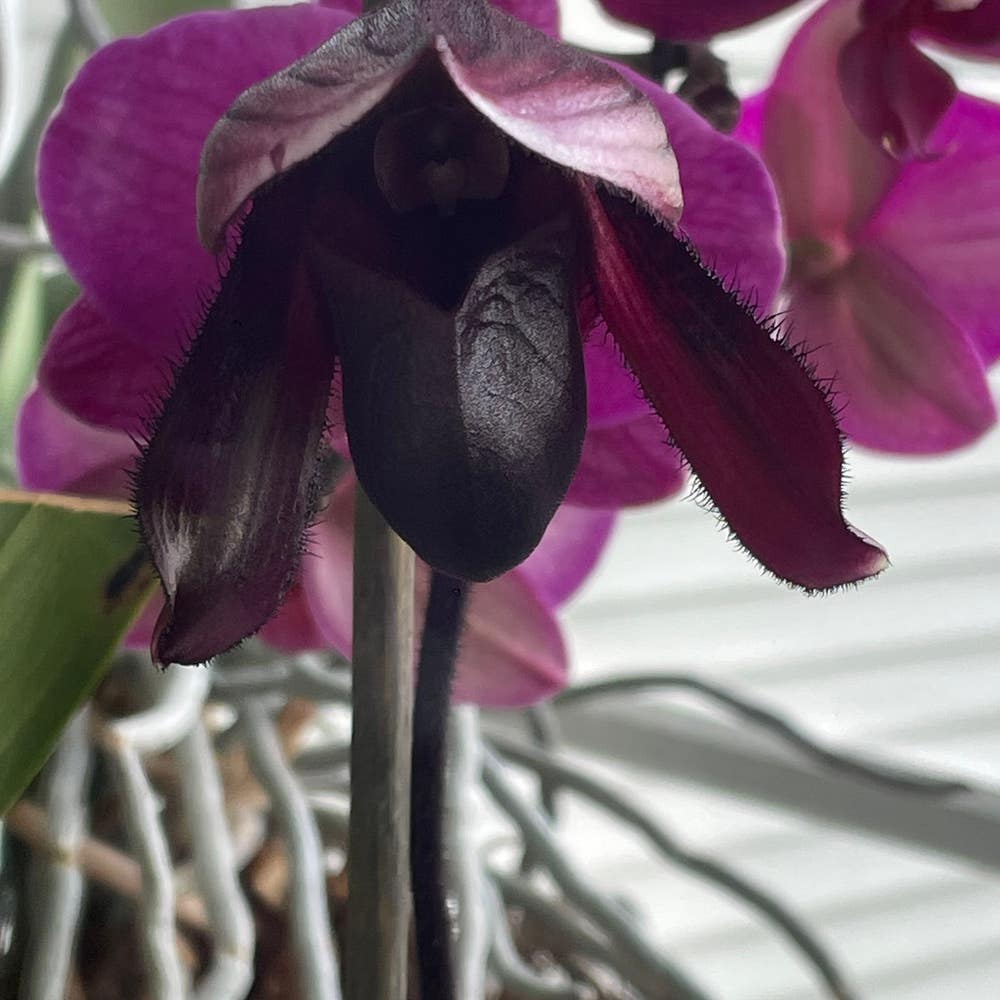
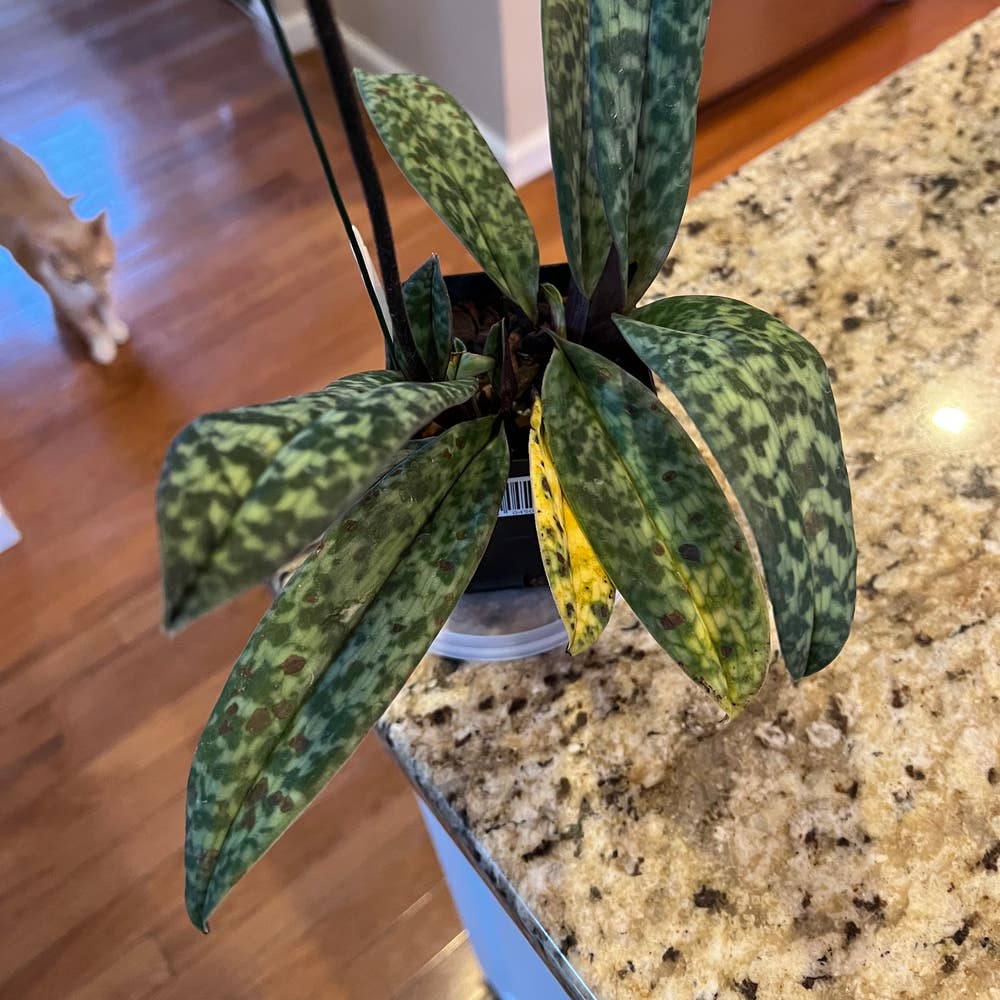
🌺 3 Factors Affecting Paphiopedilum 'Hawaiian Fancy' Flowering
Paphiopedilum 'Hawaiian Fancy'
By the Greg Editorial Team
Sep 29, 2024•3 min read
This article was created with the help of AI so we can cover more plants for you. May contain errors. See one? Report it here.
Revive your Paphiopedilum 'Hawaiian Fancy' 🌺 by tackling common flowering issues for stunning blooms!
- 🌞 Light, nutrition, and environment are crucial for Paphiopedilum 'Hawaiian Fancy' blooming.
- 🌡️ Stable temperature and humidity reduce stress, promoting healthier flowers.
- 🌱 Balanced fertilization is essential to prevent nutritional deficiencies affecting flowering.
Common Flowering Problems
🌸 Failure to Bloom
Potential Causes
Paphiopedilum 'Hawaiian Fancy' can sometimes be a bit stubborn when it comes to blooming. The most common culprits include light issues, nutritional deficiencies, and environmental stress.
- Light: Both insufficient and excessive light can disrupt the bloom cycle.
- Nutrition: Poor fertilization practices can lead to nutrient deficiencies that hinder flowering.
- Environmental Stress: Fluctuations in temperature and humidity can stress the plant, affecting its ability to bloom.
Solutions and Adjustments to Encourage Blooming
To encourage your Paphiopedilum to bloom, consider these adjustments:
- Adjust Light Exposure: Ensure your plant receives the recommended light levels.
- Implement a Balanced Fertilization Schedule: Regular feeding with a balanced fertilizer can make a significant difference.
- Maintain Stable Temperature and Humidity Conditions: Aim for consistent conditions to reduce stress on the plant.
🌼 Premature Flower Drop
Factors Leading to Bud Drop
Premature flower drop can be disheartening. Understanding the factors that lead to this issue is crucial.
- Environmental Conditions: Sudden temperature changes or low humidity can cause buds to drop.
- Nutritional Imbalances: Over-fertilization can stress the plant, leading to bud drop.
Environmental Conditions Affecting Flower Retention
Maintaining the right environment is key to keeping those blooms intact:
- Ideal Humidity Levels: Aim for 50-70% humidity for optimal flower retention.
- Temperature Stability: Avoid drastic temperature changes during blooming to ensure flowers stay put.
Remedies to Prevent Premature Drop
To prevent your flowers from dropping prematurely, try these remedies:
- Monitor and Adjust Humidity Levels: Use a humidifier or pebble trays to maintain humidity.
- Ensure Consistent Temperature: Keep your plant away from drafts and heat sources.
🌺 Abnormal Flower Development
Causes of Deformities in Flowers
Sometimes, flowers may develop abnormally. This can stem from various factors.
- Genetic Factors: Variability in flower shape and color can occur naturally.
- Environmental Stress: Inconsistent care can lead to deformities in flower development.
Environmental and Care-Related Factors
Several care-related factors can impact flower quality:
- Light and Nutrition Imbalances: These can significantly affect flower morphology.
- Impact of Pests or Diseases: Regular inspections are essential to catch any issues early.
Solutions to Promote Healthy Flower Growth
To promote healthy flower growth, consider these solutions:
- Ensure Proper Light and Nutrition: Tailor your care to meet the specific needs of Paphiopedilum.
- Regularly Inspect for Pests and Diseases: Address any issues promptly to maintain flower quality.
By understanding these common flowering problems and their solutions, you can enjoy a thriving Paphiopedilum 'Hawaiian Fancy' that blooms beautifully. Next, let’s explore how to create the ideal environment for your orchid to flourish.
⚠️ Safety First
This content is for general information and may contain errors, omissions, or outdated details. It is not medical, veterinary advice, or an endorsement of therapeutic claims.
Always consult a qualified healthcare professional before using any plant as food, medicine, or supplement.
Never eat any plant (or feed one to pets) without confirming its identity with at least two trusted sources.
If you suspect poisoning, call Poison Control (800) 222-1222, the Pet Poison Helpline (800) 213-6680, or your local emergency service immediately.
Spotted an error? Please report it here.
Unlock stunning blooms for your Paphiopedilum 'Hawaiian Fancy' 🌸 by using Greg's tailored care reminders to master light, nutrition, and environmental stability for thriving orchids!