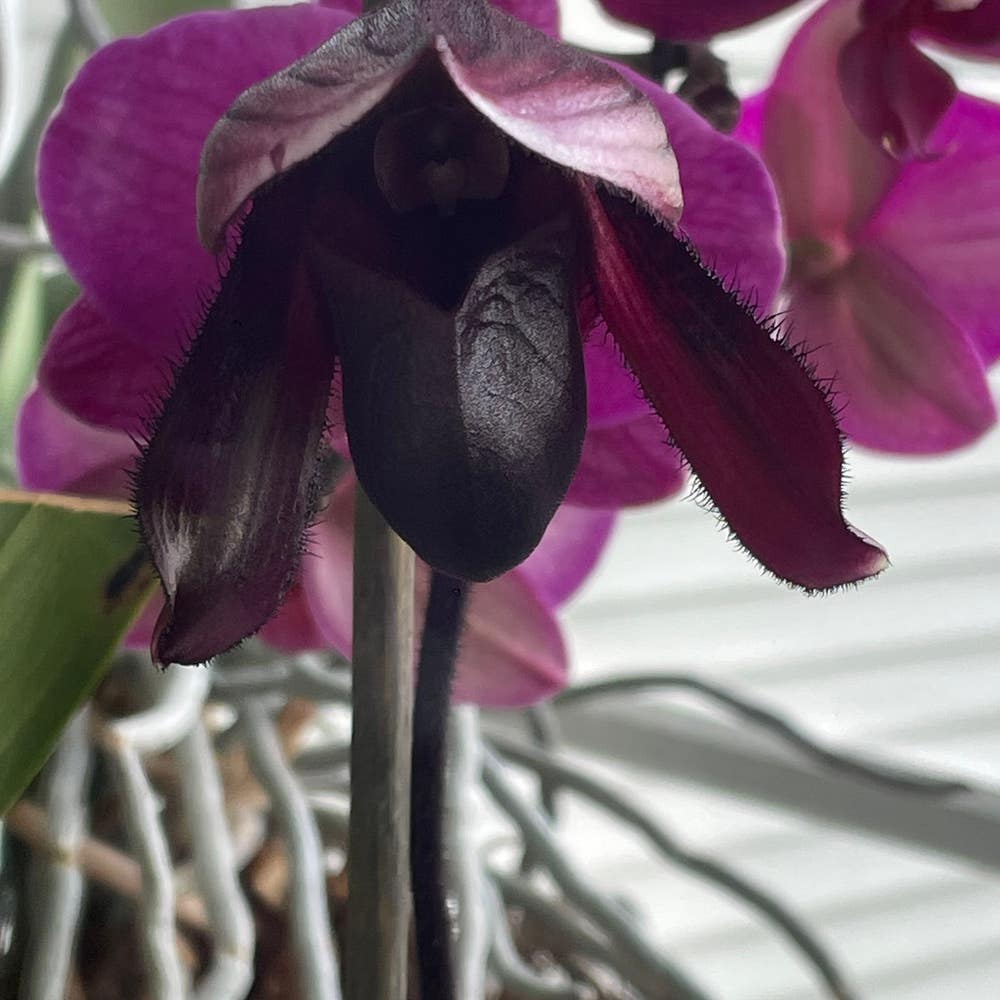
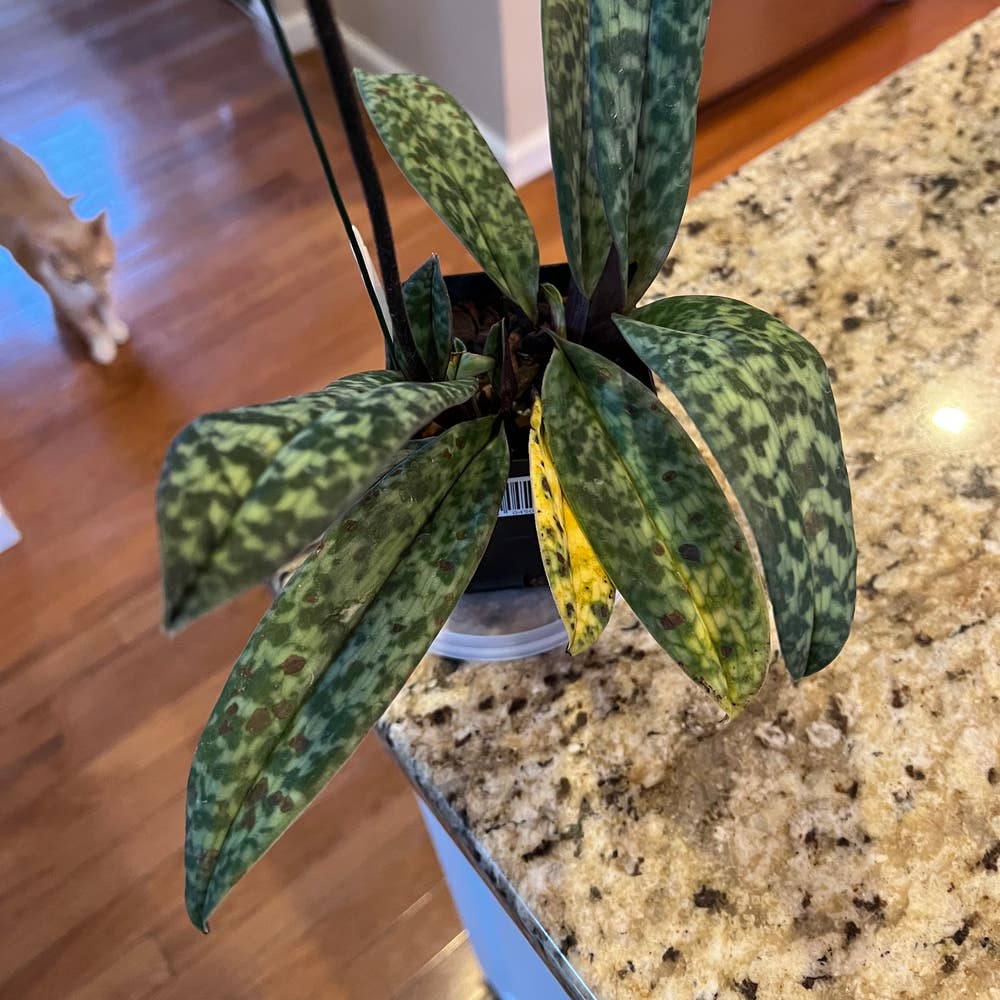
🐛 What Are The Bugs on My Paphiopedilum 'Hawaiian Fancy'?
Paphiopedilum 'Hawaiian Fancy'
By the Greg Editorial Team
Apr 06, 2024•3 min read
This article was created with the help of AI so we can cover more plants for you. May contain errors. See one? Report it here.
Defend your 'Hawaiian Fancy' 🌺 from bug invasions with expert tips for early detection and swift action!
- 🕷️ Spider mites leave webs and speckles; use neem oil or insecticidal soap.
- Scale appears as waxy bumps; scrape off or apply horticultural oil.
- Regular inspections prevent pest damage, ensuring a healthy Paphiopedilum 'Hawaiian Fancy'.
Spot the Invaders: Identifying Common Pests
🕷️ Spider Mites: The Sneaky Sap-Suckers
Tiny webs beneath leaves and a speckled look on your Paphiopedilum 'Hawaiian Fancy'? Spider mites are likely the villains. Blast them with water or bring out the big guns—neem oil or insecticidal soap.
Keep your orchid's air humid and those mites will think twice before making your plant their home. Regular misting is your ally here.
🦠 Scale: The Sticky Freeloaders
Notice some waxy bumps on stems or leaves? You've got scale. These guys are like the freeloaders who never leave the party. Scrape them off or use horticultural oil to show them the door.
Regular check-ups are your best defense. Catch these pests early and you can keep your orchid in the clear.
🦟 Fungus Gnats and Fruit Flies: The Fuzzy Flyers
If you spot tiny flies or notice larvae in the soil, say hello to fungus gnats or fruit flies. Sticky traps and beneficial nematodes are your go-to for these fuzzy flyers.
Overwatering is like a welcome mat for these pests. Keep the soil dry to avoid uninvited guests.
🐛 Mealybugs: The Fluffy Fiends
White cottony clusters? Mealybugs are crashing your orchid's party. Rubbing alcohol is your first line of defense—dab it on and watch them disappear.
Stay vigilant with routine inspections. Catching these pests early means less hassle later.
Other Unwanted Guests
Aphids and thrips might show up unannounced too. If you spot them, it's squashing time. For these and other less common pests, orchid-friendly solutions are your best bet. Keep it safe for your plant, but tough on the bugs.
When Your Orchid Talks: Signs of Distress
🍃 Reading the Leaves: The Visual SOS
Leaves don't lie. Discoloration and drooping are your Paphiopedilum 'Hawaiian Fancy' waving a red flag. Yellow leaves? Think of it as the orchid's version of a sick day. Brown spots or a general droopiness? That's an orchid's cry for help.
🐜 From Healthy to Infested: The Telltale Shift
A healthy orchid sports firm, evenly green leaves. When they start to look wilted or develop odd spots, it's not just an aesthetic issue—it's a distress signal. Keep an eye out for texture changes or leaves that resemble deflated balloons. These are your cues to spring into action.
🌱 The Root of the Issue
Roots should be firm and green, a sign of good hydration. If they're white, brown, or shriveled, your orchid is basically holding up a sign that says, "Water me, please!" Conversely, if the roots crumble like a dry cookie, it's a red alert for root rot.
☀️ Sunburn and Temperature Trauma
Orchids are drama queens when it comes to their tan. Discoloration or damaged spots? Your plant might be auditioning for the role of 'sunburnt tourist'. Keep an eye on leaf and root texture; it's a reliable indicator of thermal stress.
🐛 The Unseen Culprits: Pests and Disease
Not all distress signals are about care routines. If you spot powdery mildew or black spots, it's time to deal with fungal gatecrashers. And remember, pests are sneaky; they're like unwanted party guests who refuse to leave. Stay vigilant.
🌿 The Bottom Line: Know Your Orchid
Understanding your orchid's baseline can help you spot when things go awry. A leaf's occasional droop might be its chill vibe, but a full-on slump is a cry for help. Learn to differentiate between your orchid's personality and its plea for assistance.
⚠️ Safety First
This content is for general information and may contain errors, omissions, or outdated details. It is not medical, veterinary advice, or an endorsement of therapeutic claims.
Always consult a qualified healthcare professional before using any plant as food, medicine, or supplement.
Never eat any plant (or feed one to pets) without confirming its identity with at least two trusted sources.
If you suspect poisoning, call Poison Control (800) 222-1222, the Pet Poison Helpline (800) 213-6680, or your local emergency service immediately.
Spotted an error? Please report it here.
Eradicate pests and ensure your Paphiopedilum 'Hawaiian Fancy' remains resilient 🛡️ with Greg's tailored care reminders and expert community advice.