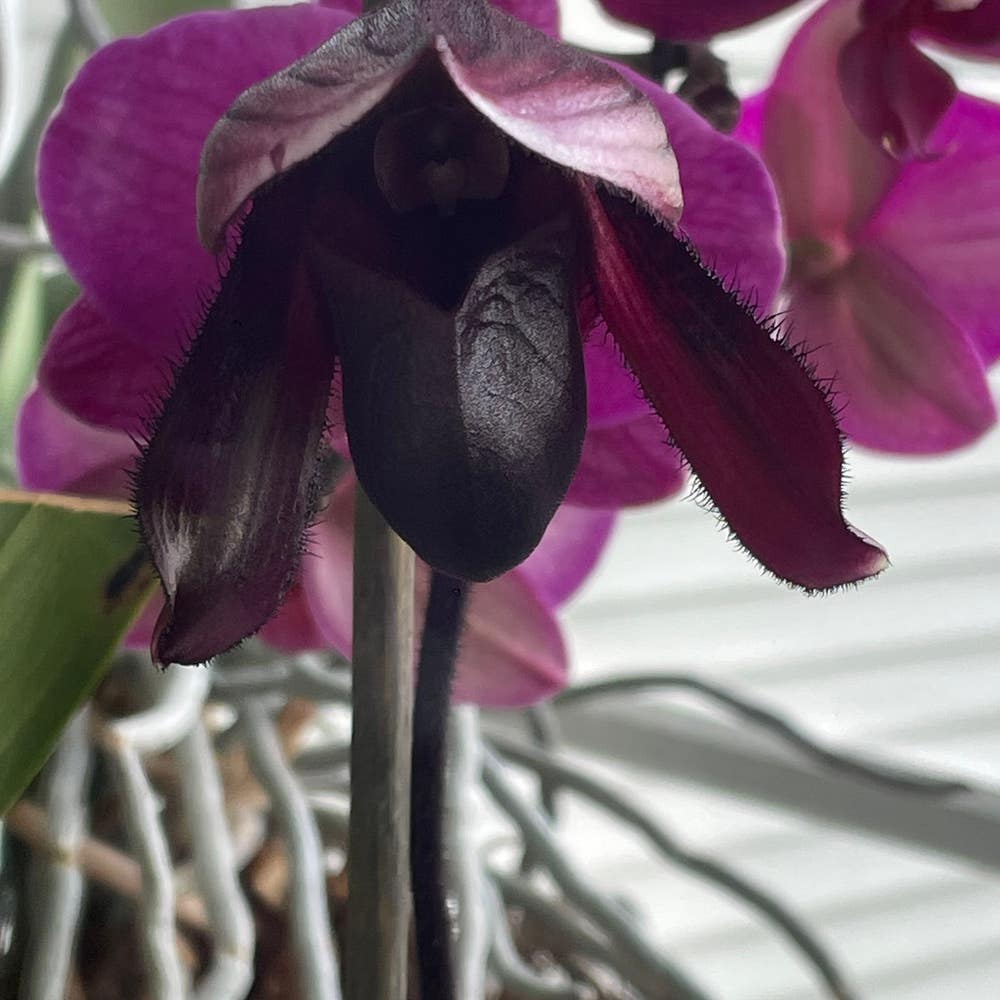
🌸 How Often Should I Water My Paphiopedilum 'Hawaiian Fancy'?
Paphiopedilum 'Hawaiian Fancy'
By the Greg Editorial Team
Apr 06, 2024•4 min read
This article was created with the help of AI so we can cover more plants for you. May contain errors. See one? Report it here.
Nurture your 'Hawaiian Fancy' 🌺 to perfection by mastering its unique watering needs—no more over or underwatering woes!
- Probe medium for dryness to determine watering needs.
- Seasons and environment dictate watering frequency.
- Use quality water, avoid over/underwatering for orchid health.
When Thirst Strikes: Watering Frequency Essentials
💧 Assessing Your Orchid's Thirst
To check if your Paphiopedilum 'Hawaiian Fancy' is parched, probe the potting medium. If the top inch feels like a dry debate club, it's time to water. But if it's moist, give it a breather. Overzealous watering is a one-way ticket to root rot.
🌦 Seasonal Sips: Adapting to the Time of Year
Your orchid's watering needs shift with the seasons. In the summer, it's like a tourist in the desert—thirsty. Come winter, it's more like a bear in hibernation—less thirsty. Adjust your watering frequency accordingly, and watch for signs that you're hitting the mark or missing it.
🏡 Home Sweet Home: Environmental Influences
Your living room isn't just for Netflix binges; it's a climate zone for your orchid. High temperatures or low humidity mean more frequent watering. Cooler, humid conditions call for restraint. Air flow's also a player—good circulation can help the medium dry out more evenly, so keep that in mind when you reach for the watering can.
The Perfect Pour: Watering Techniques and Tips
💧 Quality Over Quantity
Water quality is non-negotiable for your Paphiopedilum 'Hawaiian Fancy'. Tap water can be an orchid's nemesis due to minerals and chlorine. Let it sit for 24 hours or use distilled, rain, or reverse osmosis water for a pure hydration experience. Measure the amount of water to avoid root suffocation; your orchid's life depends on it.
⏰ Timing is Everything
Watering at the right time is as crucial as the quality. Early morning is prime time, allowing leaves to dry before nightfall and reducing disease risk. Follow the golden rule: let the potting medium dry out between waterings. This isn't just a suggestion; it's the commandment for orchid survival.
Spotting Trouble: Signs of Over and Underwatering
🚨 SOS Signals from Your Orchid
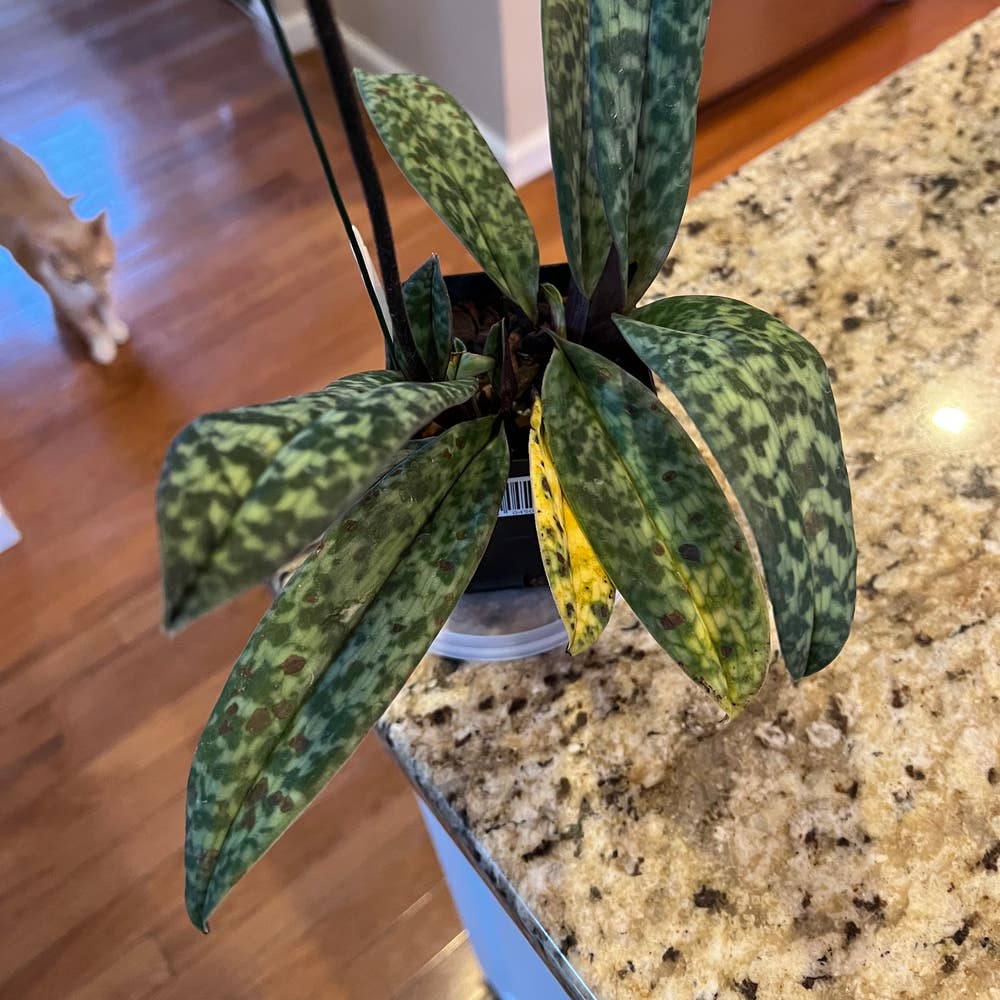
Yellow leaves can be the first red flag; your orchid might be getting too much love in the liquid form. If the leaves are more limp than a forgotten salad and the potting medium feels like a wetland, it's time to ease up on the watering. Root rot could be knocking at the door, and it's not a guest you want to entertain.
Conversely, if the pot feels as light as your wallet on a bad day, and the leaves are crisper than autumn leaves, your orchid is sending an SOS for hydration. Underwatering will have your plant's leaves drooping like the morale at a rained-out parade.
Course Correction
Caught overwatering? Stop the deluge and let the medium dry out. If the roots have turned into a mushy mess, consider repotting into a fresh, airy mix. Terracotta pots are your ally here, helping to wick away excess moisture like a good blotting paper.
For the underwatered victims, introduce a more generous watering routine, but don't turn your orchid into a swimming champion. Consistency is key—water thoroughly, then let the medium approach dryness before the next session. Think of it as a steady coffee drip for your plant's soul.
The Right Stuff: Potting Medium and Containers
🌱 Choosing Your Orchid's Bed
Selecting the right potting medium is crucial for your Paphiopedilum 'Hawaiian Fancy'. Think of it as choosing a mattress for yourself—comfort is key. A coarse, well-draining mix, such as high-quality bark, allows your orchid to breathe and prevents root rot. Steer clear of generic fertilized mixes; they're not the gourmet diet your orchid craves.
🚰 Drainage Drama
Proper drainage is non-negotiable. Your orchid's roots despise being soggy, so ensure the pot has ample drainage holes. Material matters too; clay pots are breathable, while plastic retains moisture. Size is also critical—too big, and your orchid gets lazy; too small, and it's stressed. Aim for the Goldilocks zone—just right. Remember, a thriving orchid is all about happy roots.
⚠️ Safety First
This content is for general information and may contain errors, omissions, or outdated details. It is not medical, veterinary advice, or an endorsement of therapeutic claims.
Always consult a qualified healthcare professional before using any plant as food, medicine, or supplement.
Never eat any plant (or feed one to pets) without confirming its identity with at least two trusted sources.
If you suspect poisoning, call Poison Control (800) 222-1222, the Pet Poison Helpline (800) 213-6680, or your local emergency service immediately.
Spotted an error? Please report it here.
Keep your 'Hawaiian Fancy' flourishing 🌺 with Greg's personalized reminders that consider your orchid's and environment's specific needs for optimal watering.