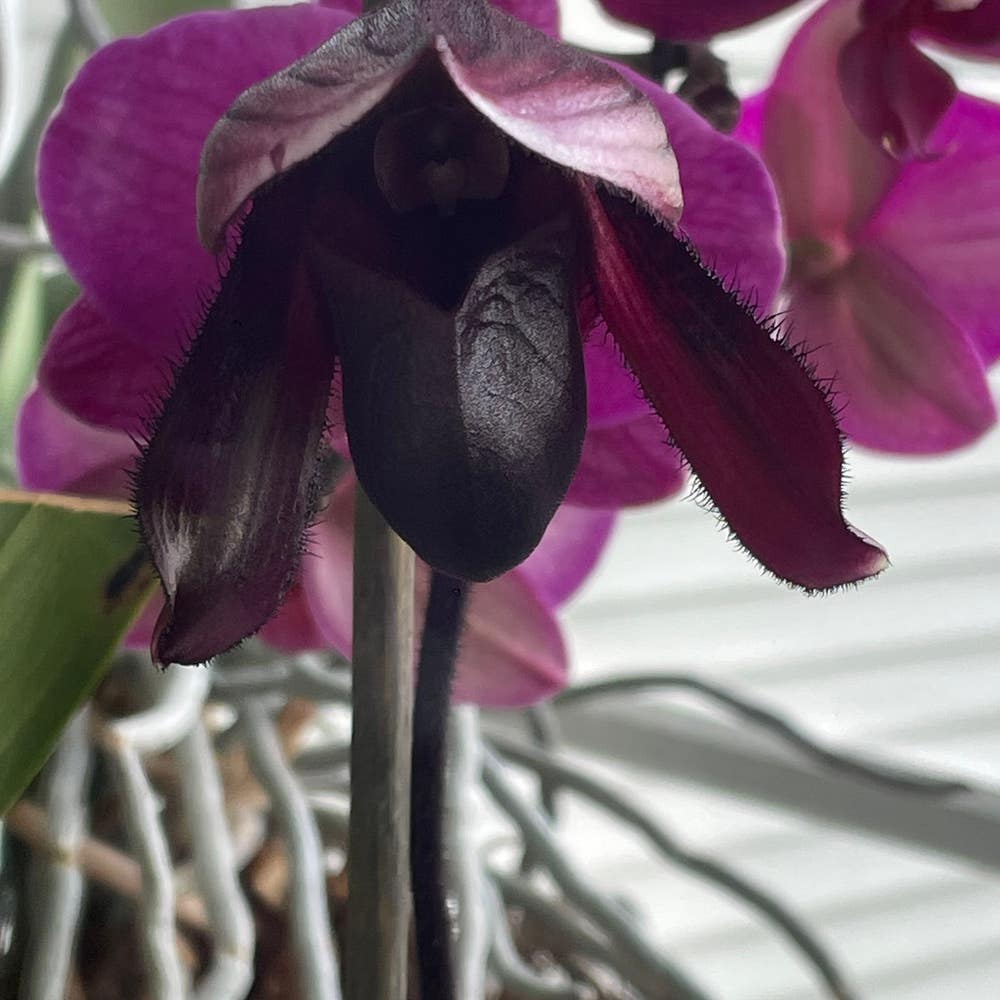
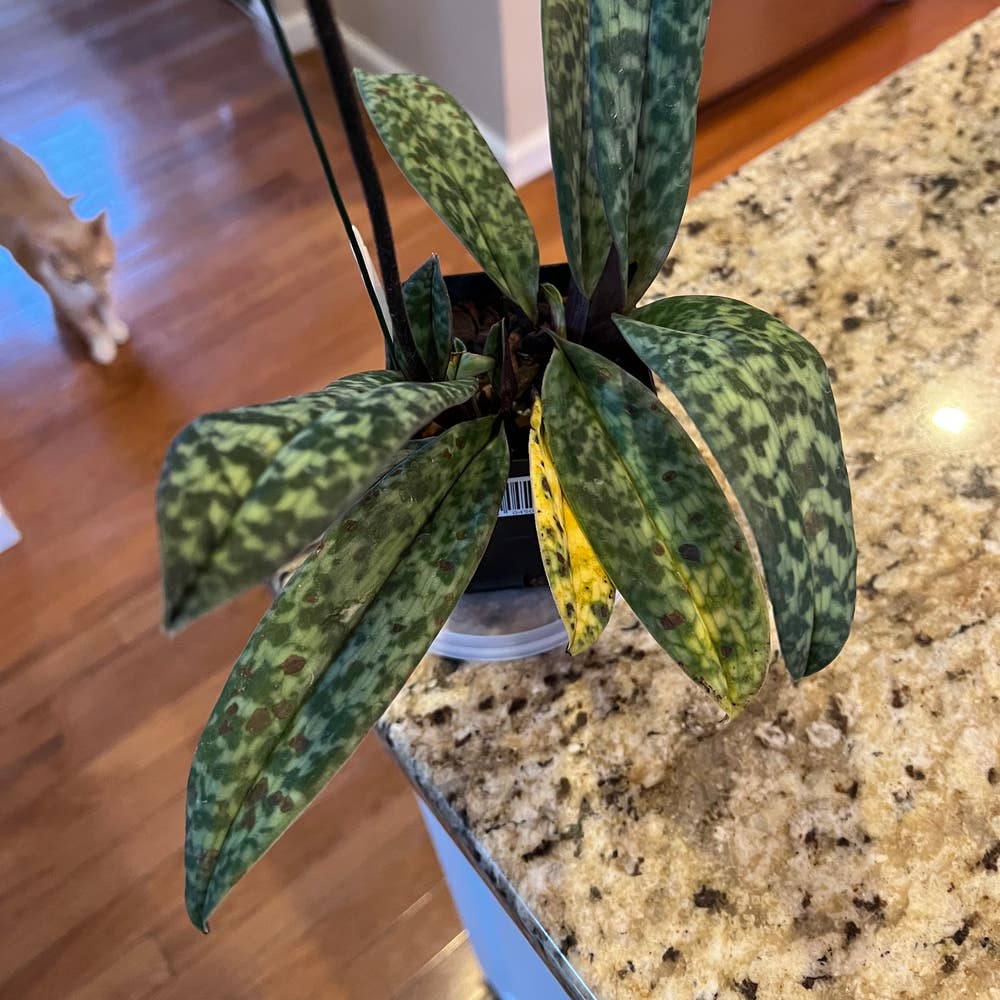
Paphiopedilum 'Hawaiian Fancy' Temperature
Paphiopedilum 'Hawaiian Fancy'
By the Greg Editorial Team
Apr 06, 2024•3 min read
This article was created with the help of AI so we can cover more plants for you. May contain errors. See one? Report it here.
Ensure your 'Hawaiian Fancy' thrives with the right temps for lush blooms. 🌡️🌸
- Day 70-80°F, Night 55-65°F - Ideal temperature range for 'Hawaiian Fancy'.
- Consistency is crucial for orchid health; avoid heaters, ACs, and drafts.
- Warm days encourage blooms, but above 85°F may wilt them prematurely.
Dialing in the Perfect Temperature
🌡️ What's the Sweet Spot?
The optimal temperature range for Paphiopedilum 'Hawaiian Fancy' during the day is between 70°F to 80°F (21°C to 27°C). When the sun goes down, these orchids prefer it cooler, ideally between 55°F to 65°F (13°C to 18°C). This drop in temperature is crucial for simulating their natural habitat and promoting healthy growth cycles.
Keeping It Consistent
To keep your 'Hawaiian Fancy' from throwing a fit, consistency is key. Avoid placing your plant near heaters, air conditioners, or drafty windows, which are notorious for causing temperature swings. Consider using a thermostat or a digital thermometer to keep an eye on things; it's like having a personal bodyguard for your plant's comfort. In fluctuating climates, mulch can help stabilize soil temperature outdoors, while indoor plants may benefit from strategic placement away from temperature extremes. Regular monitoring and minor tweaks can make all the difference, ensuring your orchid doesn't experience the botanical equivalent of a bad hair day.
When Temperatures Go Awry: Recognizing and Addressing Stress
🚨 Telltale Signs of Temperature Trouble
Drooping leaves and stunted growth are like red flags being waved by your Paphiopedilum 'Hawaiian Fancy'. If the leaves resemble a crunchy autumn pile, it's time to dial up the heat. Conversely, brown spots or a wilted appearance might mean your orchid is begging for a break from the heat.
🌡️ Common Culprits Behind the Chill or Sizzle
Drafty windows or heaters on blast are notorious for causing temperature-induced meltdowns. Direct sunlight can be just as damaging, turning your orchid's lush green into a parched brown. Remember, stability is key; sudden shifts in temperature are more unwelcome than an out-of-tune band at a concert.
Flower Power and Temperature Tweaks
🌡️ The Heat is On: Encouraging Blooms
For the Paphiopedilum 'Hawaiian Fancy', temperature is a maestro, orchestrating the plant's blooming rhythm. The ideal daytime range hovers between 65-75°F (18-24°C), with a night-time dip of about 10°F (5°C). This mimics the plant's natural habitat, nudging it towards its flowering phase.
🥵 Too Hot to Handle: Avoiding Heat-Induced Flower Fails
However, cranking up the heat too much can backfire. High temperatures can cause blooms to wilt or bolt prematurely, a plant's desperate bid to reproduce under duress. To avoid a floral meltdown, keep temperatures from soaring above 85°F (29°C). If you're hitting the higher end of the thermometer, consider shade and increased watering to keep your 'Hawaiian Fancy' from throwing in the towel.
A Quick Nod to Humidity
♨️ The Temperature-Humidity Tango
Humidity might play second fiddle to temperature, but don't let that fool you—it's a key player in the health of your Paphiopedilum 'Hawaiian Fancy'.
🌡️ Cranking the Heat? Don't Forget Moisture
When you dial up the temperature, remember that warm air holds more moisture. This means your orchid will need a humidity boost to match. Keep it balanced; too much or too little can lead to a botanical bummer.
📊 Monitoring Made Easy
Grab a hygrometer. Guesswork isn't going to cut it when it comes to maintaining that sweet spot of humidity your orchid craves.
🍄 The Fungus Among Us
High humidity and low temperatures are a recipe for fungal issues. Keep your orchid's environment from turning into a mushroom party by managing moisture levels.
💬 The Bottom Line
Temperature and humidity are BFFs in the world of orchid care. Watch them closely, because when one changes, the other might need tweaking too.
⚠️ Safety First
This content is for general information and may contain errors, omissions, or outdated details. It is not medical, veterinary advice, or an endorsement of therapeutic claims.
Always consult a qualified healthcare professional before using any plant as food, medicine, or supplement.
Never eat any plant (or feed one to pets) without confirming its identity with at least two trusted sources.
If you suspect poisoning, call Poison Control (800) 222-1222, the Pet Poison Helpline (800) 213-6680, or your local emergency service immediately.
Spotted an error? Please report it here.
Ensure your Paphiopedilum 'Hawaiian Fancy' blooms in its ideal climate by using Greg to monitor 🌡 and adjust your orchid's environment for those perfect temperature sweet spots.