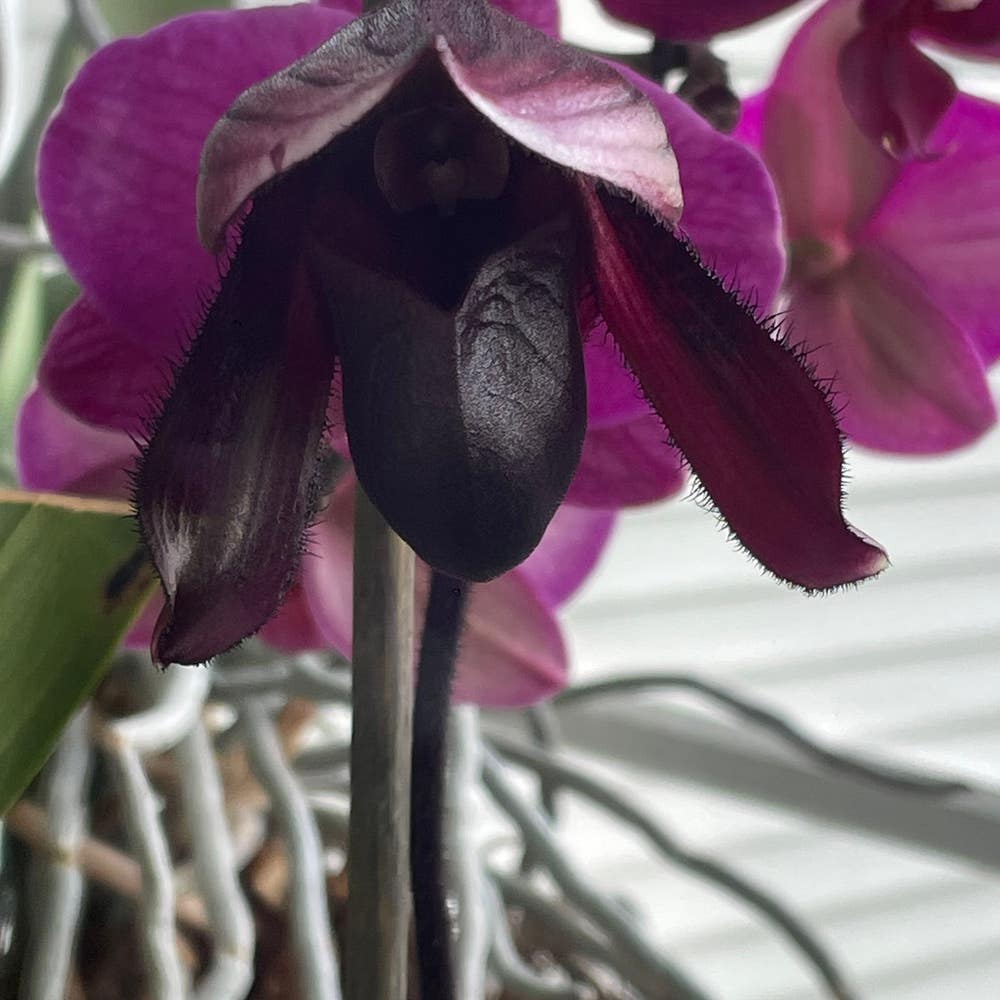
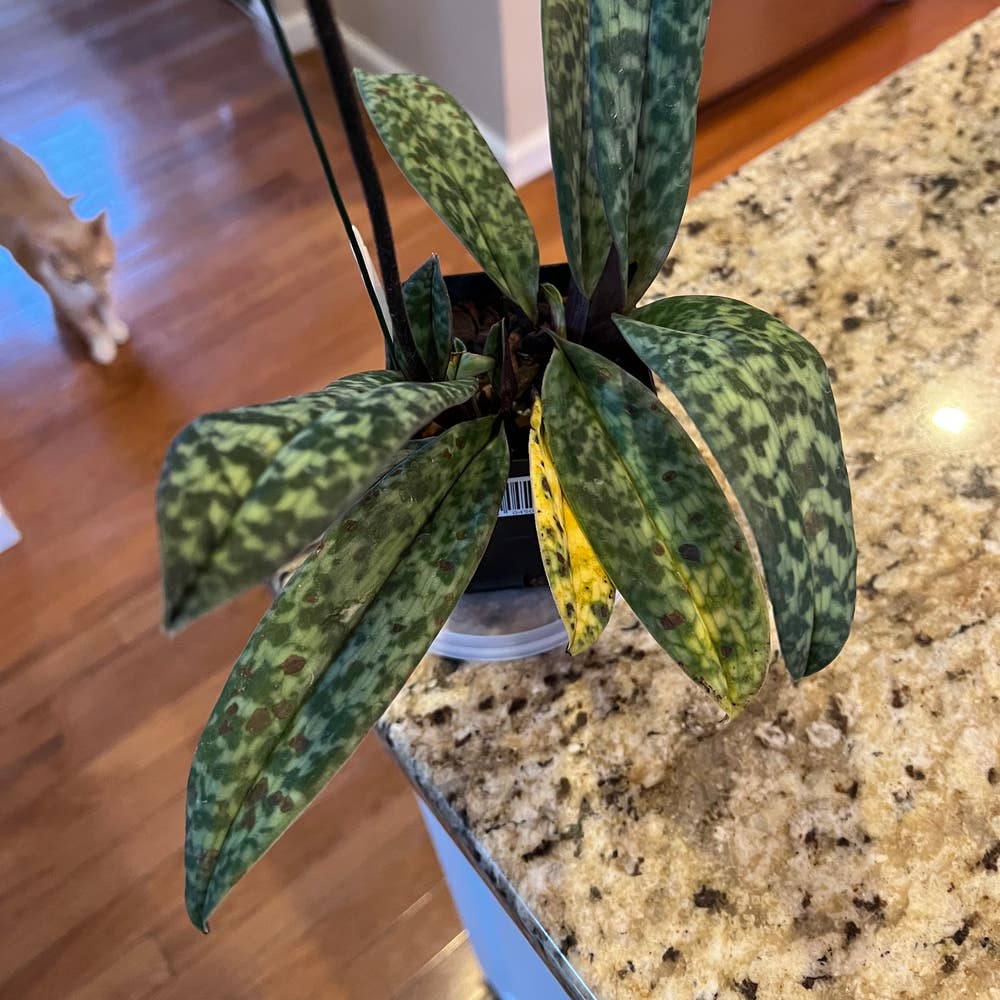
How to Get a Paphiopedilum 'Hawaiian Fancy' to Bloom
Paphiopedilum 'Hawaiian Fancy'
By the Greg Editorial Team
Apr 06, 2024•5 min read
This article was created with the help of AI so we can cover more plants for you. May contain errors. See one? Report it here.
Unveil your orchid's full potential 🌸 with expert tips for a breathtaking Paphiopedilum bloom.
[[Thoughts]]: The revised statement is concise, within the character limit, and includes an emoji for visual appeal. It promises practical advice (expert tips) and an aspirational outcome (breathtaking bloom), which should entice readers to learn more.
- Moderate indirect light and grow lights help orchids bloom.
- Keep temps 65°F-75°F and humidity 50-60% for optimal blooming.
- Balanced fertilizer and careful repotting support flowering.
Creating the Perfect Blooming Environment
💡 Light: The Spark of Flowering
To coax a Paphiopedilum 'Hawaiian Fancy' into bloom, light is your best ally. These orchids thrive in moderate to bright indirect sunlight. Direct rays can be harsh, so think of a spot that's like a VIP lounge—exclusive yet not under the spotlight. During darker months, consider grow lights to keep the bloom party alive, setting them up to mimic a day's natural rhythm, about 12 to 14 hours.
🌞 Seasonal Light Adjustments for Optimal Blooming
As the seasons change, so should your lighting strategy. In winter, when the sun is on a bit of a hiatus, reflective surfaces or supplemental lighting can give your orchid the equivalent of a light sweater—comfortable and compensatory. Conversely, when summer hits, you might need to pull back, providing a gentler light to avoid the equivalent of a plant sunburn.
Temperature and Humidity: The Blooming Dance Partners
Temperature and humidity are the Fred and Ginger of the orchid world. For Paphiopedilum 'Hawaiian Fancy', aim for daytime temperatures between 65°F and 75°F and a slight dip at night. This temperature tango can trigger blooming.
Ideal Temperature Ranges for Triggering Blooms
Consistency is key. Avoid sudden temperature swings that can shock your plant—orchids are more divas than roadies. They prefer a steady gig, not a surprise tour.
Humidity Levels that Mimic the Orchid's Natural Habitat
Humidity should hover around 50-60%. If your home's air is drier than a stand-up comic's punchline, a humidifier or a pebble tray can up the ante. Just ensure there's air movement—stagnant air is as welcome as a heckler at a comedy show.
Water and Food: The Fuel for Flowers
💧 Watering Routines for Robust Blooms
Watering frequency is crucial during the blooming cycle of a Paphiopedilum 'Hawaiian Fancy'. The goal is to maintain soil that is consistently moist but never waterlogged. As the plant approaches its blooming phase, increase watering slightly to encourage flower development. However, be vigilant; overwatering can lead to root rot, which is a surefire bloom blocker.
💡 Fertilization: The Secret Sauce for Spectacular Blooms
Fertilization is non-negotiable for those eye-catching blooms. Use a balanced, water-soluble fertilizer with a bias towards phosphorus and potassium to support flowering. Begin fertilizing a couple of months before the expected bloom period, and continue on a bi-weekly schedule. Remember, less is more—overfeeding can be as detrimental as underfeeding. Keep it at half-strength to avoid overwhelming your plant with nutrients.
The Art of Timing: When to Repot for Blooms
⏰ Repotting Without Ruining the Blooming Show
Repotting your Paphiopedilum 'Hawaiian Fancy' is like updating its living quarters—timing is key.
🌸 The Ideal Repotting Season
Spring is the season of new beginnings, making it the perfect time to repot your orchid. This period of active growth helps the plant recover swiftly and settle into its new home with ease.
🚧 Post-Bloom: The Safe Zone
Once the last petal drops, it's your cue. Repotting post-bloom minimizes stress on your orchid, ensuring it's ready for the next blooming cycle.
🌱 Signs It's Time
Look out for roots trying to escape the pot or a plant that seems to be toppling over its container. These are your plant's way of saying, "I need more space!"
🚫 Avoiding the Bloom Block
Never repot during the active blooming phase. You wouldn't move houses with guests over, would you? The same goes for your orchid in full bloom.
🌦 Weather Watch
Keep an eye on local weather patterns. You want to avoid those late frosts or cold snaps that can be a setback for your newly repotted orchid.
🌿 Root Care During Repotting
Handle the roots with care. Rough treatment can lead to a postponed blooming season, and no one wants that.
💧 Watering After Repotting
After the move, water deeply but not too often. It's like a trust fall with your plant—establishing a new routine without overdoing it.
Blossom Boosters and Bloom Blockers
💡 Encouraging Factors for Flowering
Light is the non-negotiable VIP pass to the bloom party. Bright, indirect sunlight is your ticket. If your space is more dungeon than greenhouse, consider a grow light to keep the show on the road.
Fertilizers with a high phosphorus and potassium content are the secret handshake. They whisper sweet nothings to your plant, encouraging it to put out. Apply them when your plant's gearing up for growth, and watch the magic happen.
Pruning isn't just a haircut; it's a strategic move. Snip away with purpose, focusing on old growth to make way for the new. It's like telling your plant, "Out with the old, in with the blooms."
Pest control is your bouncer. Keep those freeloading aphids and mealybugs out, or they'll crash the party and drink all the energy meant for your blooms.
Community wisdom is your oracle. Tap into forums and local gardening gurus for that tailored advice that could make all the difference. They've been through the bloom wars and have the scars to prove it.
🕵️ Solving the Mystery of Missing Blooms
When blooms are MIA, it's time to play detective. Over-fertilization is the usual suspect, turning your plant into a leafy beast with no flowers. Dial back the enthusiasm on the feed to let the blooms take center stage.
Watering is a balancing act. Too much, and you're drowning your chances; too little, and you're leaving them high and dry. Aim for that sweet spot of consistent moisture.
Temperature swings can be the drama that your plant needs to kickstart the blooming process. Mimic Mother Nature's mood swings within the ideal temperature range to get those buds popping.
Stress management is key. Your plant needs to feel at home, so adjust the humidity and temperature to recreate its ideal environment. It's like setting the mood for romance but with flowers.
If your blooms are still playing hard to get, adjust your care routine. Sometimes, it's about tweaking the little things and waiting for the shy flowers to come out and play.
⚠️ Safety First
This content is for general information and may contain errors, omissions, or outdated details. It is not medical, veterinary advice, or an endorsement of therapeutic claims.
Always consult a qualified healthcare professional before using any plant as food, medicine, or supplement.
Never eat any plant (or feed one to pets) without confirming its identity with at least two trusted sources.
If you suspect poisoning, call Poison Control (800) 222-1222, the Pet Poison Helpline (800) 213-6680, or your local emergency service immediately.
Spotted an error? Please report it here.
Ensure your Paphiopedilum 'Hawaiian Fancy' thrives and blooms 🌸 with Greg's tailored reminders for light, watering, and seasonal care based on your home environment.