7 Easy Ways to Pollinate Paphiopedilum 'Hawaiian Fancy' 🐝
Paphiopedilum 'Hawaiian Fancy'
By the Greg Editorial Team
Sep 29, 2024•5 min read
This article was created with the help of AI so we can cover more plants for you. May contain errors. See one? Report it here.
Unlock vibrant blooms of Paphiopedilum 'Hawaiian Fancy' 🌼 by mastering essential pollination techniques for thriving orchids!
- 🌺 Paphiopedilum 'Hawaiian Fancy' attracts pollinators with its unique pouch-shaped lip.
- 🐝 Key pollinators include bees, butterflies, and hummingbirds; create a diverse garden for them.
- ✋ Hand pollination increases success; use a fine brush for transferring pollen effectively.
Flower Structure
Description of Components 🌸
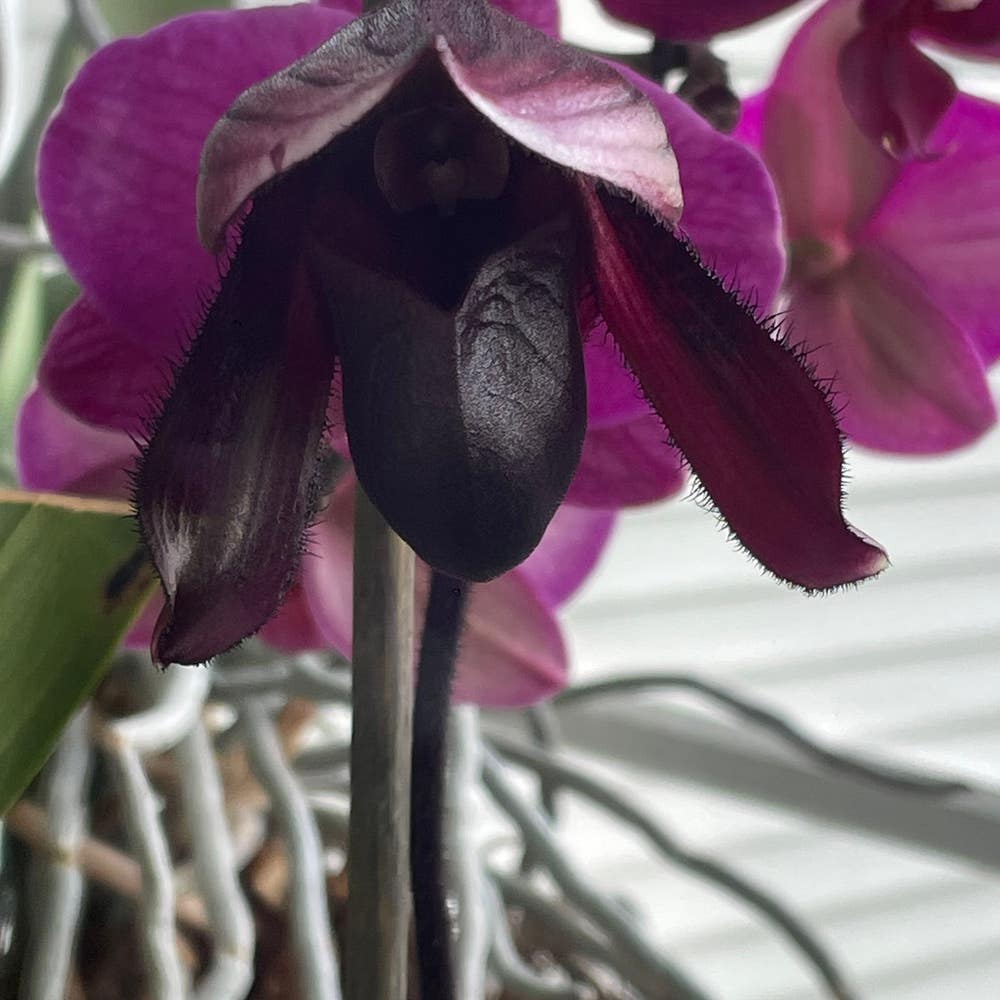
The Paphiopedilum 'Hawaiian Fancy' is a visual delight, showcasing a variety of petal colors and shapes. Its most striking feature is the pouch-shaped lip, which not only adds to its beauty but also plays a crucial role in attracting pollinators.
The sepals are arranged elegantly, often resembling a protective canopy over the reproductive parts. Their structure is designed to lure in pollinators, enhancing the chances of successful pollination.
Stamens are strategically positioned within the flower, serving as the primary source of pollen. Their function is vital, as they produce the pollen necessary for both self-pollination and cross-pollination.
Pistils, on the other hand, are the receiving end of the pollination process. Their structure is specifically adapted to capture pollen, ensuring that fertilization can occur effectively.
Role in Pollination 🐝
The unique flower structure of Paphiopedilum 'Hawaiian Fancy' facilitates both self-pollination and cross-pollination. This adaptability is essential for maximizing reproductive success in varying environmental conditions.
Additionally, the flower has evolved specific traits to attract various pollinator species. These adaptations ensure that the plant can effectively engage with its pollinators, enhancing the likelihood of successful pollen transfer.
Understanding these components and their roles not only deepens our appreciation for this orchid but also highlights the intricate relationships between plants and their pollinators. As we explore the pollination process further, we’ll uncover how these features come into play.
Pollination Process
Self-Pollination Explanation 🌼
Paphiopedilum 'Hawaiian Fancy' has a fascinating self-pollination mechanism. The flower's structure allows pollen to transfer from the stamens to the pistils without needing external help.
Self-pollination offers significant benefits, including reliable reproduction and seed production. This process ensures that even in the absence of pollinators, the plant can thrive.
Cross-Pollination Requirements 🐝
While self-pollination is effective, cross-pollination can enhance genetic diversity. Key pollinators for this orchid include bees, butterflies, moths, and hummingbirds.
These pollinators are attracted to the flower's unique structure. As they seek nectar, they inadvertently facilitate pollen transfer, promoting healthy reproduction for the Paphiopedilum 'Hawaiian Fancy'.
Understanding both self-pollination and cross-pollination is crucial for successful cultivation. This knowledge sets the stage for exploring natural pollination mechanisms, which further enrich the life cycle of this stunning orchid.
Natural Pollination Mechanisms
🌼 Pollen Transfer Mechanisms
Pollen transfer in Paphiopedilum 'Hawaiian Fancy' occurs both within individual flowers and between different blooms. This process is facilitated by pollinators, such as bees and butterflies, which visit the flowers seeking nectar.
Environmental factors play a crucial role in this natural pollination. Temperature and humidity can significantly influence the activity of pollinators, enhancing their effectiveness in transferring pollen.
🌱 Importance for Reproduction
Successful pollination is vital for the genetic diversity of the Paphiopedilum 'Hawaiian Fancy' population. A diverse gene pool contributes to the overall health and resilience of these orchids.
Moreover, effective pollination directly impacts fruit and seed development. Without it, the potential for new plants diminishes, threatening the species' survival and growth.
Understanding these mechanisms not only highlights the beauty of nature but also emphasizes the importance of protecting pollinators and their habitats. As we explore hand pollination techniques next, we’ll see how we can assist these natural processes.
Hand Pollination Techniques
Step-by-Step Instructions 🌼
Hand pollination can be a rewarding way to ensure the reproduction of your Paphiopedilum 'Hawaiian Fancy'. Here’s how to do it effectively.
1. Identifying Male and Female Flower Parts 🔍
Start by examining the flower closely. The stamens, which produce pollen, are typically located near the center, while the pistils, responsible for receiving pollen, are positioned prominently.
2. Collecting Pollen 🖌️
For this step, you’ll need a fine brush or a toothpick. Gently extract pollen from the anther, being careful not to damage the delicate flower parts.
3. Transferring Pollen 🚀
Once you have collected the pollen, apply it to the stigma of the pistil. Timing is crucial; aim to perform this transfer in the morning when the flower is most receptive.
Hand pollination not only boosts your chances of successful seed production but also deepens your connection with these beautiful orchids. By following these steps, you can play an active role in their reproduction.
Next, let’s explore how to create a pollinator-friendly environment to support your Paphiopedilum 'Hawaiian Fancy'.
Supporting Pollinators
🌼 Creating a Pollinator-Friendly Environment
Designing a garden that attracts beneficial pollinator species is essential for the health of your Paphiopedilum 'Hawaiian Fancy'. Start by incorporating a variety of flowering plants that bloom at different times throughout the year to provide a continuous food source.
Consider native plants, as they are more likely to attract local pollinators. Avoid pesticides, which can harm these vital species, and instead, opt for organic gardening practices to create a safe haven for them.
🌱 Companion Plants
Companion plants can significantly enhance the pollination success of your orchids. Here are a few specific plants that attract beneficial pollinators:
- Lavender: Known for its fragrant flowers, lavender attracts bees and butterflies.
- Echinacea (Coneflower): This hardy plant draws in a variety of pollinators, including bees and butterflies.
- Marigolds: Their bright colors and scent attract various insects, making them excellent companions.
These plants not only provide food for pollinators but also create a vibrant ecosystem that supports the overall health of your garden. By fostering a diverse plant life, you increase the chances of successful pollination for your Paphiopedilum 'Hawaiian Fancy', ensuring a thriving and beautiful display.
As you cultivate this pollinator-friendly environment, you'll witness the delightful interactions between your plants and their pollinators, enhancing your gardening experience.
⚠️ Safety First
This content is for general information and may contain errors, omissions, or outdated details. It is not medical, veterinary advice, or an endorsement of therapeutic claims.
Always consult a qualified healthcare professional before using any plant as food, medicine, or supplement.
Never eat any plant (or feed one to pets) without confirming its identity with at least two trusted sources.
If you suspect poisoning, call Poison Control (800) 222-1222, the Pet Poison Helpline (800) 213-6680, or your local emergency service immediately.
Spotted an error? Please report it here.
Pollinating your Paphiopedilum 'Hawaiian Fancy' is rewarding 🌱 and with Greg's personalized tips and reminders, you'll cultivate a thriving garden that attracts the perfect pollinators!