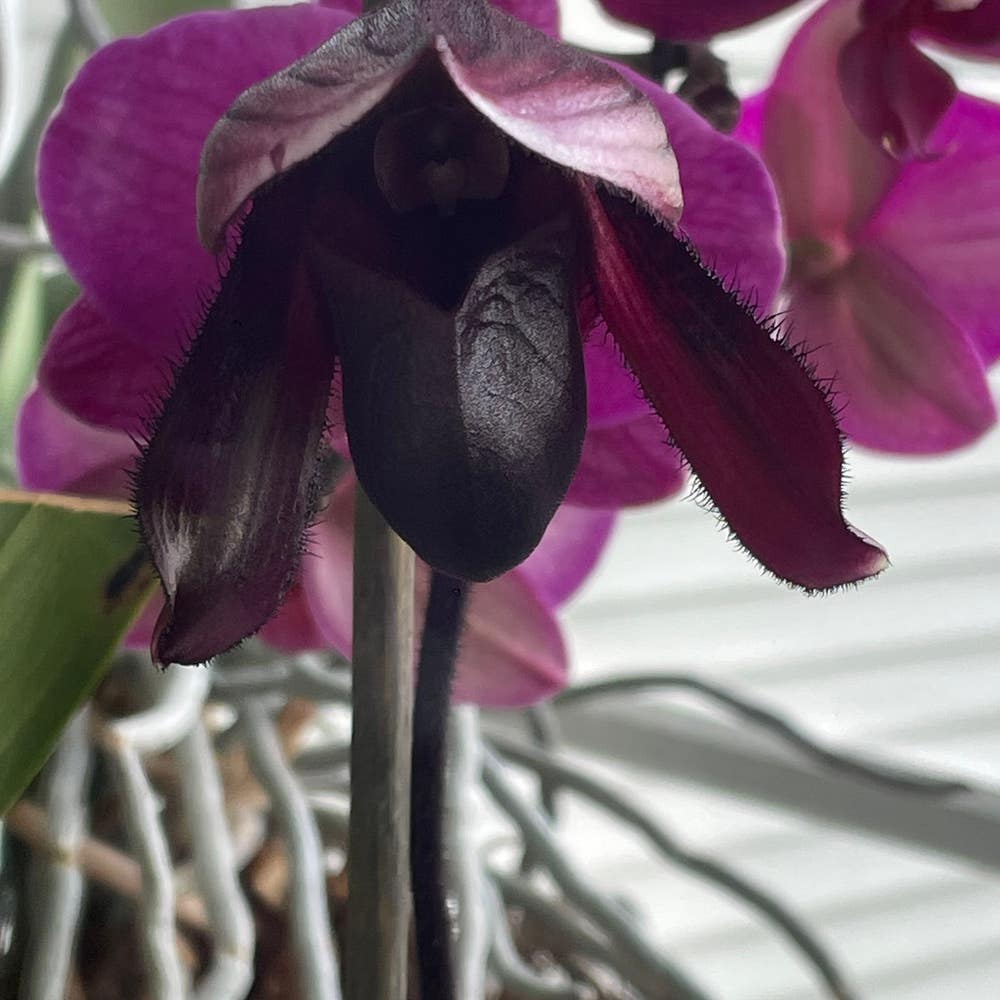
🌞 Your Paphiopedilum 'Hawaiian Fancy''s Light Needs
Paphiopedilum 'Hawaiian Fancy'
By the Greg Editorial Team
Apr 06, 2024•5 min read
This article was created with the help of AI so we can cover more plants for you. May contain errors. See one? Report it here.
Nurture vibrant 'Hawaiian Fancy' blooms with these tailored lighting secrets 🌱🔦.
- Bright, indirect light outdoors is ideal for Paphiopedilum 'Hawaiian Fancy'.
- 🌞 Use diffusers indoors like curtains to prevent sunburn.
- Grow lights aid flowering, positioned 6-12 inches above with a 12-14 hour cycle.
Basking in the Right Glow: Indoor and Outdoor Light Tips
🌿 Finding the Sweet Spot Outdoors
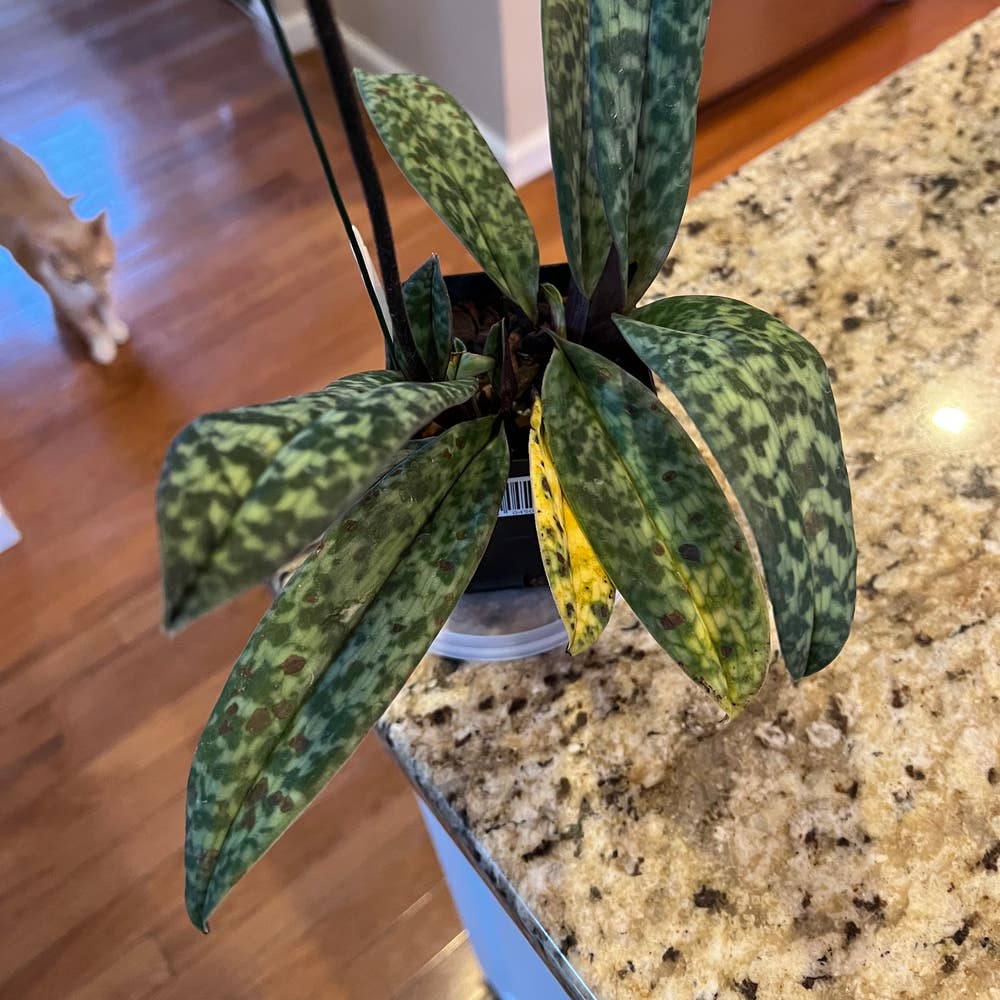
Paphiopedilum 'Hawaiian Fancy' orchids thrive in bright, indirect light. They're like undercover agents, preferring the secrecy of shade while still keeping an eye on the sun. To achieve this, place them where the morning or late afternoon sun filters through a sheer curtain of leaves, such as under a tree or a pergola. Avoid the midday sun; it's the arch-nemesis of these delicate plants. If you catch the leaves turning a pale, sunburnt yellow, it's time to move them to a shadier spot or rig up some protection like a shade cloth.
🪟 Setting Up Indoors: Windows and Placement
Indoors, these orchids need a spot that's just right—not too close to the window, not too far. A north or east-facing window is ideal, offering a gentle touch of sunlight without the harshness of direct exposure. If you only have south or west-facing windows, don't despair. Use sheer curtains or blinds to diffuse the light, creating a cozy, jungle-like ambience. And remember, reflective surfaces are your stealthy sidekick; they can help distribute light evenly, ensuring your Paphiopedilum 'Hawaiian Fancy' doesn't miss out on its light quota. Keep an eye on the leaf color—a medium green is the goal. Too pale, and you might need to dial down the light; too dark, and it could use a bit more.
When Less is More: Avoiding Overexposure
🕶️ Recognizing Signs of Too Much Sun
Paphiopedilum 'Hawaiian Fancy' can be a bit dramatic with too much light. Watch for leaves that crisp like bacon or fade like old jeans—these are your plant's version of an SOS. Leaf burn is the telltale sign that your orchid is getting more sun than it bargained for. If you spot brown tips or a bleached color palette, it's time to rethink your light strategy.
🌅 Creating a Gentle Environment
Indoor lighting should be like a soft sweater, not a scorching campfire. Use curtains or blinds to diffuse harsh sunlight, turning your living room into a sanctuary, not a solarium. Sheer curtains are the MVP here, acting as sunglasses for your 'Hawaiian Fancy'. If you're dealing with a light overdose, consider repositioning your plant to avoid the midday glare. Remember, you're crafting a light environment that's just right—bright but indirect.
Let There Be Light: Encouraging Paphiopedilum 'Hawaiian Fancy' to Flower
💡 The Light-Flower Connection
Light is the orchestra conductor for your Paphiopedilum 'Hawaiian Fancy' when it comes to blooming. Intensity and duration of light are the secret ingredients that can trigger your plant to start producing flowers. It's not just about providing light; it's about providing the right kind of light.
💡 Adjusting Light for Flowering Success
To get your Paphiopedilum 'Hawaiian Fancy' in the flowering mood, you'll want to mimic the long days of summer. This means extending the light exposure, but with a gentle touch. Here's how:
- Position your plant in a spot where it receives bright, indirect light. Think of the light as a cozy blanket, not a scorching sunbeam.
- Monitor the light intensity. If the leaves start to look like they've had a bit too much sun, dial it back. You're aiming for a healthy, light-induced blush, not a sunburn.
- Consider using a grow light if you can't rely on the sun alone. These can be set up to ensure your plant gets consistent light, even when the skies are gray.
- Rotate your plant regularly. This ensures that all sides receive even light, preventing the plant from reaching out like a sun-starved zombie.
- Observe the plant's response. If it starts producing new leaves or roots, you're on the right track. Flower spikes are your victory flag.
Remember, Paphiopedilum 'Hawaiian Fancy' is a bit of a diva. It won't flower just because you want it to. You've got to set the stage, control the lighting, and wait for the show to begin.
Supplementing Sunlight: The Role of Grow Lights
💡 Choosing the Right Grow Light
Grow lights are the indoor sun for your Paphiopedilum 'Hawaiian Fancy' when the real deal is playing hard to get. Full-spectrum LED lights are your best bet, offering a broad range of wavelengths to keep your orchid happy without the heat stress. They're the energy-efficient darlings of the grow light world, and they won't have you sweating over your electricity bill.
🏡 Positioning and Timing
Get the placement right; it's a game-changer. Your grow light should hover 6 to 12 inches above the plant—close enough for a cozy light bath but far enough to prevent a sunburn. Timing is crucial too. Aim for a 12-14 hour light cycle to mimic natural daylight, but don't forget to let your plant hit the hay in darkness. It's not a party animal; it needs its beauty sleep. Use a timer to automate this cycle, and watch your Paphiopedilum 'Hawaiian Fancy' thrive. Keep an eye out for signs of distress, and adjust the light height or duration accordingly. It's about finding that sweet spot where your plant looks like it's on a perpetual tropical vacation.
⚠️ Safety First
This content is for general information and may contain errors, omissions, or outdated details. It is not medical, veterinary advice, or an endorsement of therapeutic claims.
Always consult a qualified healthcare professional before using any plant as food, medicine, or supplement.
Never eat any plant (or feed one to pets) without confirming its identity with at least two trusted sources.
If you suspect poisoning, call Poison Control (800) 222-1222, the Pet Poison Helpline (800) 213-6680, or your local emergency service immediately.
Spotted an error? Please report it here.
Nurture your Paphiopedilum 'Hawaiian Fancy' to blooming perfection 🌟 with Greg's tailored light monitoring and custom reminders to shield them from too much sun.