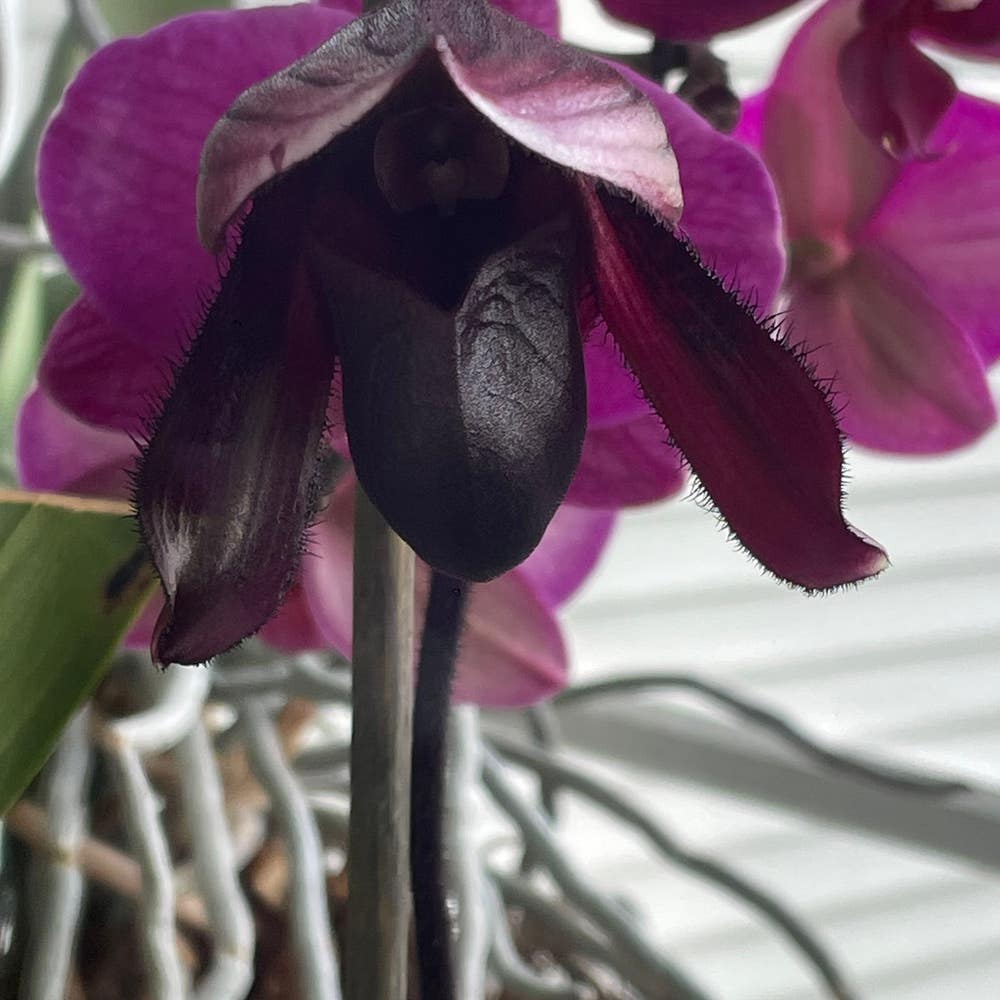
🌸 4 Key Winter Strategies for Paphiopedilum 'Hawaiian Fancy'
Paphiopedilum 'Hawaiian Fancy'
By the Greg Editorial Team
Sep 29, 2024•4 min read
This article was created with the help of AI so we can cover more plants for you. May contain errors. See one? Report it here.
Keep your Paphiopedilum orchids thriving this winter 🌱 for a stunning spring bloom! 🌸
- ❄️ Frost protection is vital for Paphiopedilum 'Hawaiian Fancy' to prevent cold damage.
- 🌡️ Maintain indoor temperatures between 18°C to 24°C for optimal orchid health.
- 💧 Adjust watering to every 2-3 weeks in winter to avoid overwatering issues.
Winter Care Strategies
❄️ Frost Protection Methods
Frost protection is crucial for Paphiopedilum, as these orchids are sensitive to cold temperatures. Even a light frost can cause significant damage, so implementing effective protection strategies is essential.
To safeguard your plants, consider using frost cloths or blankets. These materials can trap heat and shield your orchids from harsh conditions.
During particularly cold snaps, bringing your plants indoors is a smart move. This simple action can prevent frost damage and keep your orchids thriving.
Another effective method is utilizing heat mats. These mats provide consistent warmth, helping to regulate temperature and protect your plants from chilling effects.
💧 Adjusting Watering Schedules During Winter
Adjusting your watering schedule is vital during winter dormancy. Paphiopedilum requires less water in these months, so it's important to avoid overwatering.
Aim to water every 2-3 weeks, depending on the humidity levels in your environment. This frequency helps maintain healthy roots without drowning them.
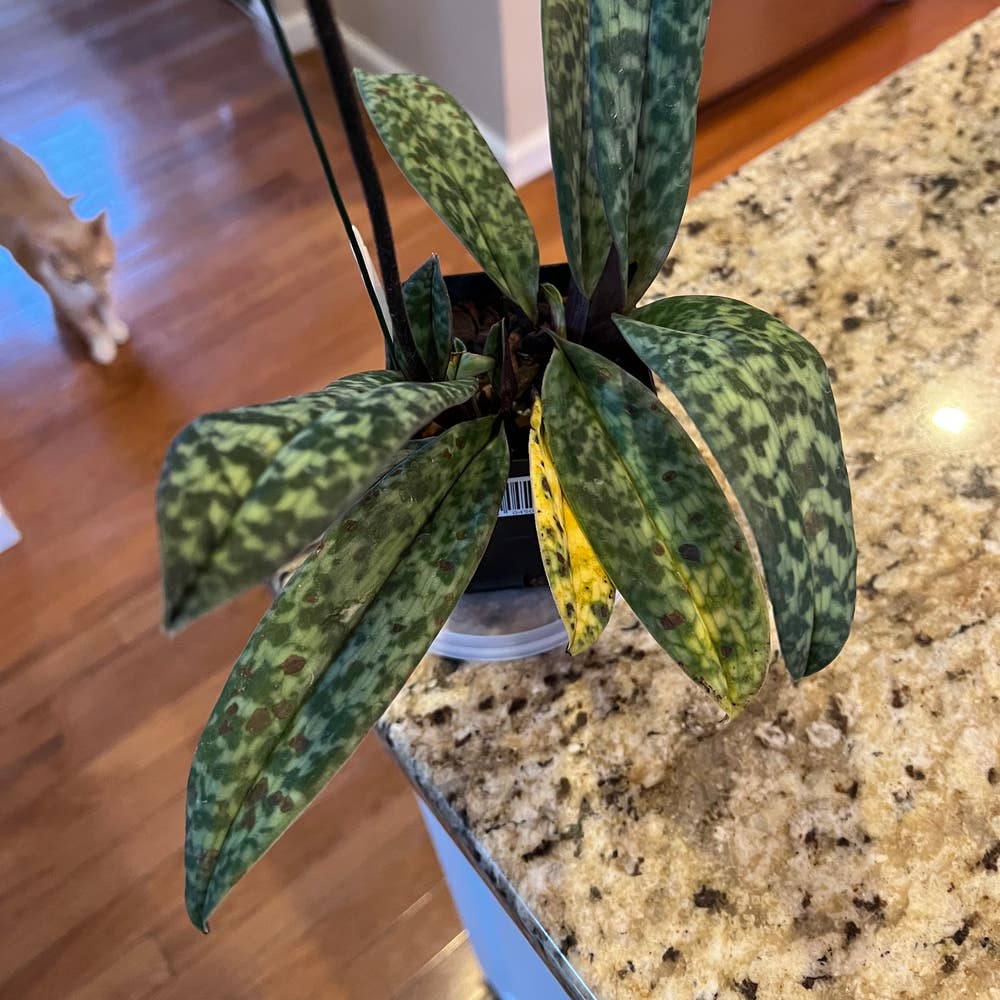
Watch for signs of overwatering, such as yellowing leaves. Conversely, if you notice wrinkled leaves, it may indicate that your plant is underwatered.
🌱 Fertilizing Needs in Winter Months
During winter, it's important to reduce fertilization. The lower light levels and cooler temperatures mean that nutrient uptake is significantly decreased.
A good rule of thumb is to use a diluted orchid fertilizer every 4-6 weeks. This approach provides essential nutrients without overwhelming your plant.
Opt for balanced NPK fertilizers with lower nitrogen content. These types are better suited for winter conditions, ensuring your orchids receive the right nourishment.
🏠 Indoor Care Tips for Winter
Creating an optimal indoor environment is key for winter care. Aim for a temperature range of 18°C to 24°C (65°F to 75°F) to keep your orchids comfortable.
Avoid drafts and sudden temperature changes, as these can stress your plants. A stable environment promotes healthier growth during the colder months.
Humidity is another critical factor. Maintain humidity levels of 50-70% to support your Paphiopedilum's needs.
Consider using humidifiers or pebble trays to increase humidity. These tools can help create a more suitable atmosphere for your orchids to thrive.
By following these winter care strategies, you can ensure your Paphiopedilum 'Hawaiian Fancy' remains healthy and vibrant throughout the colder months. As you prepare for spring, keep an eye out for signs of recovery and growth, which will signal the next phase of care.
Spring Preparation
Signs of Recovery from Winter Damage 🌱
As winter fades, look for signs that your Paphiopedilum 'Hawaiian Fancy' is bouncing back. New leaf growth and robust root development are excellent indicators of recovery.
Conversely, keep an eye out for frost damage. Brown or wilted leaves can signal stress, so act quickly to address any issues.
Transitioning Care from Winter to Spring 🌼
With warmer temperatures on the horizon, it's time to adjust your care routine. Gradually increase your watering and fertilization to match the plant's growing needs.
Monitor temperature and humidity closely during this transition. Changes in these factors can significantly impact your orchid's health.
Preparing for Blooming Season 🌸
Excitement builds as you notice signs that blooming is near. Look for bud formation and increased leaf growth, both promising indicators of an upcoming floral display.
To ensure optimal blooming conditions, adjust light and humidity levels. Your Paphiopedilum thrives in a well-lit, humid environment, so make those adjustments as spring approaches.
With these preparations in place, your orchid will be well on its way to a vibrant blooming season. Next, let’s explore common winter problems and their solutions to keep your plant thriving.
Common Winter Problems and Solutions
❄️ Identifying and Addressing Frost Damage
Frost damage can be a real concern for your Paphiopedilum 'Hawaiian Fancy.' Look out for symptoms like discolored leaves and stunted growth, which indicate that your plant is struggling.
To help your orchid recover, prune away any damaged areas. Additionally, improve your frost protection methods to prevent future issues.
🐛 Managing Pests During Winter
Winter brings its own set of challenges, including pests like mealybugs and spider mites. These pests can wreak havoc on your Paphiopedilum if not managed promptly.
Regular inspections are crucial for early detection. If you spot any pests, using insecticidal soap can effectively control their population.
💧 Solutions for Overwatering or Underwatering in Winter
Improper watering can lead to serious problems during the winter months. Signs of overwatering include root rot and leaf droop, while underwatering may cause leaves to wrinkle.
To avoid these issues, consider implementing a moisture meter for accurate readings. Establishing a consistent watering routine based on environmental conditions will also help keep your orchid healthy.
By addressing these common winter problems, you can ensure your Paphiopedilum thrives even in the colder months. Next, let’s explore how to prepare for spring and the signs that your plant is recovering from winter damage.
⚠️ Safety First
This content is for general information and may contain errors, omissions, or outdated details. It is not medical, veterinary advice, or an endorsement of therapeutic claims.
Always consult a qualified healthcare professional before using any plant as food, medicine, or supplement.
Never eat any plant (or feed one to pets) without confirming its identity with at least two trusted sources.
If you suspect poisoning, call Poison Control (800) 222-1222, the Pet Poison Helpline (800) 213-6680, or your local emergency service immediately.
Spotted an error? Please report it here.
Keep your Paphiopedilum 'Hawaiian Fancy' thriving this winter ❄️ by using Greg for personalized care reminders that ensure your orchids stay warm, hydrated, and healthy!