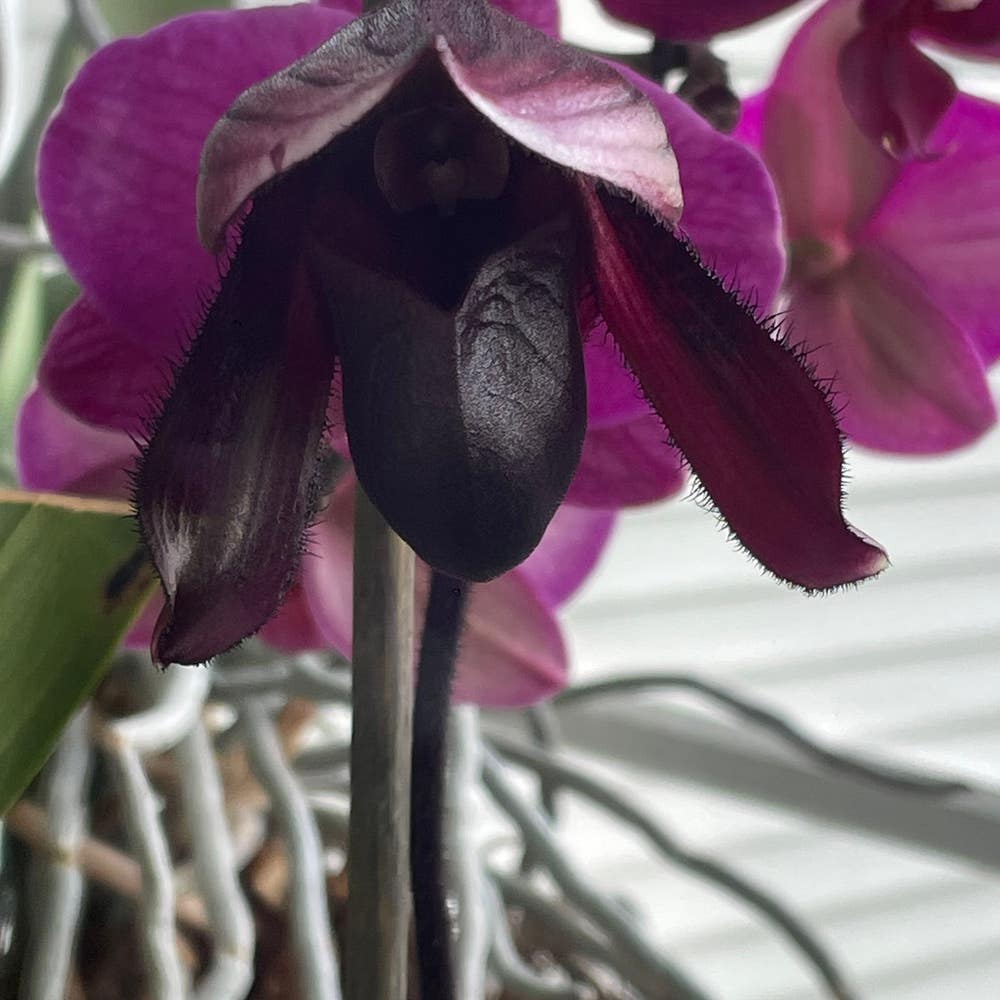
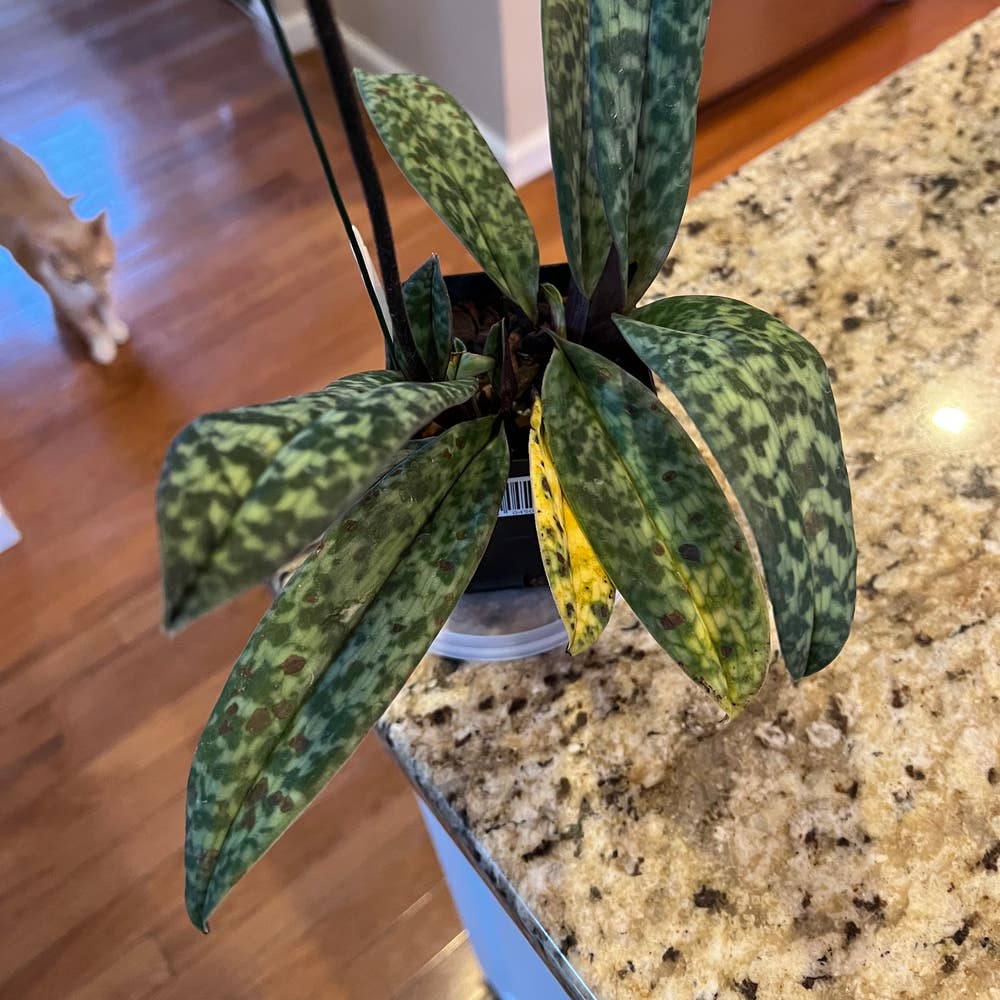
What to Do About Your Paphiopedilum 'Hawaiian Fancy' Wilting 🌺
Paphiopedilum 'Hawaiian Fancy'
By the Greg Editorial Team
Sep 29, 2024•6 min read
This article was created with the help of AI so we can cover more plants for you. May contain errors. See one? Report it here.
Transform your wilting Paphiopedilum 'Hawaiian Fancy' into a thriving beauty with these essential care tips! 🌱
- 💧 Wilting indicates water stress; check for underwatering or overwatering issues.
- 🌡️ Maintain 65-75°F and humidity levels of 50-70% to prevent heat stress.
- 🌞 Provide filtered light to avoid leaf scorching and promote healthy growth.
Common Causes of Wilting Leaves
💧 Water Stress
Wilting leaves on your Paphiopedilum 'Hawaiian Fancy' can often be traced back to water stress. Symptoms include drooping leaves and a dry potting medium, signaling that your plant may be in distress.
Underwatering
If you notice your orchid's leaves drooping, it might be underwatered. Check the potting medium; if it feels dry, it's time to water. Aim for a consistent watering schedule to keep your plant hydrated.
Overwatering
Conversely, overwatering can lead to root rot and soggy media. Signs include yellowing leaves and a mushy texture. Ensure your potting medium drains well to prevent this issue.
🔥 Heat Stress
Heat stress is another common culprit behind wilting leaves. Symptoms include yellowing leaves and crispy edges, indicating that your plant is struggling with its environment.
Excessive Sunlight Exposure
Your Paphiopedilum thrives in filtered light. Too much direct sunlight can scorch the leaves, so consider relocating it to a shadier spot if you notice signs of stress.
High Ambient Temperatures
Orchids prefer a temperature range of 65-75°F (18-24°C). If your home is significantly warmer, it may be time to cool things down with fans or air conditioning.
🦠 Disease-Related Wilting
While less common, disease-related wilting can occur. Look for signs of fungal infections or bacterial issues, such as unusual spots or discoloration.
It's important to note that healthy plants are less likely to suffer from pathogenic wilt. Regular care and monitoring can help keep your orchid in top shape.
Understanding these common causes of wilting leaves is the first step toward reviving your Paphiopedilum 'Hawaiian Fancy.' Next, let’s dive into how to diagnose the specific issues affecting your plant.
Diagnosing Wilting
Step-by-Step Guide 🌱
Diagnosing wilting in your Paphiopedilum 'Hawaiian Fancy' requires a systematic approach. Start by assessing your watering habits; check the moisture levels in the potting medium to determine if it’s too dry or too wet.
Next, evaluate the environmental conditions. Are the temperature and humidity levels suitable for your orchid?
Inspect for pests or diseases by looking closely for any signs of infestation or infection. Lastly, check the potting medium to ensure it is well-draining and appropriate for orchids.
Signs to Look For 👀
Pay attention to the leaf texture. Is it soft and limp, or firm and healthy?
Color changes can also indicate issues; yellowing or browning leaves are red flags.
Finally, observe the leaf position. Are they drooping or curling? These signs can help you pinpoint the problem and take action.
By carefully diagnosing these symptoms, you can better understand what your plant needs to thrive.
Solutions for Wilting Leaves
🌊 Addressing Water Stress
Wilting leaves often signal water stress, which can stem from either underwatering or overwatering.
For Underwatering
If your Paphiopedilum 'Hawaiian Fancy' is underwatered, you might notice drooping leaves and a dry potting medium. To remedy this, consider bottom watering, which allows the roots to absorb moisture more effectively. Establishing a consistent watering schedule is crucial; check the potting medium regularly to maintain optimal moisture levels.
For Overwatering
On the flip side, overwatering can lead to root rot, characterized by mushy roots and a soggy potting medium. Look for signs like yellowing leaves or a foul smell. If you suspect root rot, repot your orchid using fresh, well-draining media to encourage recovery.
🔥 Managing Heat Stress
Heat stress can also contribute to wilting, manifesting as yellowing leaves or crispy edges.
Adjusting Light Exposure
If your plant is getting too much direct sunlight, consider moving it to a shadier spot. This simple adjustment can significantly improve its condition.
Temperature Control
High ambient temperatures can be detrimental as well. Using fans or air conditioning can help maintain a comfortable environment for your orchid, ideally between 65°F and 75°F.
🦠 Solutions for Disease-Related Wilting
While less common in healthy plants, disease-related wilting can occur.
Identifying the Type of Disease
Start by identifying whether the issue is fungal or bacterial. Fungal infections often present as dark spots or mold, while bacterial issues may cause mushy, discolored areas.
Treatment Options
For treatment, fungicides or bactericides may be necessary. Always follow the manufacturer's instructions for application to ensure safety and effectiveness.
🌱 Techniques for Safe Revival
Reviving a wilting orchid requires careful techniques to ensure its health.
Bottom Watering Methods
To implement bottom watering, fill a tray with water and place the pot in it, allowing the roots to soak up moisture. This method is gentle and effective.
Temporary Relocation
If environmental conditions are unfavorable, temporarily relocating your plant can make a big difference. Find a spot with better light or temperature conditions to help it recover.
Pruning Wilted Leaves
Pruning wilted leaves can also aid in revival. Use clean, sharp scissors to remove any severely damaged foliage, promoting new growth and improving airflow.
By addressing these issues proactively, you can help your Paphiopedilum 'Hawaiian Fancy' bounce back from wilting. Next, let’s explore preventive measures to keep your orchid thriving in the long run.
Preventive Measures
Best Practices 🌱
Establishing a consistent care routine is crucial for your Paphiopedilum 'Hawaiian Fancy.' Regular watering, feeding, and light exposure will help keep your plant thriving.
Monitoring environmental conditions is equally important. Make it a habit to check humidity and temperature regularly to ensure your orchid is in its ideal environment.
Environmental Adjustments 🌧️
Maintaining humidity levels between 50-70% is essential for your orchid's health. This range helps prevent wilting and promotes vibrant growth.
Providing filtered light is another key factor. Too much direct sunlight can stress your plant, so aim for a balance that allows it to flourish without burning its leaves.
By implementing these preventive measures, you'll create a nurturing environment for your orchid. This proactive approach will help you enjoy a healthy, beautiful plant for years to come.
Next, let's explore when it's time to seek expert assistance for your wilting orchid.
When to Seek Help
Signs That Require Expert Assistance 🌱
If your Paphiopedilum 'Hawaiian Fancy' continues to wilt despite your best care efforts, it may be time to consult an expert. Persistent wilting can indicate underlying issues that simple adjustments won't resolve.
Look for signs of severe disease or pest infestation. If you notice unusual spots, mold, or pests clinging to the leaves, don't hesitate to seek help.
Resources for Support 🤝
Local nurseries can be invaluable resources for expert advice. They often have knowledgeable staff who can provide tailored guidance for your specific situation.
Additionally, consider joining Greg, the online plant care community. It's a great platform to connect with fellow plant enthusiasts and get support when you need it most.
By reaching out for help, you can ensure your orchid receives the care it deserves.
⚠️ Safety First
This content is for general information and may contain errors, omissions, or outdated details. It is not medical, veterinary advice, or an endorsement of therapeutic claims.
Always consult a qualified healthcare professional before using any plant as food, medicine, or supplement.
Never eat any plant (or feed one to pets) without confirming its identity with at least two trusted sources.
If you suspect poisoning, call Poison Control (800) 222-1222, the Pet Poison Helpline (800) 213-6680, or your local emergency service immediately.
Spotted an error? Please report it here.
Keep your Paphiopedilum 'Hawaiian Fancy' thriving 🌱 by using Greg's tailored watering reminders and environmental checks to prevent wilting and ensure vibrant growth!