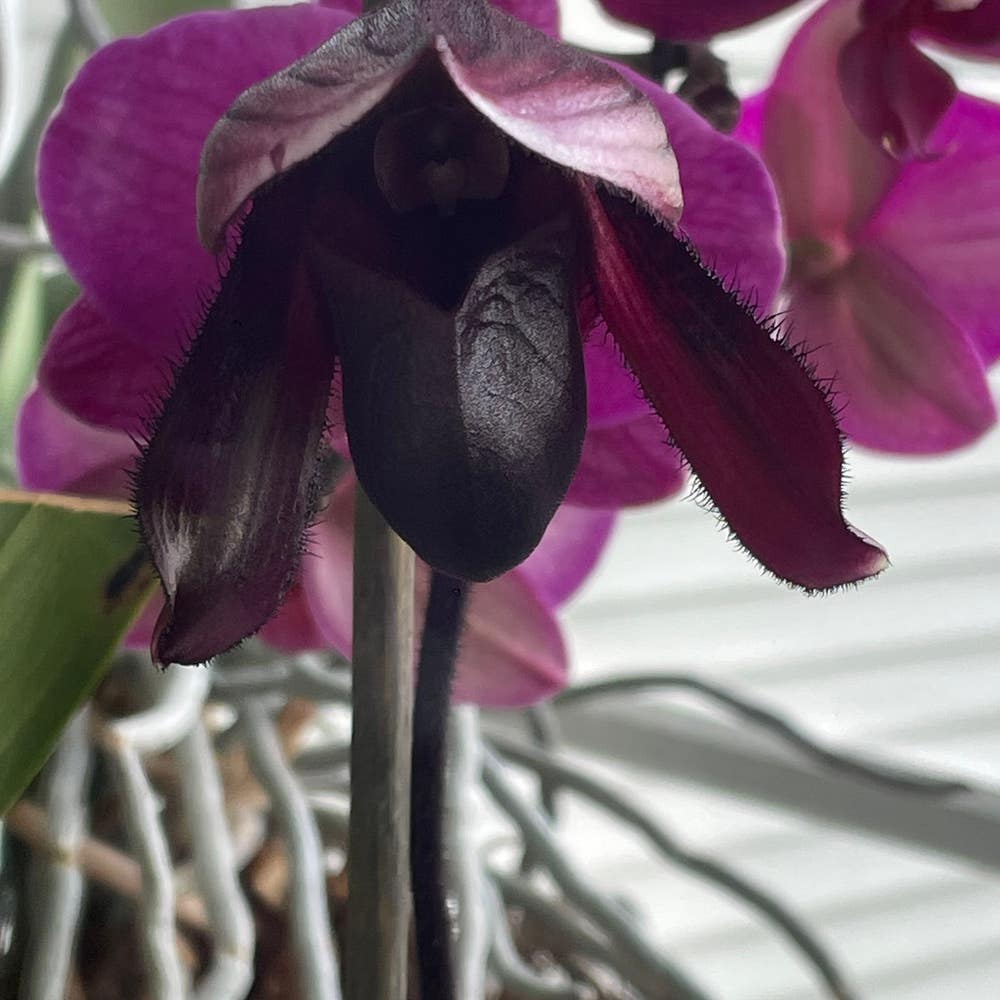
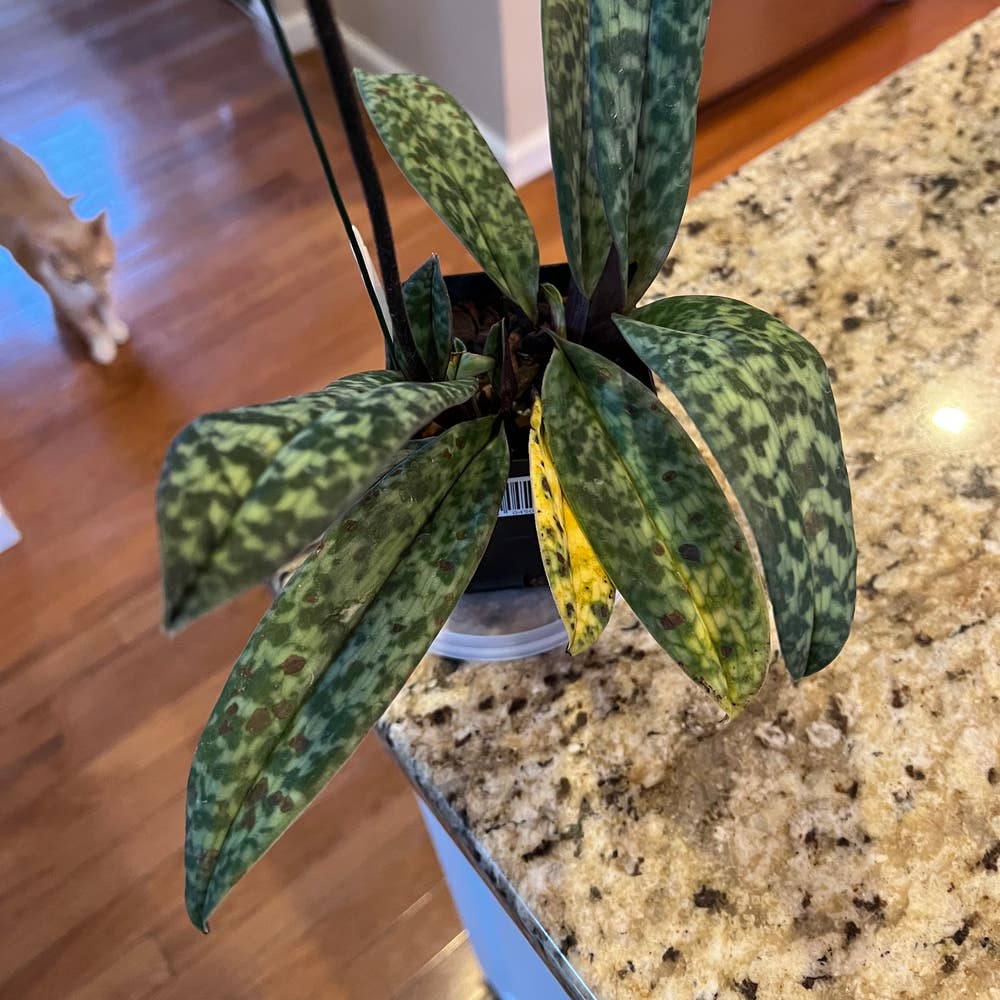
🌺 Best Soil for Paphiopedilum 'Hawaiian Fancy'
Paphiopedilum 'Hawaiian Fancy'
By the Greg Editorial Team
Apr 06, 2024•3 min read
This article was created with the help of AI so we can cover more plants for you. May contain errors. See one? Report it here.
Discover the secret to vibrant 'Hawaiian Fancy' orchids 🌸 with this tailored soil mix recipe for peak bloom and health!
- 🌱 Moldy soil? Reduce watering and increase airflow.
- Perfect mix: Bark, moss, perlite, and slight acidity.
- Repot every 1-2 years for root health and moisture control.
Spotting Trouble: When Your 'Hawaiian Fancy' Soil Goes Bad
🚫 Telltale Signs of Unhealthy Soil
Mold is the enemy, a sign of too much moisture and poor air circulation. Look for a fuzzy growth or a musty smell. These signs indicate your 'Hawaiian Fancy' is at risk.
Waterlogged or compacted soil spells trouble. Wilted leaves can mean your soil is more swamp than sanctuary. If the soil feels hard, your plant's roots are suffocating.
Turning Things Around
To fix moldy soil, reduce watering and increase airflow. If the situation is dire, repot with fresh, sterile soil. Prevention is key—monitor watering and ensure good air circulation.
Compacted soil needs aeration. Gently loosen the soil with a fork and consider adding perlite for better drainage. Remember, your 'Hawaiian Fancy' prefers a breathable home.
The Perfect Potting Mix: What 'Hawaiian Fancy' Loves
💧 Key Ingredients for Success
Aeration and moisture retention are critical for the 'Hawaiian Fancy' Paphiopedilum. These orchids thrive when their roots can breathe, yet stay hydrated. The pH level is equally vital; aim for a slightly acidic environment, around 5.5 to 6.5, to mimic their natural habitat.
Commercial Mixes vs. DIY: Pros and Cons
Commercial orchid mixes offer convenience and consistency, but they're not all created equal. Look for a mix that's light, airy, and includes perlite or bark for drainage. Be wary of mixes that are too dense or contain water-retaining polymers, which can lead to root rot.
Crafting your own 'Hawaiian Fancy' soil blend allows for customization to your orchid's specific needs. Mixes with coir or moss, and perlite or pumice provide a good balance of moisture and aeration. Adding limestone can help maintain the ideal pH. Remember, quality ingredients are the key to a thriving 'Hawaiian Fancy'.
Crafting Your Own 'Hawaiian Fancy' Soil Mix
🌱 The Recipe for a Happy Orchid
Creating the ideal soil mix for your Paphiopedilum 'Hawaiian Fancy' is a straightforward affair. Think of it as a culinary adventure for your plant's roots. The base of your mix should consist of bark for structure, sphagnum moss for moisture, and perlite for aeration. Aim for a ratio that keeps the mix light and airy; a good starting point is one part bark, one part moss, and one part perlite.
Adjusting your mix to suit your environment is key. If you're in a humid climate, cut back on the moss. Conversely, in drier areas, consider upping the moss content for extra hydration.
🌿 Long-term Soil Care
Repotting is not just about refreshing the soil; it's a chance to check on the health of your orchid's roots. Do this every 1-2 years, or when you notice the bark breaking down. When repotting, gently tease the roots apart and trim any that are dead or rotting.
Moisture management is crucial. Your 'Hawaiian Fancy' dislikes soggy feet. Monitor the top layer of the soil; if it's dry to the touch, it's time to water. If it's still moist, give it a bit more time. This simple check will prevent overwatering, which is the fast track to root rot.
⚠️ Safety First
This content is for general information and may contain errors, omissions, or outdated details. It is not medical, veterinary advice, or an endorsement of therapeutic claims.
Always consult a qualified healthcare professional before using any plant as food, medicine, or supplement.
Never eat any plant (or feed one to pets) without confirming its identity with at least two trusted sources.
If you suspect poisoning, call Poison Control (800) 222-1222, the Pet Poison Helpline (800) 213-6680, or your local emergency service immediately.
Spotted an error? Please report it here.
Cultivate a thriving 'Hawaiian Fancy' with the ideal soil mix and avoid overwatering 💧 with Greg's personalized reminders tailored to your orchid's needs.