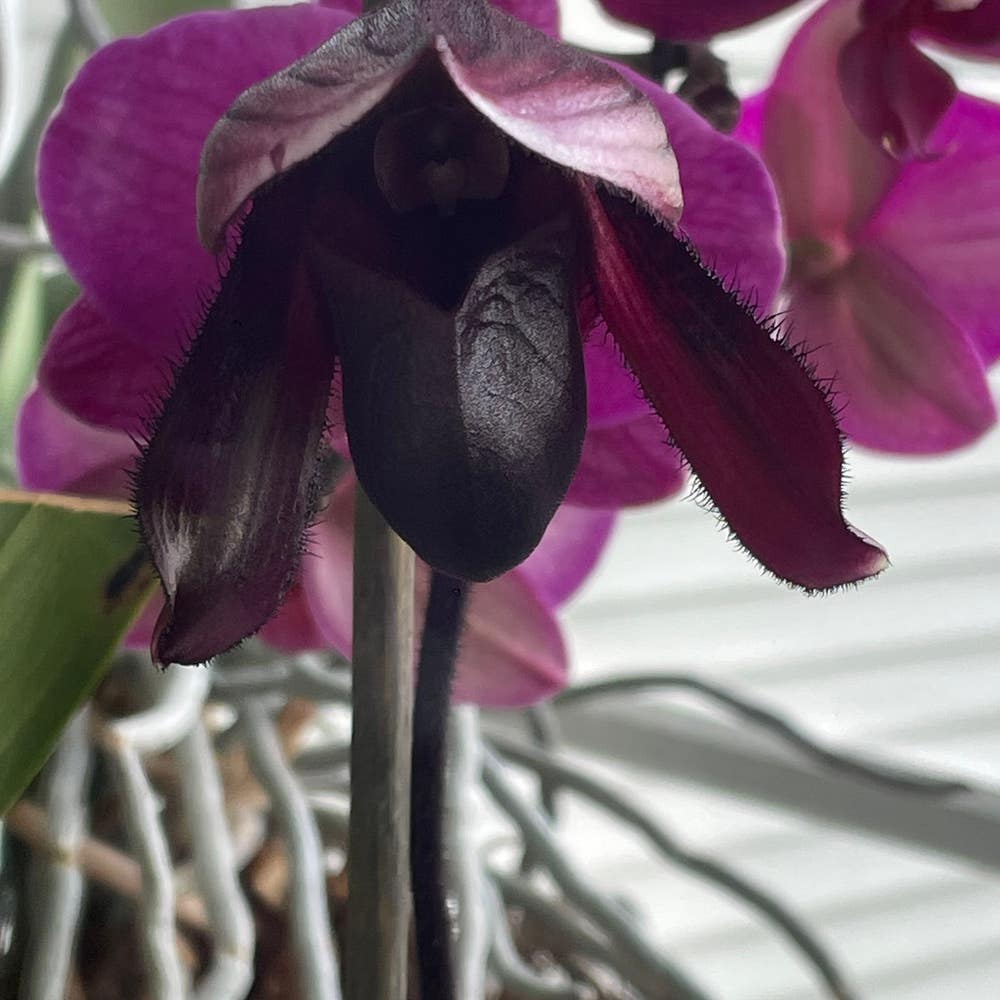
How to Fertilize Your Paphiopedilum 'Hawaiian Fancy'
Paphiopedilum 'Hawaiian Fancy'
By the Greg Editorial Team
Apr 06, 2024•3 min read
This article was created with the help of AI so we can cover more plants for you. May contain errors. See one? Report it here.
Nourish your 'Hawaiian Fancy' to vibrant health and blooms with our expert fertilization tips! 🌺🌿
- Balanced fertilizers are key for 'Hawaiian Fancy' health and blooms.
- Fertilize during growth, reduce nitrogen for blooming phase.
- Watch for over-fertilization; yellow leaves and crusty soil signal trouble.
Choosing the Right Fertilizer for Your 'Hawaiian Fancy'
💪 Balanced Fertilizers and Their Benefits
Balanced fertilizers are the unsung heroes for your 'Hawaiian Fancy'. They pack a punch with equal parts nitrogen (N), phosphorus (P), and potassium (K), ensuring your orchid gets a well-rounded meal.
Nitrogen is crucial for root health; it's like the spinach in your orchid's diet, fostering strong growth below the soil line. But remember, moderation is key—too much nitrogen and you're looking at all leaves, no flowers.
🌸 Specialized Orchid Fertilizers
Tailored nutrients can make a world of difference for your 'Hawaiian Fancy'. These specialized concoctions cater to the unique dietary preferences of orchids, providing just the right balance for optimal health and stunning blooms.
When it comes to organic vs. synthetic fertilizers, it's a toss-up between slow-release, soil-enriching organics and the precision and potency of synthetics. Organic options are the long game, nurturing the soil ecosystem, while synthetics are the sprinters, delivering nutrients fast and furiously. Choose based on your orchid's needs and your own environmental ethos.
Timing is Everything: When to Fertilize
💪 Growth Phase Fertilizing
Your 'Hawaiian Fancy' is like a bodybuilder in growth mode—it craves nutrients. Spring marks the start of this phase. Look for signs like new leaves or a spike in root development. This is your cue: up the feeding frequency to match the plant's voracious appetite.
💐 Blooming Phase Fertilizing
As the growth phase winds down, it's time to switch gears. Your orchid is prepping for its show-stopping blooms. Reduce nitrogen levels to encourage the plant to focus on flowers, not foliage. Late summer into fall is typically when you'll adjust your fertilization schedule for this phase. Keep an eye on your 'Hawaiian Fancy'—it'll tell you when it's ready to shine.
Fertilizer Application: Doing it Right
💧 Dilution Dos and Don'ts
Mixing your fertilizer correctly is critical. It's like crafting a fine drink; precision matters. Over-concentration can lead to nutrient burn, while too weak a mix is hardly better than plain water. Always lean towards a weaker solution if unsure, following the label's instructions to a T.
🌱 Root Health and Fertilizer Contact
Roots first: they're the mouth of your 'Hawaiian Fancy'. Ensure the fertilizer reaches the root zone without overwhelming it. Avoid direct leaf contact to prevent damage. Foliar feeding can be beneficial but treat it like a delicate perfume—a light spritz, not a drenching.
Preventing and Addressing Over-Fertilization
🚩 Spotting the Telltale Signs
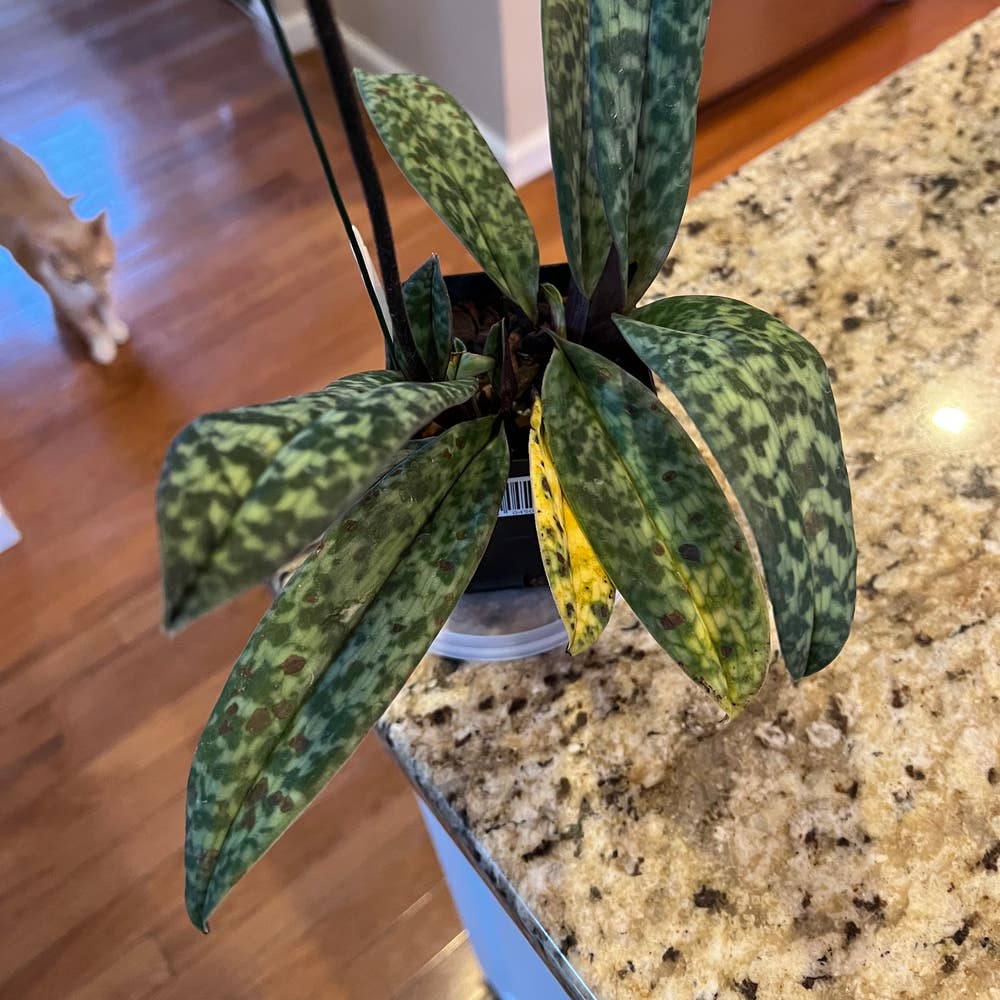
Yellowing leaves or a white crust on the soil are your 'Hawaiian Fancy' waving a white flag. Browning, blackening, or limp roots scream 'help!', and a sudden drop in blooms is your orchid's cry for an intervention. If the tips of the leaves are more burnt than toast, you've overstepped the fertilizer mark.
🛠 Quick Fixes for Fertilizer Fiascos
Caught your orchid in a nutrient nosedive? Stop fertilizing—full stop. Flush the soil with water to wash away excess fertilizer; think of it as hitting the reset button. If your orchid's roots look like they've been through a battle, consider repotting with fresh soil. This is the equivalent of moving to a new neighborhood for a fresh start. Skip the fertilizer for a while—your orchid needs a diet, not a feast.
⚠️ Safety First
This content is for general information and may contain errors, omissions, or outdated details. It is not medical, veterinary advice, or an endorsement of therapeutic claims.
Always consult a qualified healthcare professional before using any plant as food, medicine, or supplement.
Never eat any plant (or feed one to pets) without confirming its identity with at least two trusted sources.
If you suspect poisoning, call Poison Control (800) 222-1222, the Pet Poison Helpline (800) 213-6680, or your local emergency service immediately.
Spotted an error? Please report it here.
Nurture your 'Hawaiian Fancy' to full health and beauty by using Greg 🌿 to track the perfect fertilizing schedule, ensuring your orchid gets just what it needs without the fuss.