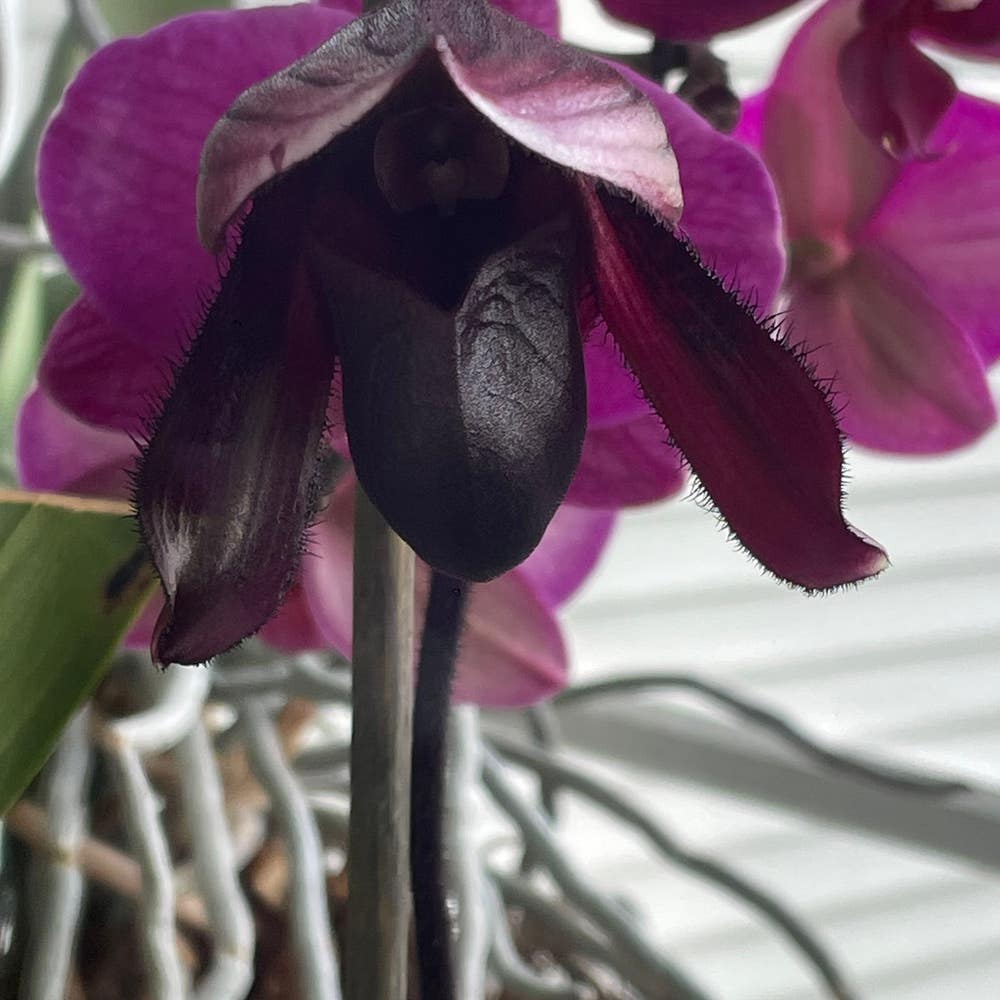
Brown Spots On Paphiopedilum 'Hawaiian Fancy' Leaves
Paphiopedilum 'Hawaiian Fancy'
By the Greg Editorial Team
Apr 06, 2024•4 min read
This article was created with the help of AI so we can cover more plants for you. May contain errors. See one? Report it here.
Prevent unsightly brown spots on your 'Hawaiian Fancy' 🌿 with early detection and smart care tips!
- Brown spots signal issues; early detection through regular inspection is vital.
- Fungal and bacterial infections cause spots; use fungicides and bactericides carefully.
- Adjust environment and practice good care to prevent and treat brown spots.
Spotting the Trouble: Identifying Brown Spots
🚨 Visual Symptoms
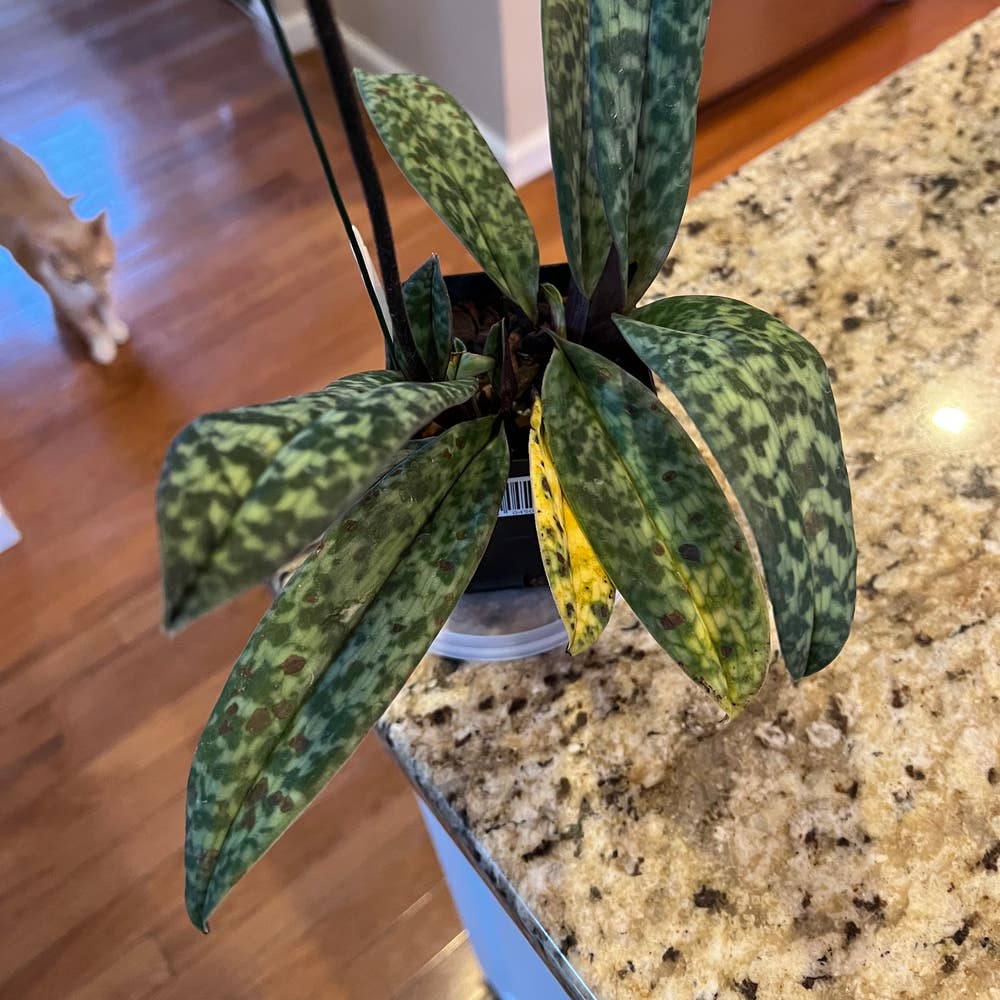
Brown spots on Paphiopedilum 'Hawaiian Fancy' leaves are alarm bells. They can appear as dry, crusty patches or soggy, dark lesions. A yellow halo might encircle the spot, signaling a need for action. Location matters; spots can be found from the leaf center to the edges, indicating different causes.
👀 Early Detection
Early detection is crucial. It's the difference between a quick fix and a potential orchid overhaul. Regularly inspect your orchid like a detective at a crime scene. Note any changes in leaf color or texture. Documenting these changes can be pivotal for the health of your 'Hawaiian Fancy'.
The Usual Suspects: Causes of Brown Spots
🍄 Fungal Foes
Fungi are the silent invaders of your Paphiopedilum 'Hawaiian Fancy'. These organisms can cause brown spots with distinct halos or rings, a clear sign of fungal activity. High humidity and poor air circulation are their best allies, creating the perfect conditions for a fungal fiesta on your orchid's leaves.
🦠 Bacterial Bullies
Bacterial infections are the stealthy adversaries of plant health, often leaving behind water-soaked or slimy spots with a yellow or red edge. These infections thrive in moist conditions and can spread rapidly, especially if you're generous with watering or if the plant's living quarters lack proper drainage.
🌿 Environmental Stress
Environmental factors are often the unsung villains in the tale of brown spots. Overwatering, excessive humidity, and poor air circulation can mimic the symptoms of infections, leading to false alarms. On the flip side, too much sun or extreme temperature fluctuations can also stress out your orchid, manifesting as brown spots on its otherwise perfect leaves.
Battling Brown Spots: Treatment Strategies
🛡️ Choosing Your Weapons: Fungicides and Bactericides
When brown spots invade your Paphiopedilum 'Hawaiian Fancy', it's time to arm yourself. Fungicides are your first line of defense against the fungal culprits. Opt for protectant fungicides as a preventative measure, and if the infection has already taken hold, bring out the systemic types. They're like a plant's internal armor, fighting the battle from within.
For bacterial blights, copper compounds and targeted bactericides are your allies. But wield them wisely; overuse can lead to the pathogens developing resistance. It's a delicate dance of precision and restraint—follow the label's instructions as if they were sacred texts.
⚙️ Adjusting the Environment
Sometimes, the best offense is a good defense. Adjusting your orchid's environment can be as effective as any chemical. Watering at the base during the early morning allows the sun to dry the foliage, reducing the risk of fungal parties. Keep the humidity in check; too much moisture is like an open invitation for fungal freeloaders.
Air circulation is crucial—think of it as giving your orchid some breathing room. A well-ventilated space can prevent pathogens from settling in. And don't forget about light and temperature; these are the cornerstones of a healthy orchid habitat. Fine-tune these elements to keep your Paphiopedilum 'Hawaiian Fancy' in fighting form, ready to resist the brown spot brigade.
Keeping Spots at Bay: Prevention Tactics
🌿 Cultural Practices
In the realm of orchid care, prevention is the MVP. To shield your Paphiopedilum 'Hawaiian Fancy' from the dreaded brown spots, start with a sterile stage. Use clean pots and fresh media; it's like giving your orchid a fresh canvas to paint its green glory.
Watering rituals matter. Hydrate thoughtfully, ensuring the medium dries out before the next watering. It's a delicate balance—too much moisture, and you're throwing a fungus fiesta; too little, and you're in drought territory.
🕵️ Regular Monitoring
Eyes on the prize—regular inspections are non-negotiable. Like a detective on a stakeout, watch for the slightest leaf discoloration or textural oddity. A care log can be your case file, tracking your orchid's life story and making it easier to spot when things go awry.
Airflow is your ally; it's the unsung hero in the fight against fungal foes. Ensure your orchid's space isn't stifling; good circulation can be the difference between pristine leaves and a spotty situation.
Remember, consistency is key. Like a barista perfecting their coffee craft, apply the same care and attention to your orchid's needs. Spot a problem? Adjust your tactics with the precision of a DJ on the decks. Keep the rhythm, and your orchid will thank you with spotless leaves.
⚠️ Safety First
This content is for general information and may contain errors, omissions, or outdated details. It is not medical, veterinary advice, or an endorsement of therapeutic claims.
Always consult a qualified healthcare professional before using any plant as food, medicine, or supplement.
Never eat any plant (or feed one to pets) without confirming its identity with at least two trusted sources.
If you suspect poisoning, call Poison Control (800) 222-1222, the Pet Poison Helpline (800) 213-6680, or your local emergency service immediately.
Spotted an error? Please report it here.
Ensure your Paphiopedilum 'Hawaiian Fancy' remains immaculate 🌿 with Greg's tailored environment tracking and care reminders, keeping those pesky brown spots at bay.