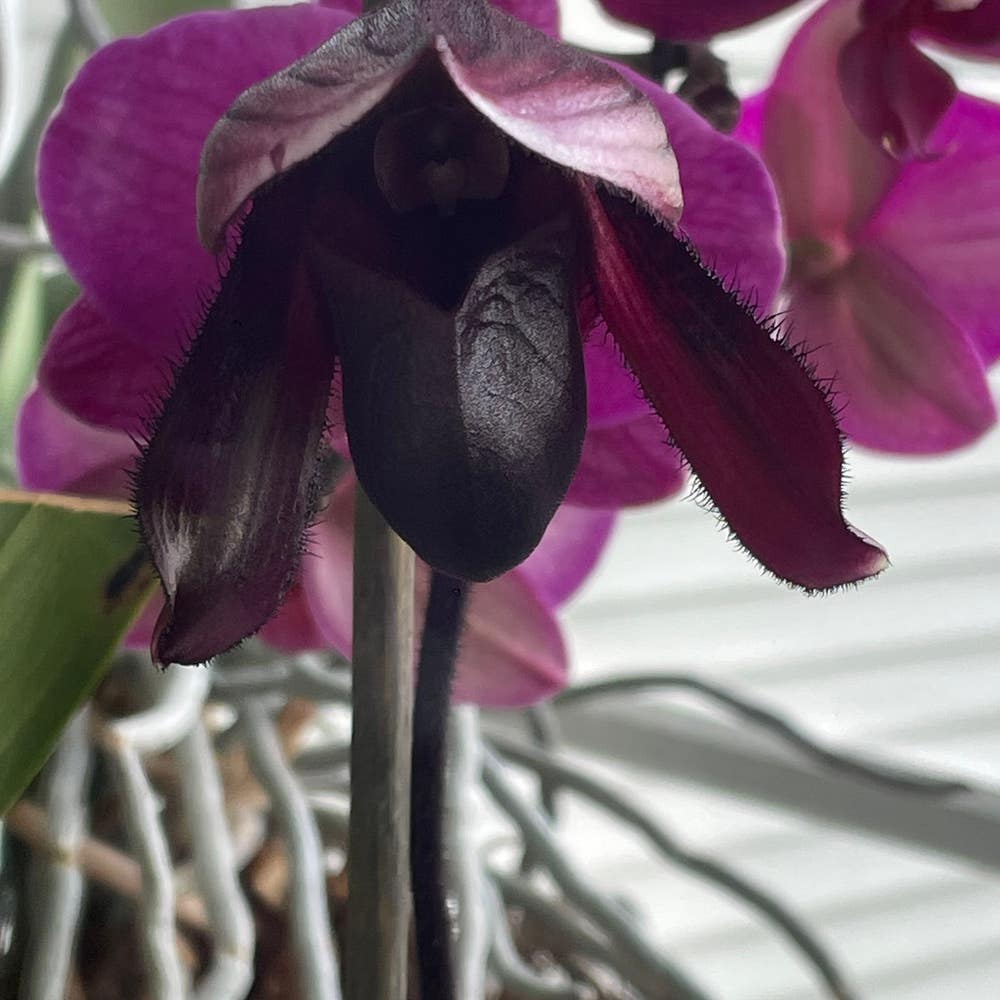
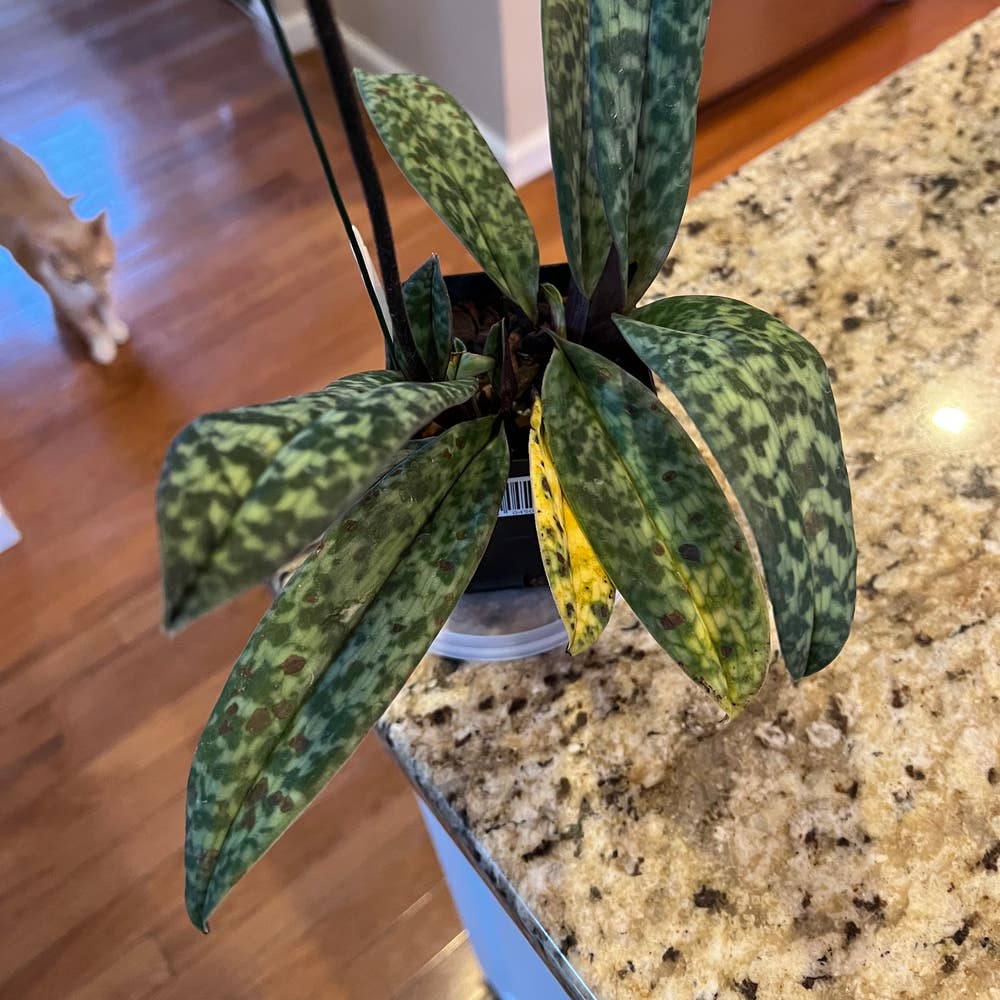
Why Are My Paphiopedilum 'Hawaiian Fancy' Leaves Dropping?
Paphiopedilum 'Hawaiian Fancy'
By the Greg Editorial Team
Apr 06, 2024•3 min read
This article was created with the help of AI so we can cover more plants for you. May contain errors. See one? Report it here.
Solve the leaf-drop puzzle 🍂 of your 'Hawaiian Fancy' for a healthier, blooming orchid!
- Over/underwatering and poor drainage lead to leaf drop.
- 🌡️ Stable temperature and humidity are crucial for plant health.
- 🐛 Inspect and protect against pests regularly.
Spotting the Signs: When Your 'Hawaiian Fancy' Is Unhappy
🍂 Recognizing Leaf Drop Symptoms
Leaves yellowing, wilting, or dropping fast? Your 'Hawaiian Fancy' is crying out for help. While a steady pattern of leaf loss might be normal, erratic leaf drop screams trouble. Don't ignore these signals; they're your first clue to intervene.
🍃 The Impact of Leaf Loss
Leaf drop can hit your 'Hawaiian Fancy' hard. It's not just about aesthetics; the plant's overall health and its ability to flower are at stake. A leaf here and there is no big deal, but when your plant starts shedding like a dog in summer, it's time for action.
Unraveling the Mystery: Common Culprits Behind Leaf Drop
💧 Water Woes: Overwatering vs. Underwatering
Overwatering turns your 'Hawaiian Fancy' into an unwilling aquanaut, while underwatering leaves it gasping for a drink. Check the soil before watering—soggy means stop, bone dry means buy that plant a drink. Adjust your habits with the seasons; less in winter, more in summer.
🚰 Drainage Dilemmas
Poor drainage is like putting your plant's roots in a chokehold—they need to breathe too. Ensure your pot has holes in the bottom, and if the soil clings to water like a needy ex, it's time for a mix that's more aloof.
🌡️ Climate Challenges: Temperature and Humidity
Your 'Hawaiian Fancy' isn't asking for a tropical vacation—just consistent warmth and humidity. Avoid the drama of temperature swings and give it a stable environment. Think steady, not a thermostat that's more unpredictable than your last date.
🐜 The Tiny Terrors: Pest Infestations
Pests are the uninvited party crashers. Regularly inspect your plant for freeloaders like aphids or snails. If you spot them, it's time for eviction—gentle washes or insecticidal soap should do the trick. Remember, an ounce of prevention is worth a pound of cure.
Turning Over a New Leaf: Solutions and Prevention
💧 Fine-Tuning Watering Habits
Watering your Paphiopedilum 'Hawaiian Fancy' is less about sticking to a calendar and more about responding to its needs. Here's how to nail it:
- Check the soil before watering—dry? Go ahead.
- Water in the morning, so leaves have time to dry out, sidestepping fungal shindigs.
- Use room temperature water to avoid shocking the roots.
- Ensure water reaches the roots but doesn't leave them swimming.
🏡 Upgrading Your Plant's Living Quarters
Choosing the right home for your 'Hawaiian Fancy' is crucial. Here's the breakdown:
- Pot selection: Go for one with drainage holes. No compromises.
- Soil mix: Aim for a well-draining concoction. A mix of potting soil, perlite, and coarse sand usually does the trick.
🌿 Creating a Stable Home Environment
Your 'Hawaiian Fancy' craves consistency. Keep these pointers in mind:
- Temperature: Steady as she goes; avoid drafts and sudden changes.
- Humidity: Aim for that sweet spot—use a humidifier or pebble tray if you must.
🐜 Keeping Pests at Bay
Pests are party crashers. Don't let them ruin the vibe:
- Inspect new plants before introducing them to the group.
- Regular clean-ups: Wipe those leaves, check for freeloaders.
- Natural predators: Sometimes, a good bug can chase away a bad one.
Remember, your 'Hawaiian Fancy' is a living barometer of its environment. Keep the conditions right, and it'll reward you with resilience and beauty.
⚠️ Safety First
This content is for general information and may contain errors, omissions, or outdated details. It is not medical, veterinary advice, or an endorsement of therapeutic claims.
Always consult a qualified healthcare professional before using any plant as food, medicine, or supplement.
Never eat any plant (or feed one to pets) without confirming its identity with at least two trusted sources.
If you suspect poisoning, call Poison Control (800) 222-1222, the Pet Poison Helpline (800) 213-6680, or your local emergency service immediately.
Spotted an error? Please report it here.
Ensure your 'Hawaiian Fancy' stays leaf-lush 🍃 with Greg's personalized care plans that adapt to your home's unique environment for optimal plant health.