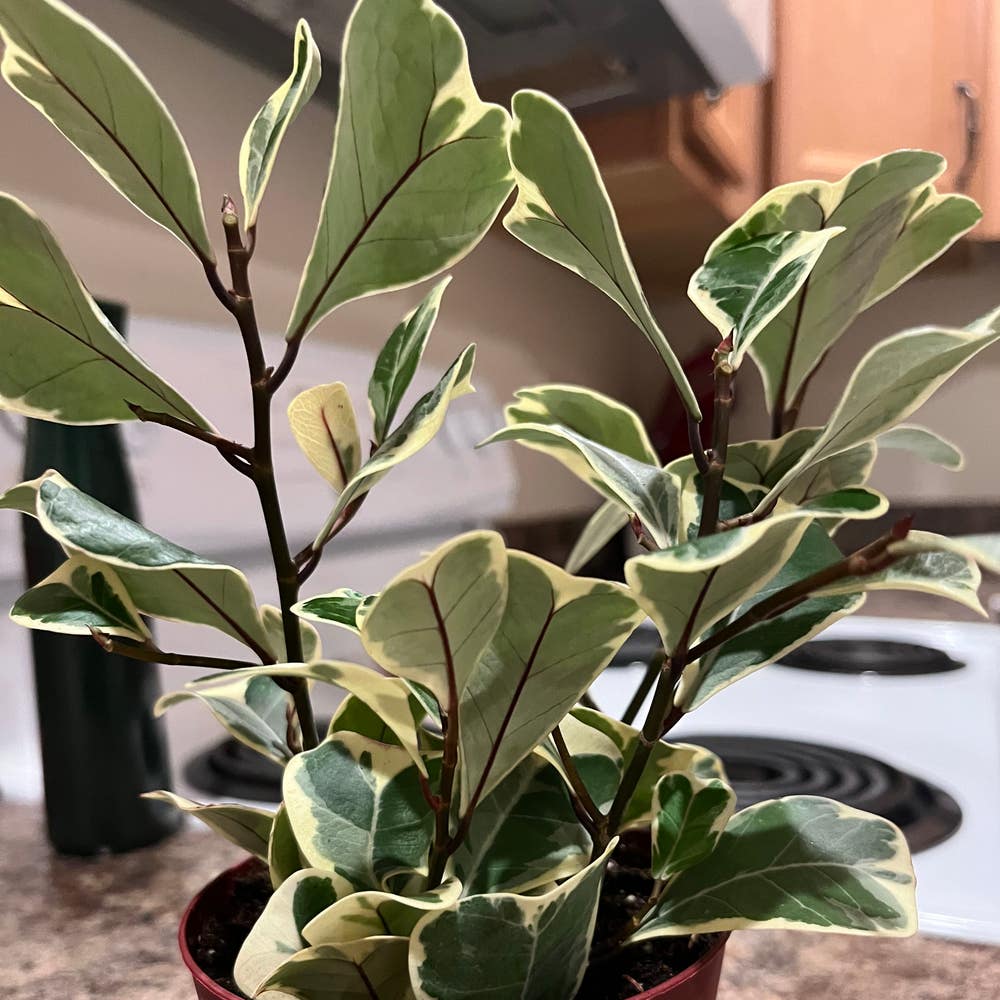
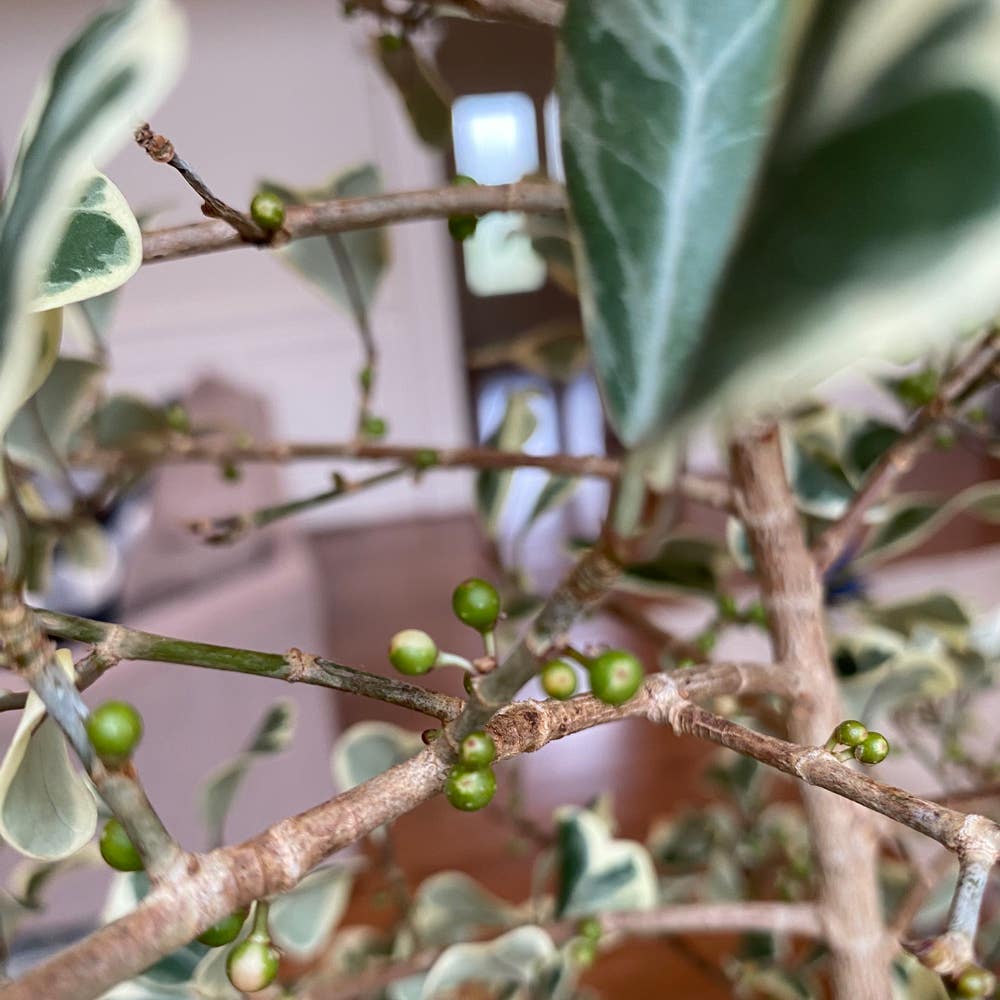
Ultimate Guide to What's Eating Your Variegated Triangle Fig 🐛
Ficus triangularis 'Variegata'
By the Greg Editorial Team
Sep 28, 2024•7 min read
This article was created with the help of AI so we can cover more plants for you. May contain errors. See one? Report it here.
Safeguard your Variegated Triangle Fig from pesky herbivores 🌿 with these expert tips for a flourishing garden ecosystem!
- 🦌 Identify herbivores like deer and rabbits to protect your Variegated Triangle Fig.
- 🌱 Monitor seasonal shifts in animal activity for timely deterrent strategies.
- 🐝 Encourage beneficial species to enhance biodiversity and control herbivore populations.
Signs and Damage by Common Herbivores
🦌 Deer
Signs of presence
Look for distinct hoof prints in the soil, which indicate deer activity. Additionally, dark, pellet-like droppings near your Variegated Triangle Fig can confirm their presence.
Type of damage
Deer can cause significant harm by stripping bark from the trunk and branches. They also nibble on leaves, which can severely affect the plant's health.
Interaction impact
The impact of deer is generally harmful, often leading to significant stress and decline in your plant. Their feeding habits can compromise the overall vigor of your Variegated Triangle Fig.
Deterrent methods
To keep deer at bay, consider installing 8-foot tall fencing around your plants. You can also use commercial deer repellents or homemade solutions like garlic spray to deter them.
🐇 Rabbits
Signs of presence
Rabbits leave behind clean cuts on young shoots, indicating they’ve been munching. You may also find small, round droppings scattered around the base of the plant.
Type of damage
These furry pests graze on young shoots, leading to stunted growth and reduced vigor. Their appetite can quickly decimate young plants if left unchecked.
Interaction impact
Rabbits are generally harmful to your Variegated Triangle Fig, especially during its early growth stages. Their feeding can severely hinder the plant's development.
Deterrent methods
To protect your plants, consider using netting to cover them and prevent rabbit access. Organic repellents, like predator urine, can also help keep these critters away.
🐿️ Squirrels
Signs of presence
Squirrels often leave evidence of their feeding habits, such as chewed branches on twigs and stems. You might also spot their nests in nearby trees.
Type of damage
These agile animals can disrupt your harvest by stealing ripe fruits before you get to them. They also cause bark damage through scratching and gnawing.
Interaction impact
Squirrels are generally harmful, as their activities can disrupt fruit production. Their presence can lead to a frustrating gardening experience.
Deterrent methods
To deter squirrels, use scare tactics like reflective objects or noise-makers. Live traps can also be effective for relocation if necessary.
🐦 Birds
Signs of presence
Frequent sightings of feathered visitors around your plant can indicate bird activity. Look for peck marks on fruits and leaves as further evidence.
Type of damage
Birds can peck at fruits, leading to a loss in both quality and quantity. Additionally, nesting activities can cause potential damage to your Variegated Triangle Fig.
Interaction impact
The impact of birds is mixed; while some are beneficial pollinators, others can cause significant damage. Understanding their role is crucial for managing your garden.
Deterrent methods
Using predator decoys can scare birds away effectively. Hanging shiny materials can also deter them, keeping your plants safe.
🐭 Rodents and Groundhogs
Signs of presence
Look for small burrows or pathways near your plant, indicating rodent activity. You may also find small, dark pellets around the base.
Type of damage
Rodents can gnaw on roots, leading to plant instability. Their extensive grazing can result in significant loss of foliage and stems.
Interaction impact
Generally harmful, rodents and groundhogs can severely affect the health of your Variegated Triangle Fig. Their feeding habits can lead to long-term damage.
Deterrent methods
Using snap traps or live traps can help manage rodent populations. Additionally, habitat modification—like reducing cover and food sources nearby—can deter them effectively.
Understanding the signs and types of damage caused by these common herbivores is essential for protecting your Variegated Triangle Fig. With the right deterrent methods, you can safeguard your plants while maintaining a healthy garden ecosystem.
Next, we’ll explore the beneficial animals that can enhance your garden’s health and biodiversity.
Beneficial Animals and Ecological Role
🐝 Pollinators: Nature's Helpers
The Variegated Triangle Fig attracts a variety of beneficial animals, particularly pollinators like bees and butterflies. These creatures play a crucial role in the plant's reproduction, ensuring vibrant growth and fruit production.
🐞 Natural Pest Control
In addition to pollinators, predatory insects also find their way to the Variegated Triangle Fig. These natural pest controllers help keep herbivore populations in check, reducing the risk of damage to your plants.
🌱 Enhancing Biodiversity
By attracting these beneficial species, the Variegated Triangle Fig enhances biodiversity in your garden. A diverse ecosystem is more resilient and can better withstand pests and diseases.
🌼 Promoting Healthy Plant Growth
The presence of pollinators and natural pest controllers promotes healthy plant growth. Pollination leads to fruitful yields, while pest management ensures that your plants remain vigorous and thriving.
Incorporating these beneficial animals into your gardening strategy not only supports the Variegated Triangle Fig but also creates a balanced ecosystem. This balance is essential for long-term garden health and sustainability.
As we explore general strategies for protecting your plants, consider how these beneficial interactions can be nurtured alongside deterrent methods.
General Strategies for Protection
🛡️ Preventive Measures for Protecting Variegated Triangle Fig
Regular monitoring is essential for keeping your Variegated Triangle Fig healthy. Check for signs of herbivores and assess plant health frequently.
Strategic planting can also deter unwanted visitors. Position your plants in ways that make them less accessible to common herbivores.
⚠️ Reactive Solutions for Managing Animal Interactions
When you notice damage, an immediate response is crucial. Addressing issues as soon as they arise can prevent further harm to your plant.
Consider integrated pest management (IPM) as a comprehensive approach. This method combines various strategies for effective control, ensuring your plant remains protected.
🌱 Balancing Deterrents with Ecological Benefits
Using non-lethal methods encourages coexistence with wildlife. This approach not only protects your plants but also fosters a healthier ecosystem.
Understanding the role of herbivores is vital. They can contribute positively to the environment, so finding a balance is key to maintaining plant health while respecting wildlife.
By implementing these strategies, you can safeguard your Variegated Triangle Fig while promoting a thriving garden ecosystem. Next, let’s explore seasonal considerations that affect animal interactions with your plants.
Seasonal Considerations
🐾 Seasonal Variations in Animal Attraction
The Variegated Triangle Fig experiences distinct seasonal shifts in animal activity.
In spring, as the plant bursts into growth, herbivores become more active, drawn to the tender, young shoots.
⏰ Timing of Plant Vulnerability
This new growth is particularly appealing, making it a prime target for hungry animals.
By fall, the focus shifts to the fruits and seeds, attracting a variety of creatures eager for a tasty snack.
🔑 Key Vulnerability Periods
- New Growth: Early spring sees the emergence of delicate shoots, which are especially vulnerable to grazing.
- Fruiting: Late summer and fall bring ripe fruits that can be quickly devoured by various animals.
Understanding these seasonal patterns can help you protect your Variegated Triangle Fig effectively.
By anticipating when herbivores are most likely to visit, you can implement timely deterrent strategies to safeguard your plant.
Toxicity and Animal Interactions
Mild Toxicity Overview 🌿
The Variegated Triangle Fig has mild toxic properties that can deter some herbivores. This natural defense mechanism helps protect the plant from excessive grazing.
Implications for Herbivore Interactions 🦌
Understanding the toxicity levels is crucial for managing animal interactions. Some animals, like deer and rabbits, may avoid the plant due to its mild toxicity, while others might not be affected at all.
Balancing Plant Health and Wildlife ⚖️
It's essential to find a balance between maintaining plant health and coexisting with wildlife. While the toxicity can deter certain herbivores, it’s important to monitor which animals are still drawn to the plant.
Observations on Wildlife Behavior 🐿️
You might notice that some animals, like squirrels, seem unfazed by the plant's toxicity. This highlights the need for a tailored approach to protect your Variegated Triangle Fig while fostering a healthy ecosystem.
Conclusion 📚
By understanding the toxicity of the Variegated Triangle Fig, you can make informed decisions about how to protect your plant. This knowledge empowers you to create a thriving garden that respects both plant health and wildlife interactions.
Next, let’s explore general strategies for protecting your Variegated Triangle Fig from herbivores.
⚠️ Safety First
This content is for general information and may contain errors, omissions, or outdated details. It is not medical, veterinary advice, or an endorsement of therapeutic claims.
Always consult a qualified healthcare professional before using any plant as food, medicine, or supplement.
Never eat any plant (or feed one to pets) without confirming its identity with at least two trusted sources.
If you suspect poisoning, call Poison Control (800) 222-1222, the Pet Poison Helpline (800) 213-6680, or your local emergency service immediately.
Spotted an error? Please report it here.
Safeguard your Variegated Triangle Fig from pesky herbivores 🦌 with Greg's custom alerts and effective deterrent tips, ensuring your plant flourishes in a thriving ecosystem!