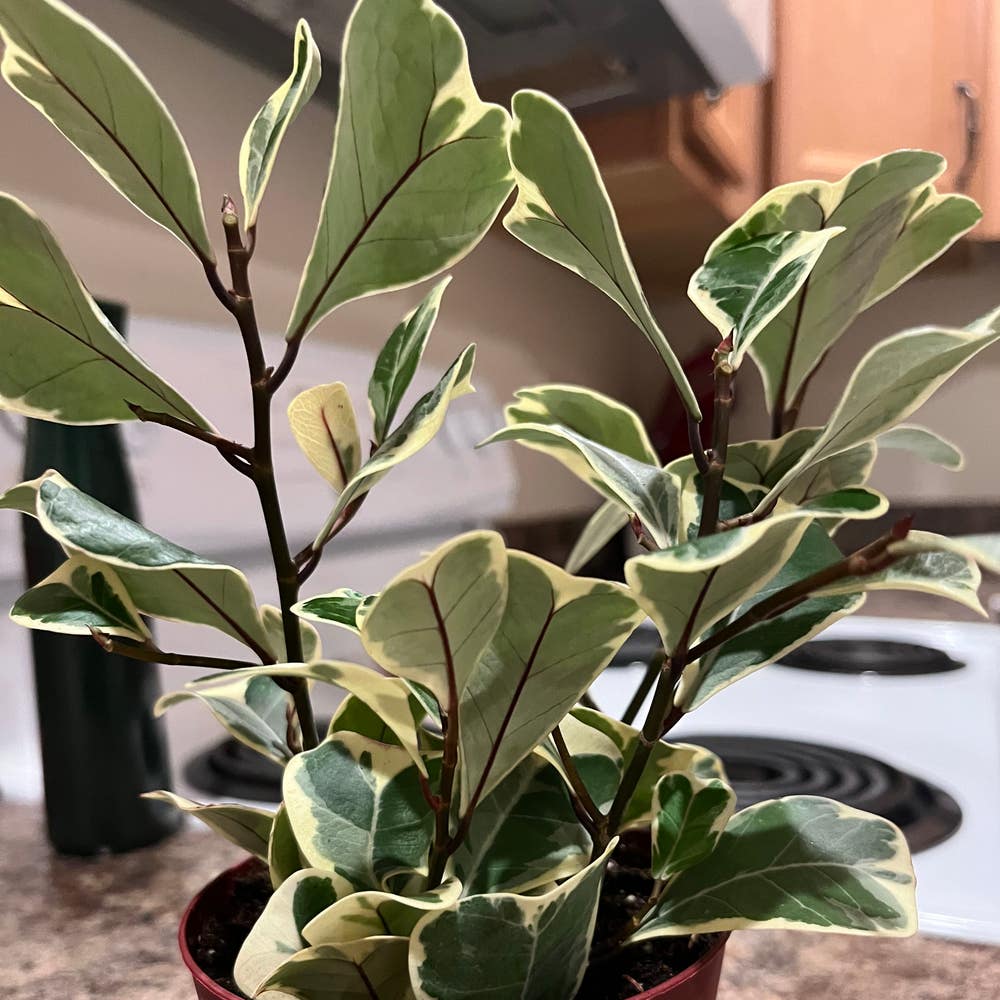
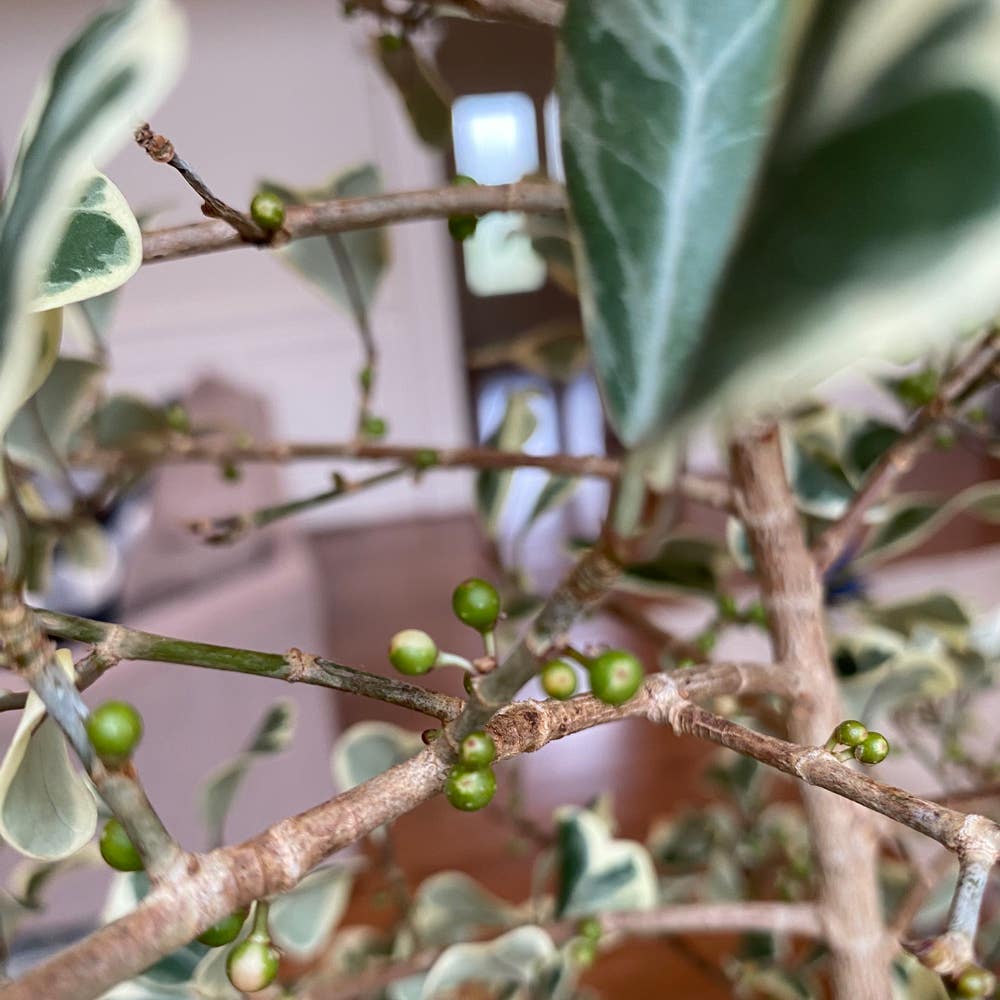
The #1 Top Companion Plant for Variegated Triangle Fig 🔺
Ficus triangularis 'Variegata'
By the Greg Editorial Team
Sep 28, 2024•5 min read
This article was created with the help of AI so we can cover more plants for you. May contain errors. See one? Report it here.
Boost your Variegated Triangle Fig's health and beauty with perfect companion plants! 🌱
- 🌱 Spider Plant and Pothos are ideal companions for Variegated Triangle Fig's needs.
- 🌼 Peace Lily enhances aesthetics and filters air, benefiting your indoor garden.
- 🚫 Avoid cacti and aggressive herbs to ensure healthy growth for your fig.
Best Companion Plants for Variegated Triangle Fig
🌱 Spider Plant
The Spider Plant is a fantastic companion for the Variegated Triangle Fig. It thrives in warm, humid conditions, making it a perfect match for your fig's needs.
This plant is also celebrated for its air-purifying qualities. Its lush, green foliage provides a striking contrast to the variegated leaves of the fig, enhancing the overall aesthetic.
🤝 Why They Thrive Together
Both plants share similar care requirements, including humidity, light, and temperature. This compatibility ensures they can flourish side by side without stress.
🌿 Pothos
Pothos is another excellent choice for companion planting. Its adaptability to various light conditions makes it versatile and easy to care for.
Additionally, Pothos acts as a natural pest deterrent due to its strong scent. The trailing vines of Pothos beautifully complement the upright growth of the Variegated Triangle Fig.
🤝 Why They Thrive Together
Like the Spider Plant, Pothos shares the same humidity, light, and temperature needs. This alignment allows both plants to thrive in harmony, creating a vibrant indoor garden.
🌸 Peace Lily
The Peace Lily is a stunning companion plant that prefers similar humidity levels and indirect light. Its beautiful white flowers add a touch of elegance to your plant collection.
Moreover, the Peace Lily is known for filtering indoor air pollutants, contributing to a healthier living environment.
🤝 Why They Thrive Together
Both the Peace Lily and Variegated Triangle Fig require similar care in terms of humidity, light, and temperature. This shared preference makes them ideal companions in any indoor setting.
Incorporating these companion plants not only enhances the beauty of your Variegated Triangle Fig but also promotes a healthier ecosystem. As you explore the next section on pest management, consider how these plants can work together to create a balanced environment.
Pest Management through Companion Planting
Companion planting isn't just about aesthetics; it plays a crucial role in pest management. By strategically pairing plants, you can create a balanced ecosystem that naturally deters pests.
🌱 Creating a Balanced Ecosystem
Companion plants work together to form a protective barrier against pests. They can attract beneficial insects while repelling harmful ones, reducing the need for chemical pesticides.
🦟 Natural Repellents
Many companion plants act as natural repellents. They release compounds that deter pests, keeping your Variegated Triangle Fig healthy and thriving.
🕷️ Spider Plant
The Spider Plant is a powerhouse in pest management. It effectively deters common houseplant pests, making it an excellent companion for your fig.
🌿 Pothos
Pothos brings more than just beauty to the table. Its strong scent can repel flies, helping to keep your indoor garden pest-free.
🌸 Peace Lily
The Peace Lily is not just a pretty face. It's known to deter pests like mealybugs, adding another layer of protection for your plants.
By incorporating these companion plants, you can enhance your pest management strategy naturally. This approach not only protects your Variegated Triangle Fig but also contributes to a healthier indoor environment.
Next, let’s explore how these companion plants can elevate the visual appeal of your space.
Visual Appeal and Aesthetic Considerations
🌼 Enhancing Visual Appeal with Companion Plants
Companion plants do more than just coexist; they elevate the overall aesthetic of your space. The interplay of colors and textures creates a vibrant atmosphere that draws the eye.
🌳 Creating Depth with Layered Looks
Layering different plants adds depth to your arrangement. This technique makes your Variegated Triangle Fig stand out while providing a lush backdrop.
🎨 Color and Texture Combinations
The contrast between the variegated leaves of the Triangle Fig and its companions is striking. For instance, the rich greens of a Spider Plant or the trailing vines of Pothos can create a stunning visual effect.
🌸 The Impact of White Flowers
Incorporating plants like the Peace Lily introduces beautiful white flowers. These blooms not only add elegance but also serve as a focal point against the greenery.
🎉 Final Thoughts on Aesthetic Harmony
Choosing the right companion plants can transform your indoor garden into a visual masterpiece. By considering color and texture, you can create an inviting space that feels both dynamic and harmonious.
As you explore these combinations, you’ll find that the right companions can enhance not just the beauty but also the overall health of your plants. Next, let’s delve into how these companions can help with pest management.
Plants to Avoid
When caring for your Variegated Triangle Fig, it's crucial to know which plants to steer clear of. Some companions can hinder its growth or lead to competition for resources.
🌵 Cacti and Succulents
These plants thrive in dry conditions and can compete for moisture. Their water needs clash with the Variegated Triangle Fig's preference for humidity.
🌿 Ficus Elastica
This popular houseplant can overshadow your fig by competing for light and nutrients. Its robust growth may stifle the delicate balance your fig needs to flourish.
🌱 Certain Herbs like Mint
While herbs can be great companions, mint is particularly aggressive. Its rapid growth can overshadow the Variegated Triangle Fig, leading to an imbalance in your indoor garden.
⚠️ Reasons for Incompatibility
The main issues arise from differing water and light requirements. When plants compete for resources, it can lead to stress and poor growth for your Variegated Triangle Fig.
Understanding these incompatibilities helps you create a thriving indoor ecosystem. By avoiding these plants, you ensure your fig has the best chance to thrive alongside its chosen companions.
Next, let’s explore how companion plants can enhance pest management in your indoor garden.
⚠️ Safety First
This content is for general information and may contain errors, omissions, or outdated details. It is not medical, veterinary advice, or an endorsement of therapeutic claims.
Always consult a qualified healthcare professional before using any plant as food, medicine, or supplement.
Never eat any plant (or feed one to pets) without confirming its identity with at least two trusted sources.
If you suspect poisoning, call Poison Control (800) 222-1222, the Pet Poison Helpline (800) 213-6680, or your local emergency service immediately.
Spotted an error? Please report it here.
Transform your indoor garden into a thriving oasis 🌱 by pairing your Variegated Triangle Fig with companions like Spider Plants and Peace Lilies, and let Greg guide you with tailored care tips for ultimate success!