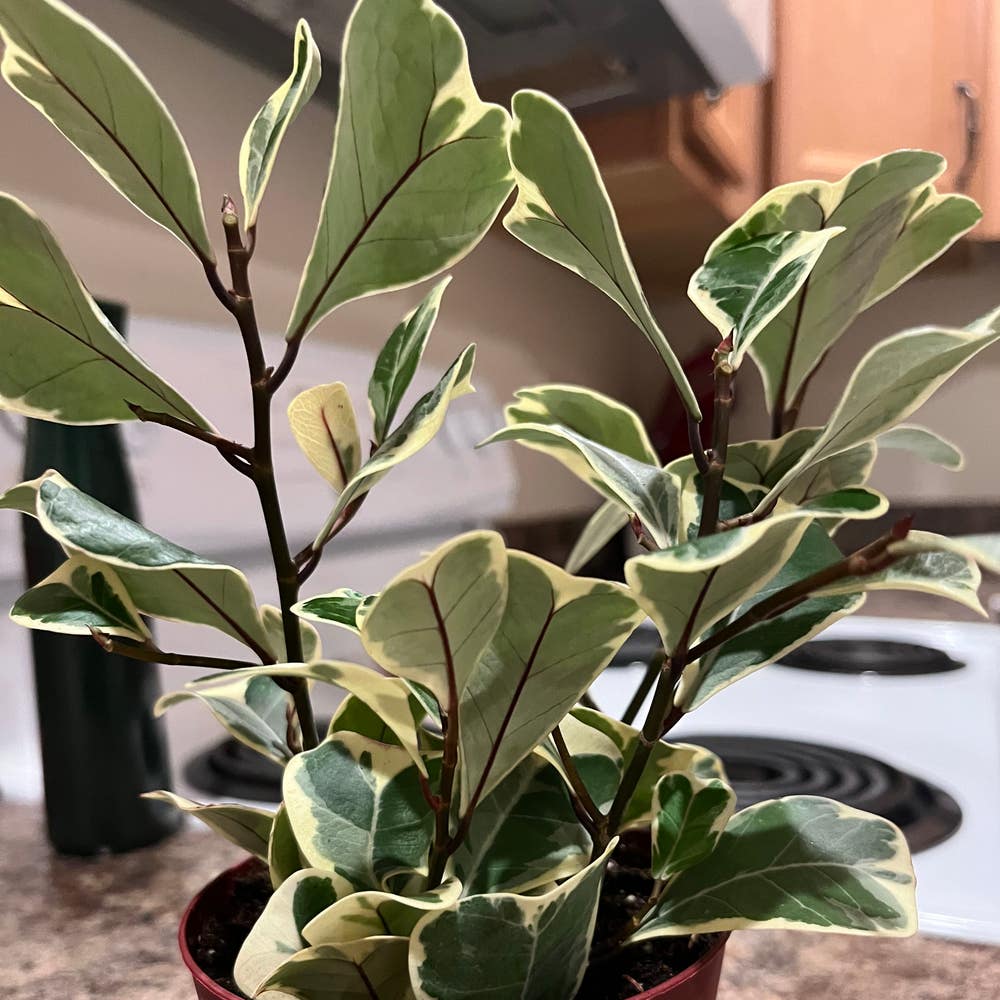
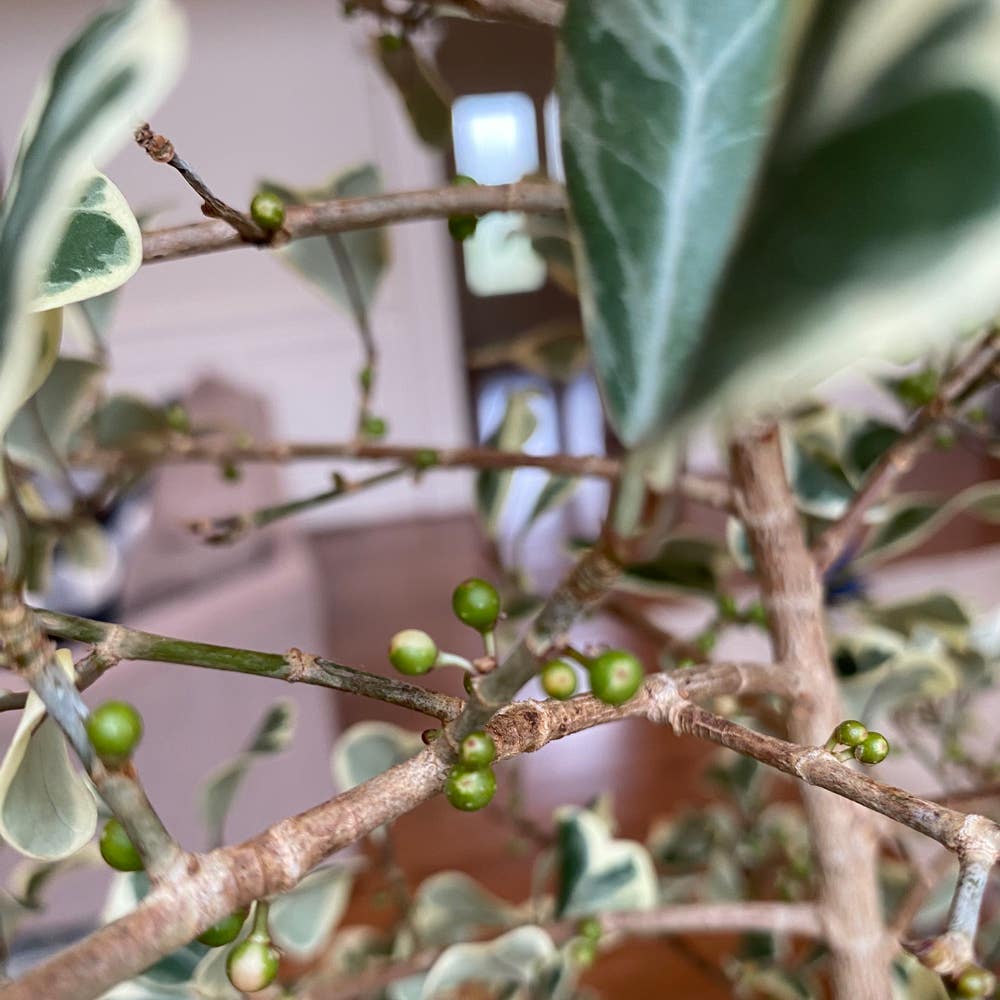
Why Are My Ficus triangularis 'Variegata' Leaves Droopy?
Ficus triangularis 'Variegata'
By the Greg Editorial Team
Jun 18, 2024•4 min read
This article was created with the help of AI so we can cover more plants for you. May contain errors. See one? Report it here.
Perk up your Ficus with secrets to banish droopiness and ensure leafy bliss! 🌿🔍
- 🌊 Overwatering causes yellowing, underwatering leads to crispy leaves.
- 🌡️ Stable temperatures and light are crucial for Ficus health.
- 💧 Water when top inch of soil is dry; adjust with seasons.
Spotting the Signs of Distress
💧 Overwatering Woes
Yellowing leaves might be your plant's way of saying, "I'm drowning here!" If the soil feels like a wet sponge days after watering, it's a clear sign of overindulgence. Root rot is the next stage of this soggy saga, with roots turning as dark and mushy as overcooked noodles.
🏜️ Underwatering Unveiled
When your plant's leaves droop like they've been hit with bad news, it's time to up the H2O. If the soil is shying away from the pot edges like a bad fit, it's a cry for water. Leaves that are crispy to the touch are not just sun-kissed; they're downright thirsty.
🌞 Light and Temperature Tantrums
Leaves that could double as potato chips might be getting too much sun. Conversely, leaves that feel like a cold, mushy salad could be suffering from a chill. Stable temperatures and a happy medium of light are what your Ficus triangularis 'Variegata' is craving.

First Aid for Ficus: Immediate Relief for Droopy Leaves
💧 Fine-Tuning Your Watering Technique
Watering: it's a plant's lifeline, but also its Achilles' heel. Too much love in the form of water, and you're looking at a soggy disaster. Too little, and your Ficus triangularis 'Variegata' might as well be in a desert. Here's the deal: only water when the top inch of soil feels dry. Use your finger, a wooden dowel, or a moisture meter—whatever floats your boat, just make sure it's accurate.
🛠 Tools and Tricks for Moisture Mastery
- Moisture meters are your high-tech pals, but don't forget the low-tech touch-test.
- Water with room-temperature water until it runs free from the drainage holes, then bid farewell to any excess in the saucer.
- Consistency is key. Keep a schedule, but stay flexible—your plant's thirst changes with the seasons.
🌞 Light and Temperature Tweaks
Finding the Sweet Spot for Sunlight and Shade
Your Ficus is a Goldilocks at heart: it craves that "just right" spot. Bright, indirect light is its jam. Direct sunlight? That's a leaf-burning nightmare. Keep it cozy, not roasting, and you'll avoid those temperature-induced tantrums.
Keeping the Chill Out and the Cozy In
- Drafts are the enemy. Keep your plant away from cold blasts and scorching heaters.
- Stable temperatures make for happy leaves. Think steady, not fluctuating like a yo-yo.
Remember, your Ficus is a bit of a drama queen. Sudden changes in watering, light, or temperature will have it dropping leaves faster than a pop star drops singles. Keep it stable, keep it consistent, and you'll be on your way to droop-free foliage.

The Long Game: Keeping Your Ficus Firm and Perky
💧 Crafting the Perfect Watering Schedule
Your Ficus triangularis 'Variegata' craves consistency. To prevent droopiness, sync your watering to its life rhythm. During growth periods in spring and summer, it's thirsty work—water more frequently. As autumn leaves fall and winter whispers, your plant's water needs diminish. Dial back accordingly.
Remember, the soil is your truth-teller. Before reaching for the watering can, do the finger test—plunge into the soil up to your second knuckle. If it's dry, it's time to hydrate. If damp, step away from the plant.
🌞 Consistent Comfort: Light and Temperature Stability
Light is the lifeblood of your Ficus. It thrives in bright, indirect sunlight. Too much direct sun can scorch leaves, while too little can lead to leaf loss. Rotate your plant weekly to ensure even growth, and consider grow lights if your home is more cave than conservatory.
Temperature is another pillar of plant happiness. Your Ficus is no fan of the cold shoulder or a hot temper. Aim for a steady 65-75°F (18-24°C). Shield it from drafts and sudden temperature changes—think of it as wrapping your plant in a cozy blanket of predictability.

⚠️ Safety First
This content is for general information and may contain errors, omissions, or outdated details. It is not medical, veterinary advice, or an endorsement of therapeutic claims.
Always consult a qualified healthcare professional before using any plant as food, medicine, or supplement.
Never eat any plant (or feed one to pets) without confirming its identity with at least two trusted sources.
If you suspect poisoning, call Poison Control (800) 222-1222, the Pet Poison Helpline (800) 213-6680, or your local emergency service immediately.
Spotted an error? Please report it here.
Say goodbye to droopy leaves and hello to a thriving Ficus triangularis 'Variegata' with Greg's customized care reminders 🌱, ensuring perfect watering and light every time.