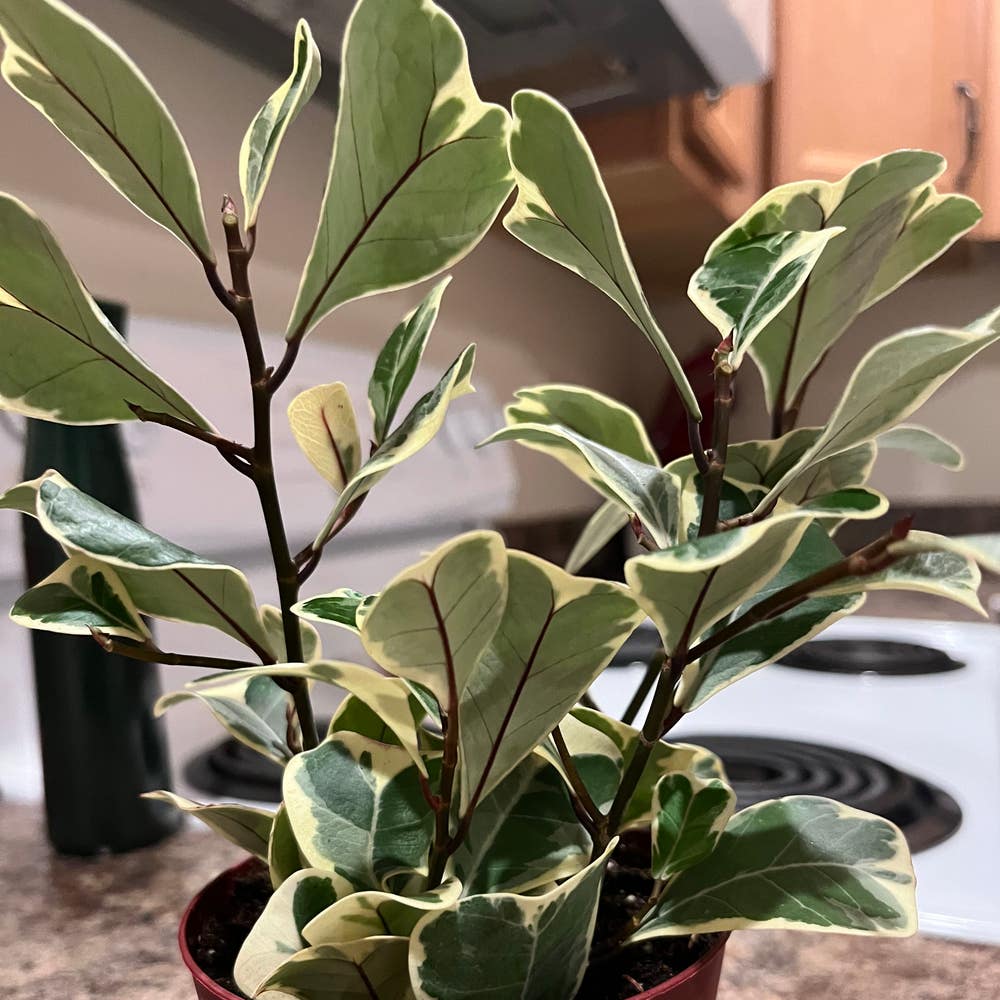
Ultimate Guide to Pollinating Variegated Triangle Fig 🐝
Ficus triangularis 'Variegata'
By the Greg Editorial Team
Sep 28, 2024•5 min read
This article was created with the help of AI so we can cover more plants for you. May contain errors. See one? Report it here.
Discover how the Variegated Triangle Fig's unique pollination boosts your garden's bounty! 🌼
- 🌼 Variegated Triangle Fig can self-pollinate, ensuring fruit production even in tough conditions.
- 🐝 Bees, butterflies, and wind are key pollinators, enhancing fig health and yield.
- 🌱 Hand pollination boosts fruit production when natural methods fall short.
Flower Structure
🌼 Characteristics
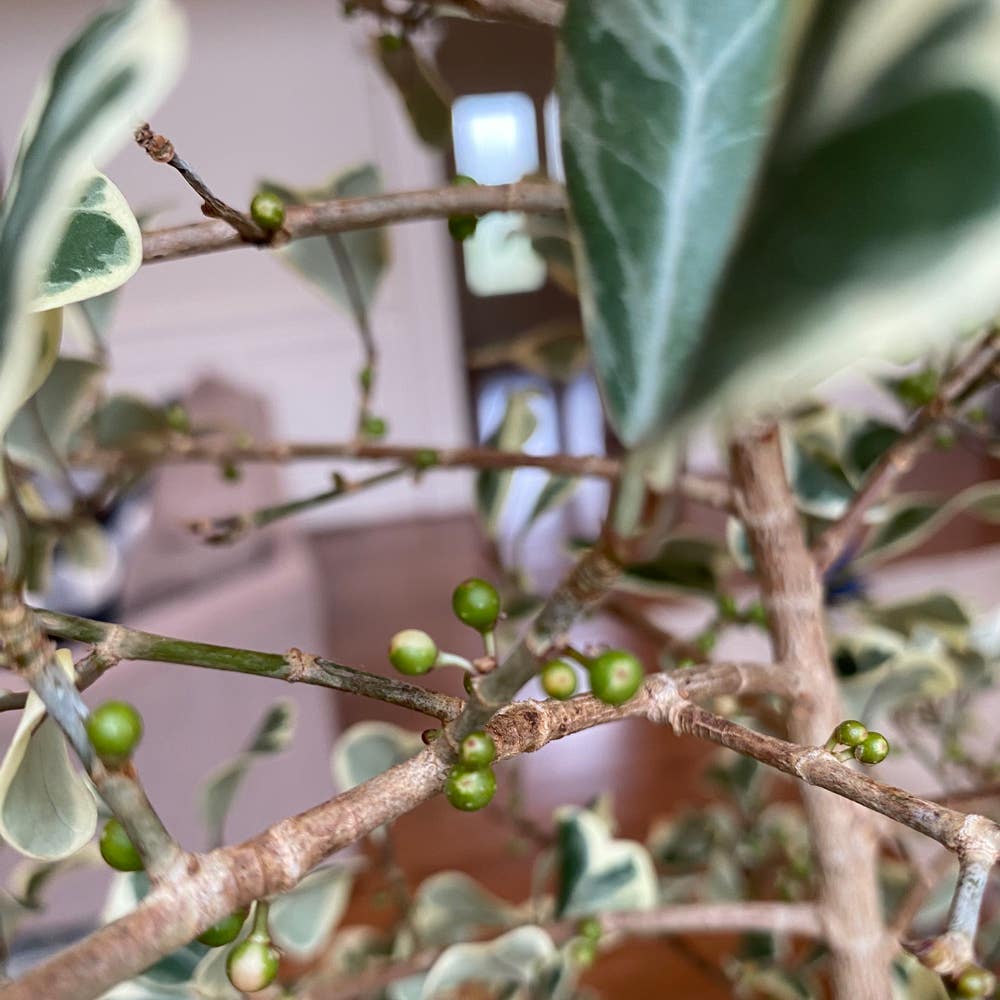
The flowers of the Variegated Triangle Fig are small and often hidden within the fruit itself. Their greenish-yellow color blends seamlessly with the foliage, making them less noticeable to the casual observer.
These flowers are clustered tightly within the fig fruit, which adds to their elusive nature. This unique arrangement plays a crucial role in the plant's reproductive strategy.
🐝 Role in Pollination
The flower structure of the Variegated Triangle Fig is designed to facilitate both self-pollination and cross-pollination. This adaptability ensures that the plant can reproduce effectively, even in varying environmental conditions.
Moreover, the anatomy of these flowers is vital for attracting pollinators. Their subtle scent and strategic placement within the fruit draw in insects and birds, enhancing the chances of successful pollination.
Understanding these characteristics not only highlights the fig's unique biology but also emphasizes the importance of preserving such plants in our ecosystems. As we explore the pollination process further, we’ll see how these flowers interact with their environment to ensure fruitful outcomes.
Pollination Process
Self-Pollination 🌱
The Variegated Triangle Fig has a fascinating ability to self-pollinate. This means that it can produce fruit without needing pollen from another plant, which is a significant advantage in less-than-ideal conditions.
However, relying solely on self-pollination may limit fruit production. Incorporating additional pollination methods can enhance yields and ensure a more robust harvest.
Cross-Pollination 🐝
While self-pollination is effective, cross-pollination plays a crucial role in the fig's reproductive success. Primary pollinators include bees, butterflies, moths, and hummingbirds, each contributing to the fig's ecosystem.
These pollinators are attracted through various mechanisms. The scent and color of the fig fruit draw them in, while the availability of nectar serves as a reward for their efforts. This symbiotic relationship is vital for the fig's growth and fruiting potential.
In summary, understanding both self-pollination and cross-pollination can significantly impact your gardening success. By fostering an environment that supports these processes, you can enjoy a bountiful harvest of Variegated Triangle Figs.
Natural Pollination
🌬️ Pollen Transfer Mechanisms
Pollination is a fascinating dance between nature's elements. In the case of the Variegated Triangle Fig, both wind and insects play crucial roles in transferring pollen.
Wind can carry pollen from one fig to another, especially when conditions are breezy. This natural mechanism ensures that pollen reaches female flowers, promoting fertilization.
Insects, particularly bees and butterflies, are vital players in this process. As they flit from flower to flower, they inadvertently pick up pollen and deposit it where it’s needed.
The interaction between these two mechanisms creates a robust system for pollination. Understanding this balance can help gardeners appreciate the importance of maintaining a healthy ecosystem around their fig trees.
By fostering an environment that supports both wind and insect activity, you can enhance the natural pollination process. This not only benefits your Variegated Triangle Fig but also contributes to the overall health of your garden.
Next, let’s explore how you can take an active role in pollination through hand pollination techniques.
Hand Pollination
Step-by-Step Instructions 🌱
Hand pollination can be a rewarding way to ensure your Variegated Triangle Fig produces fruit. Follow these steps to get started.
Identifying Male and Female Flower Parts 🔍
First, it's essential to know the flower anatomy. The male parts, called stamens, produce pollen, while the female parts, known as pistils, are where fertilization occurs.
Collecting Pollen 🧪
To collect pollen, gently tap or shake the male flowers. You can also use a small brush or cotton swab to gather the pollen without damaging the delicate structures.
Transferring Pollen ✋
Once you have collected the pollen, apply it to the pistils of the female flowers. A gentle touch is key; you want to ensure the pollen makes contact without harming the flower.
Timing for Successful Fertilization ⏰
Timing is crucial for effective hand pollination. Early morning or late afternoon, when temperatures are moderate, is the best time to perform this task.
By following these steps, you can enhance the chances of successful fertilization and enjoy a bountiful harvest from your Variegated Triangle Fig.
Next, let’s explore how to create a pollinator-friendly environment to support these beautiful plants.
Supporting Pollinators
🌼 Creating a Pollinator-Friendly Environment
Designing a garden that attracts pollinators is essential for the health of your Variegated Triangle Fig. Start by planting native species and flowering plants that thrive in your local climate.
These plants provide food and habitat for various pollinators. Additionally, ensure you have water sources, like shallow dishes or birdbaths, to keep them hydrated. Shelter, such as small brush piles or native grasses, also offers safe havens for these vital creatures.
🌸 Companion Plants
Companion planting can significantly enhance pollinator activity around your fig tree. Consider adding flowering plants like lavender, marigold, or bee balm, which are known to attract bees and butterflies.
These plants not only beautify your garden but also create a welcoming environment for beneficial pollinators. By fostering a diverse ecosystem, you can boost the overall health and productivity of your Variegated Triangle Fig.
Creating a pollinator-friendly space is a rewarding endeavor. It not only supports your plants but also contributes to the broader ecosystem. Next, let’s explore the challenges that can arise in the pollination process.
Pollination Challenges
Common Obstacles 🌍
Pollination success for the Variegated Triangle Fig can be hindered by various environmental factors. Temperature fluctuations and humidity levels can disrupt the delicate balance needed for effective pollination.
Another significant challenge is the decline in pollinator activity due to habitat loss. As natural habitats shrink, the number of bees, butterflies, and other essential pollinators diminishes, making it harder for your fig trees to thrive.
Solutions 💡
To enhance pollination success, consider using hand pollination when natural methods fall short. This technique can ensure that your plants receive the necessary pollen, especially in less-than-ideal conditions.
Additionally, adjusting garden conditions can significantly support pollinator activity. Creating a welcoming environment with native plants, water sources, and shelter can attract and sustain the pollinators your Variegated Triangle Fig needs to flourish.
With these strategies, you can overcome the challenges of pollination and enjoy a bountiful harvest. Next, let’s explore how to support pollinators effectively in your garden.
⚠️ Safety First
This content is for general information and may contain errors, omissions, or outdated details. It is not medical, veterinary advice, or an endorsement of therapeutic claims.
Always consult a qualified healthcare professional before using any plant as food, medicine, or supplement.
Never eat any plant (or feed one to pets) without confirming its identity with at least two trusted sources.
If you suspect poisoning, call Poison Control (800) 222-1222, the Pet Poison Helpline (800) 213-6680, or your local emergency service immediately.
Spotted an error? Please report it here.
Boost your fig harvest 🍈 by using Greg's personalized tips to create a pollinator-friendly garden that attracts bees and butterflies for optimal fruit production!