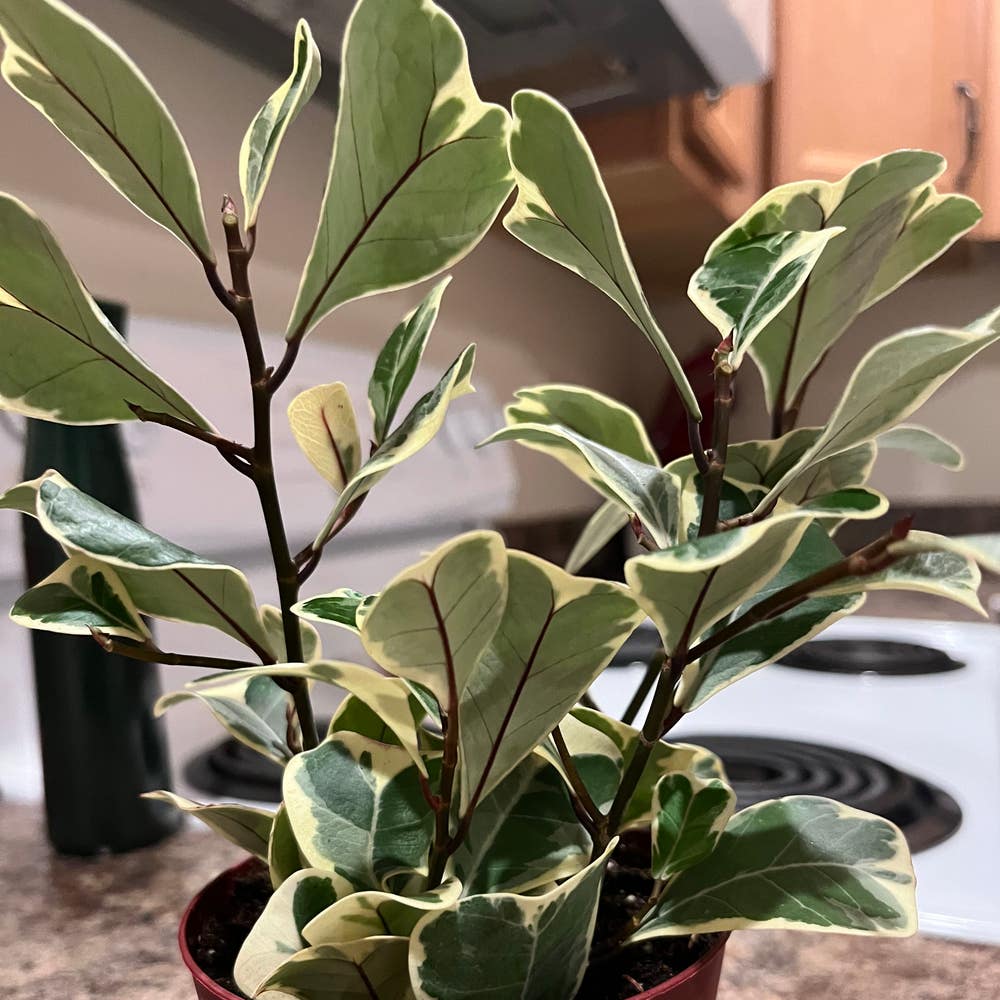
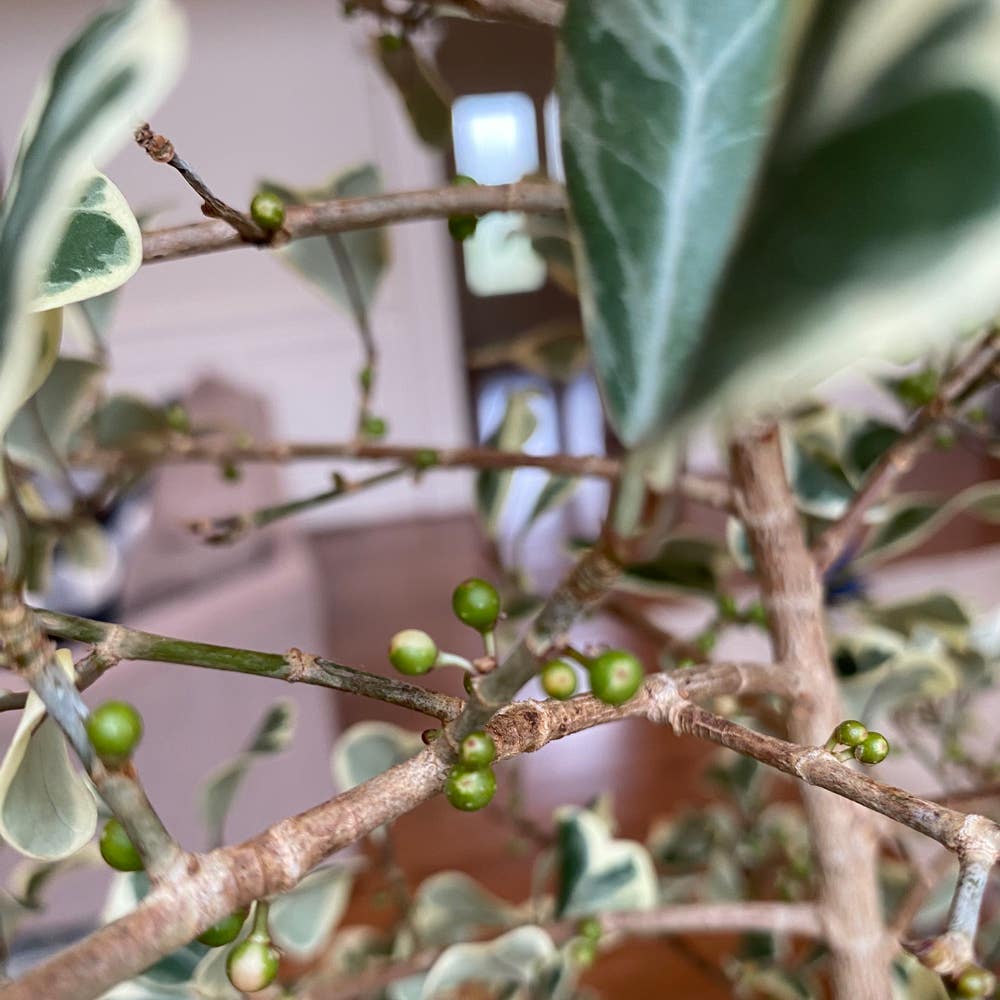
🔺 3 Secrets to Thriving Outdoor Variegated Triangle Fig
Ficus triangularis 'Variegata'
By the Greg Editorial Team
Sep 28, 2024•7 min read
This article was created with the help of AI so we can cover more plants for you. May contain errors. See one? Report it here.
Transform your variegated triangle fig into a stunning centerpiece with essential care tips for sunlight and watering! 🌞
- ☀️ Variegated triangle fig needs 6-8 hours of sunlight for optimal growth.
- 💧 Water when top 1-2 inches of soil are dry to prevent wilting.
- 🌱 Use well-draining soil and fertilize every 4-6 weeks for robust health.
Sunlight Needs
Ideal Sunlight Exposure 🌞
For your variegated triangle fig to thrive, it needs full sun—that’s about 6-8 hours of direct sunlight each day. However, if you live in an area with scorching heat, providing partial shade can protect the plant from sunburn.
Maintaining Leaf Coloration 🎨
Light plays a crucial role in maintaining the vibrant colors of your fig's leaves. Bright, indirect light is essential for preserving those stunning variegated patterns.
If you notice fading colors or leggy growth, it’s a sign your plant isn’t getting enough light. Adjusting its position can make a world of difference in keeping those leaves looking their best.
Understanding these sunlight needs will set the stage for your fig's overall health and beauty. Next, let’s dive into the watering requirements to keep your plant hydrated and happy.
Watering Requirements and Techniques
General Watering Guidelines 🌊
Watering your variegated triangle fig is crucial for its health. Aim to water when the top 1-2 inches of soil are dry, ensuring the plant receives adequate moisture.
Deep watering is essential to encourage strong root growth. A good rule of thumb is to provide 1-2 gallons of water per session.
Techniques for Effective Watering 💧
When it comes to watering methods, you have options. Drip irrigation is fantastic for providing consistent moisture, making it easier to maintain the right conditions.
On the other hand, hand watering allows you to observe your plant's health closely. This method can help you catch any issues early on.
Signs of Overwatering and Underwatering 🚨
It's important to recognize the signs of overwatering. Yellowing leaves and root rot are clear indicators that your plant is getting too much water.
Conversely, underwatering can lead to wilting and crispy leaf edges. Keeping an eye on these symptoms will help you maintain a healthy triangle fig.
With proper watering techniques, your plant will thrive and showcase its stunning variegation. Next, let’s explore the ideal soil preferences and amendments to further support your fig's growth.
Soil Preferences and Amendments
Ideal Soil Composition 🌱
For your variegated triangle fig to thrive, it needs well-draining soil. A mix of potting soil, perlite, and compost creates the perfect environment for healthy root development.
The pH level is also crucial. Aim for a slightly acidic to neutral range, specifically between pH 6.0 and 7.0, to ensure optimal nutrient absorption.
Soil Amendments 🧑🌾
Incorporating organic matter is essential. Adding compost not only improves soil structure but also boosts nutrient content, giving your plant the nourishment it craves.
To enhance drainage, consider adding sand or perlite. This will prevent waterlogging, which can lead to root rot and other issues.
With the right soil composition and amendments, your triangle fig will flourish. Next, let’s explore the fertilization schedule and types that will keep your plant healthy and vibrant.
Fertilization Schedule and Types
Fertilization Frequency 🌱
To keep your variegated triangle fig thriving, fertilize every 4-6 weeks during the growing season, which spans spring and summer. This regular feeding helps support robust growth and vibrant foliage.
Types of Fertilizers 🧪
Opt for balanced NPK fertilizers, like a 10-10-10 ratio, to ensure your plant receives essential nutrients for overall health. If you prefer organic options, consider fish emulsion or seaweed extract, both of which provide natural nutrients that promote strong growth without harsh chemicals.
Incorporating these fertilization strategies will set your triangle fig on the path to flourishing. Next, let’s explore how to protect your plant from extreme weather conditions.
Weather Protection and Seasonal Care
🌞 Strategies for Protecting Against Extreme Heat
To keep your variegated triangle fig thriving in scorching temperatures, consider using shade cloth. This simple addition during peak sun hours can prevent leaf scorch and maintain plant health.
Regular watering is also crucial during heat waves. Increase the frequency to ensure your plant stays hydrated and resilient against the heat.
❄️ Strategies for Protecting Against Frost
As temperatures drop, frost cloths or blankets become essential. Covering your plants during cold nights can shield them from frost damage.
Additionally, mulching helps insulate roots and retain soil warmth. A thick layer of mulch can make a significant difference in protecting your plant during chilly spells.
🌱 Spring Care Tips for New Growth
Spring is the perfect time to rejuvenate your variegated triangle fig. Start by pruning away any dead or damaged leaves to encourage fresh growth.
Fertilization should also begin as growth resumes. This will provide the necessary nutrients to support new leaves and vibrant colors.
☀️ Summer Care for Heat Management
In the summer, increased watering is vital. Keep a close eye on soil moisture to ensure your plant remains well-hydrated.
Using shade cloth during extreme heat can further protect your plant. This simple measure can help mitigate stress from high temperatures.
🍂 Fall Preparation for Winter
As fall approaches, it's time to adjust your watering routine. Reduce watering slightly to allow the soil to dry before winter sets in.
Mulching again becomes important. A thick layer will help protect the roots from the cold and maintain soil temperature.
⛄ Winter Care and Protection Strategies
For those in colder climates, consider transitioning potted plants indoors. This can provide a more stable environment during winter months.
Frost protection remains essential. Use frost cloths or blankets as needed to safeguard your plants from unexpected cold snaps.
With these seasonal care strategies, your variegated triangle fig will not only survive but thrive through the changing weather conditions. Next, let’s explore how to manage pests and diseases effectively.
Pest and Disease Management
Common Outdoor Pests 🐜
Outdoor variegated triangle figs can attract a few pesky pests.
Aphids are a common nuisance, leaving behind a sticky residue and causing leaves to curl.
Spider mites are another threat; look for fine webbing and stippled leaves as signs of their presence.
Signs of Disease and How to Treat Them 🦠
Keeping an eye on your plant's health is crucial.
Root rot is a serious issue, often indicated by wilting and yellowing leaves. To treat it, improve drainage and avoid overwatering.
Leaf spot can also affect your fig, showing up as dark spots on leaves. The best course of action is to remove affected leaves and enhance air circulation around the plant.
Organic Pest Control Methods 🌱
For those looking to manage pests naturally, there are effective options.
Neem oil is a fantastic choice, working against a variety of pests without harming beneficial insects.
Insecticidal soap is another safe and effective method, particularly for soft-bodied insects like aphids.
By staying vigilant and employing these strategies, you can keep your outdoor variegated triangle fig healthy and thriving.
Next, let’s explore how to adapt care based on climate zone considerations.
Climate Zone Considerations
🌡️ Best Climate Zones for Outdoor Growth
The variegated triangle fig thrives best in USDA zones 10-11. These zones provide the warm temperatures and minimal frost that this plant craves.
🌦️ Adjusting Care Based on Local Climate
Humidity plays a crucial role in care. In dry climates, increase watering to keep the soil moist; conversely, reduce watering in humid areas to prevent root rot.
⛈️ Special Considerations for Extreme Weather Conditions
Preparing for storms is essential. Secure containers and provide protection from strong winds to prevent damage.
During heat waves, implement additional shading and watering strategies. This ensures your fig remains healthy and vibrant, even in the hottest conditions.
With these climate considerations in mind, you can create an optimal environment for your outdoor variegated triangle fig. Next, let’s explore effective pest and disease management strategies to keep your plant thriving.
⚠️ Safety First
This content is for general information and may contain errors, omissions, or outdated details. It is not medical, veterinary advice, or an endorsement of therapeutic claims.
Always consult a qualified healthcare professional before using any plant as food, medicine, or supplement.
Never eat any plant (or feed one to pets) without confirming its identity with at least two trusted sources.
If you suspect poisoning, call Poison Control (800) 222-1222, the Pet Poison Helpline (800) 213-6680, or your local emergency service immediately.
Spotted an error? Please report it here.
Help your variegated triangle fig thrive with 6-8 hours of sunlight and tailored care, and let Greg guide you with personalized watering reminders and expert tips for a flourishing garden! 🌞