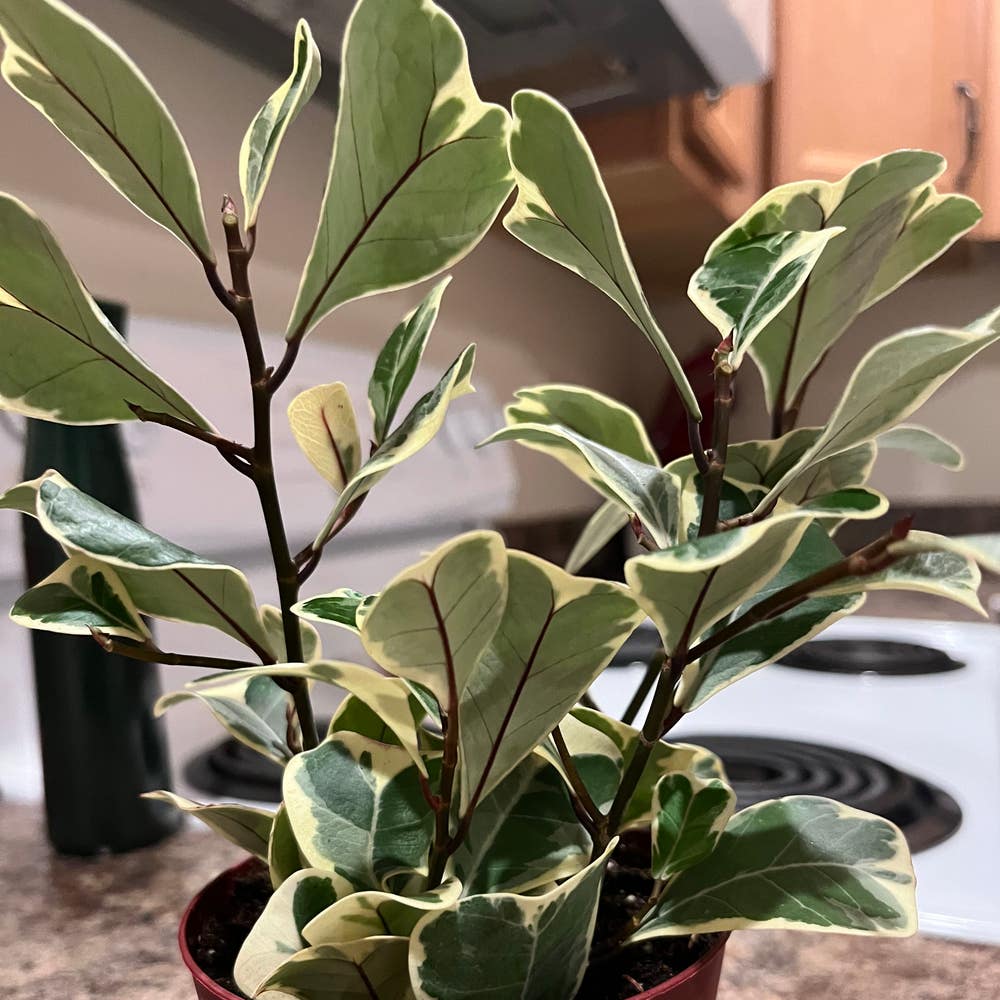
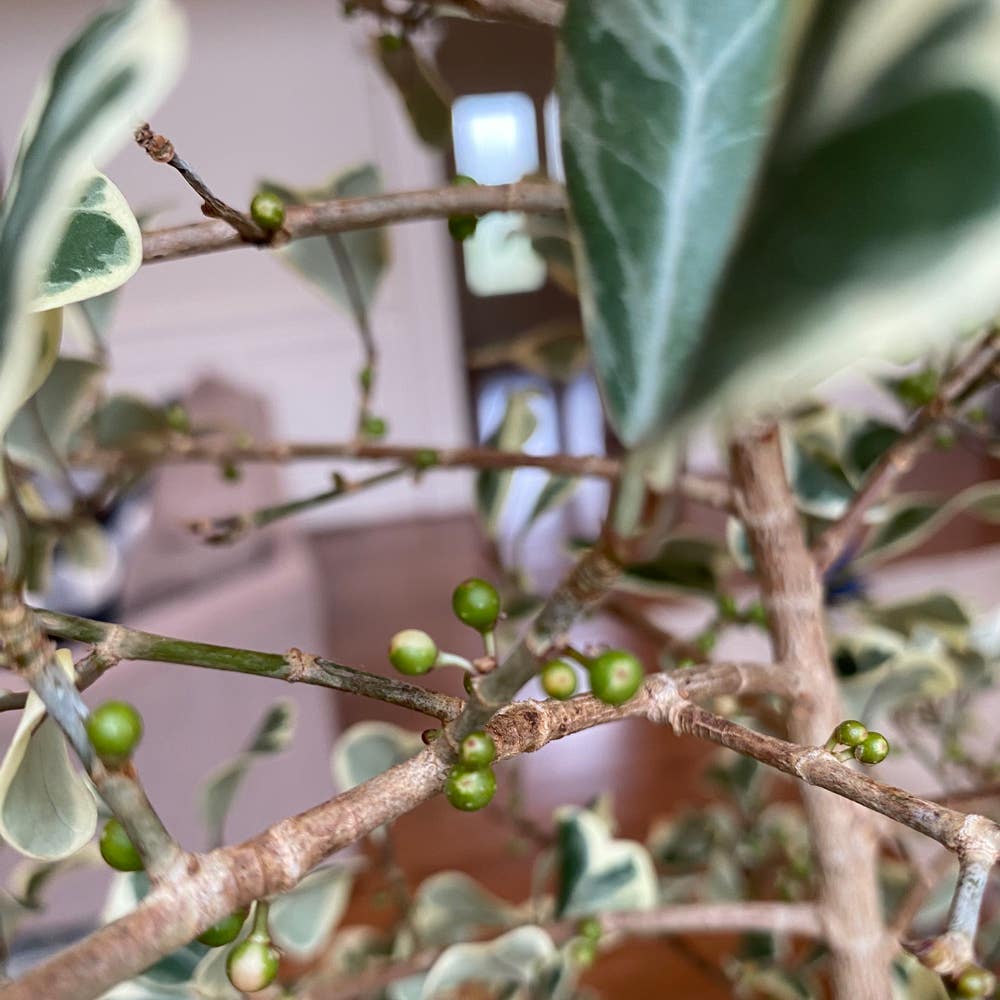
🌞 Best Climate for Variegated Triangle Fig: Zones 10a-12b
Ficus triangularis 'Variegata'
By the Greg Editorial Team
Sep 28, 2024•5 min read
This article was created with the help of AI so we can cover more plants for you. May contain errors. See one? Report it here.
Master the temperature needs of Variegated Triangle Figs 🌱 to ensure they thrive in your garden!
- 🌡️ Variegated Triangle Fig thrives in USDA zones 10a-12b with optimal temperatures of 70°F-85°F.
- ❄️ Frost damage signs include browning edges and wilting; protect from temperatures below 30°F.
- ☀️ Full sun is ideal, but afternoon shade helps in hotter climates for better growth.
Temperature Tolerance
❄️ Cold Tolerance Specifics
The Variegated Triangle Fig thrives in warmer climates, with a minimum temperature threshold of around 30°F (-1°C). Exposure to frost can severely damage the plant, leading to wilting leaves and stunted growth.
Signs of frost damage include browning leaf edges and a general decline in vigor. If you notice these symptoms, it’s crucial to take protective measures to safeguard your plant.
🔥 Heat Tolerance Specifics
On the flip side, this fig can handle heat but has a maximum temperature threshold of about 100°F (38°C). Prolonged exposure to extreme heat can stress the plant, causing leaf drop and reduced fruit production.
Providing shade and ensuring adequate moisture are essential in high temperatures. These strategies help maintain the plant's health and promote robust growth.
🌱 Ideal Temperature Ranges for Growth
For optimal growth, the Variegated Triangle Fig flourishes in temperatures between 70°F and 85°F (21°C to 29°C). This range allows the plant to thrive, producing lush foliage and vibrant fruits.
Seasonal temperature variations can impact growth patterns. During cooler months, growth may slow, while warmer months encourage vigorous development, making it essential to monitor temperature changes throughout the year.
Understanding these temperature tolerances will help you create the best environment for your Variegated Triangle Fig. Next, let’s explore the ideal growing regions for this beautiful plant.
Ideal Growing Regions
🌍 Examples of US States in Zones 10a-12b
The Variegated Triangle Fig thrives in specific regions of the United States, particularly in zones 10a to 12b. States like California, Florida, and Texas are prime examples, as they consistently meet the temperature requirements essential for this plant's growth.
California's Mediterranean climate provides warm, dry summers and mild, wet winters, creating an ideal environment. Florida, with its subtropical climate, offers ample warmth and humidity, while Texas boasts diverse microclimates that can support the Variegated Triangle Fig in its southern regions.
🌱 Factors Contributing to Ideal Growing Conditions
Several factors contribute to the ideal growing conditions for the Variegated Triangle Fig. Soil type plays a crucial role; well-draining sandy or loamy soils are preferred to prevent root rot.
Humidity and rainfall patterns also significantly impact growth. Regions with moderate humidity and consistent rainfall support healthy development. Additionally, sunlight exposure is vital; the plant thrives in full sun but benefits from some afternoon shade in hotter climates. Wind protection is equally important, as strong winds can damage the foliage and hinder growth.
Understanding these factors can help you create the perfect environment for your Variegated Triangle Fig, ensuring it flourishes beautifully.
As we explore further, let’s dive into the fascinating world of microclimates and how they can influence the growth of this unique plant.
Microclimates and Their Impact
🌍 Definition and Importance of Microclimates
Microclimates are localized climate zones that differ from the surrounding area. They can be influenced by various factors, such as elevation, proximity to water, and urban development.
Understanding microclimates is crucial for gardeners, especially for plants like the Variegated Triangle Fig. These unique environments can create conditions that are more favorable for growth than the general climate zone would suggest.
🌱 Extending Growing Zones
Microclimates can enable successful growth of the Variegated Triangle Fig outside typical hardiness zones. For instance, a sheltered garden area may maintain warmer temperatures than the surrounding landscape.
Planting in microclimates can provide several benefits, including extended growing seasons and reduced frost risk. This adaptability can lead to healthier plants and more fruitful harvests.
🏞️ Examples of Microclimates in the US
Several regions in the U.S. are known for their favorable microclimates. Coastal areas, for example, often enjoy milder temperatures due to the moderating effects of the ocean.
In California, neighborhoods near water bodies can support thriving Variegated Triangle Figs, even in areas that might otherwise be unsuitable. These case studies highlight the potential for successful growth in atypical climates, showcasing the resilience of this remarkable plant.
Understanding microclimates can empower gardeners to make informed decisions about where to plant their Variegated Triangle Figs, ensuring they thrive in the best possible conditions.
State-Level Suitability Analysis
🌿 Suitable States for Variegated Triangle Fig
The Variegated Triangle Fig thrives in USDA hardiness zones 10a to 12b. Here’s a list of states that fit the bill:
- California: With its warm Mediterranean climate, California offers ideal conditions for growth.
- Florida: Known for its humid subtropical climate, Florida provides the warmth and moisture the plant loves.
- Texas: Particularly in the southern regions, Texas has the heat and sunlight necessary for thriving figs.
These states maintain the right temperature ranges and have minimal frost risk, making them perfect for cultivating this unique plant.
🚫 Unsuitable States and Reasons Why
Several states fall outside the suitable hardiness zones for the Variegated Triangle Fig. Here are a few:
- North Dakota: The extreme cold and long winters pose significant challenges.
- Maine: Frost risks and cooler temperatures make it unsuitable for this tropical plant.
- Montana: While some areas may have mild summers, the harsh winters are detrimental.
These states face climatic challenges, such as severe cold and frost, which hinder the growth of the Variegated Triangle Fig.
❄️ Frost Dates and Their Relevance
Understanding frost dates is crucial for successful cultivation. The first and last frost dates dictate when to plant and when to protect your fig.
- First Frost Date: This is the date when frost is likely to occur in the fall. Knowing this helps you plan your harvest.
- Last Frost Date: This date marks the end of frost risk in spring, signaling when it's safe to plant.
Frost dates directly impact planting schedules and overall plant health. By timing your planting correctly, you can ensure a healthy, thriving Variegated Triangle Fig.
As we explore the next section, consider how microclimates can further influence the growth of this fascinating plant.
⚠️ Safety First
This content is for general information and may contain errors, omissions, or outdated details. It is not medical, veterinary advice, or an endorsement of therapeutic claims.
Always consult a qualified healthcare professional before using any plant as food, medicine, or supplement.
Never eat any plant (or feed one to pets) without confirming its identity with at least two trusted sources.
If you suspect poisoning, call Poison Control (800) 222-1222, the Pet Poison Helpline (800) 213-6680, or your local emergency service immediately.
Spotted an error? Please report it here.
Cultivating a thriving Variegated Triangle Fig 🌿 is easy with Greg's personalized climate insights and reminders, ensuring your plant flourishes in its ideal conditions!