🔺 Variegated Triangle Fig is Not an Invasive Plant
Ficus triangularis 'Variegata'
By the Greg Editorial Team
Sep 28, 2024•5 min read
This article was created with the help of AI so we can cover more plants for you. May contain errors. See one? Report it here.
Elevate your garden's beauty 🌿 and biodiversity with the stunning, non-invasive Variegated Triangle Fig!
- 🌳 Variegated Triangle Fig grows 3-6 feet, perfect for small gardens or containers.
- 🌼 Attracts pollinators like bees and butterflies, enhancing garden biodiversity.
- 🌱 Non-invasive and drought-tolerant, it thrives in various garden settings.
Growth Habits
🌱 Typical Growth Patterns
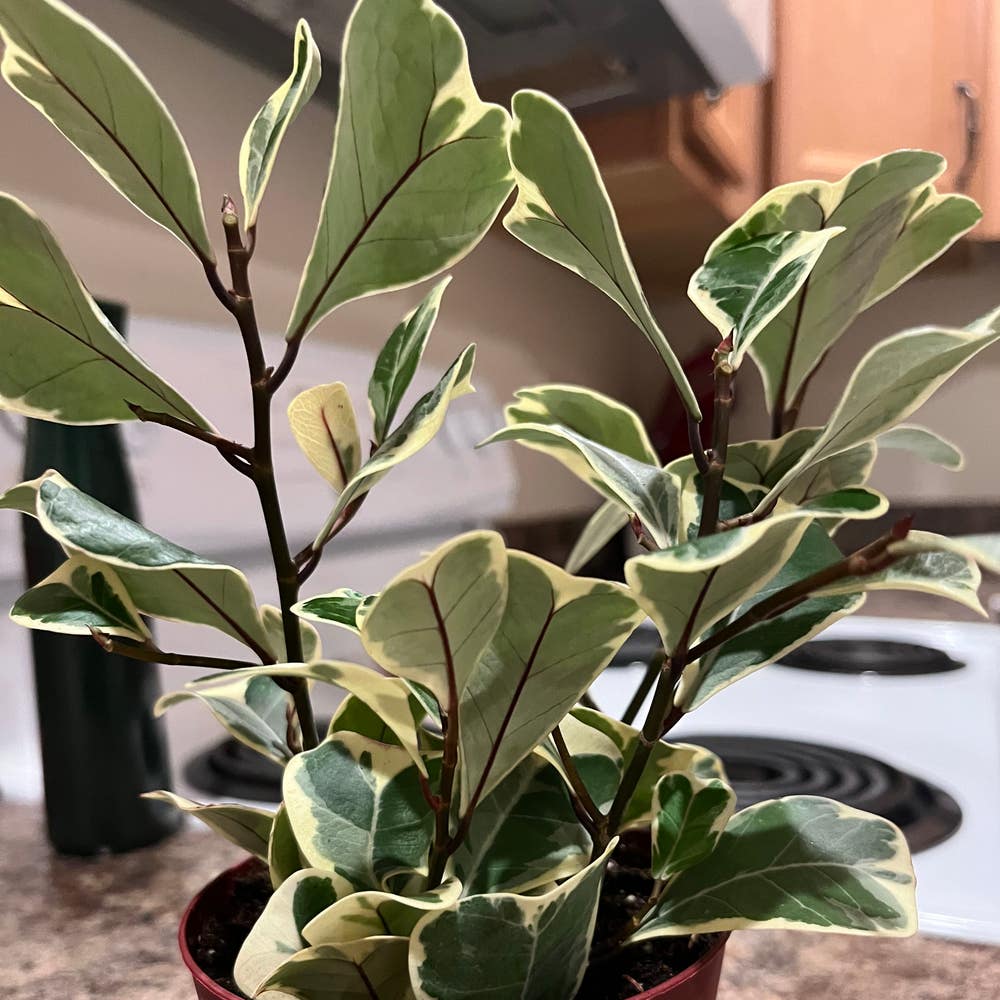
The Variegated Triangle Fig typically grows as a shrub or small tree, reaching heights of 3 to 6 feet. Its striking variegated leaves not only enhance visual interest but also add a unique flair to any garden.
Active growth occurs during the warm months, while growth slows down in cooler temperatures. This seasonal rhythm allows the plant to thrive when conditions are most favorable.
🌞 Natural Limits to Growth
Several environmental factors influence the growth of the Variegated Triangle Fig. It prefers partial to full sunlight, making it ideal for bright spots in your garden.
For optimal growth, it thrives in well-draining, fertile soil. While it shows some tolerance to drought and humidity, extreme conditions can hinder its development.
Additionally, this plant faces minimal competition from aggressive species, allowing it to flourish without the struggle for resources. This makes it a great choice for a variety of garden settings.
Ecological Role
Benefits in Gardens 🌼
The Variegated Triangle Fig plays a vital role in enhancing biodiversity. It attracts beneficial wildlife, including pollinators like bees and butterflies, as well as birds that rely on its foliage for shelter and food.
This plant also contributes to soil health. Its leaf litter enriches the soil, improving structure and fertility, which benefits surrounding plants and creates a thriving garden ecosystem.
Positive Interactions with Wildlife 🐦
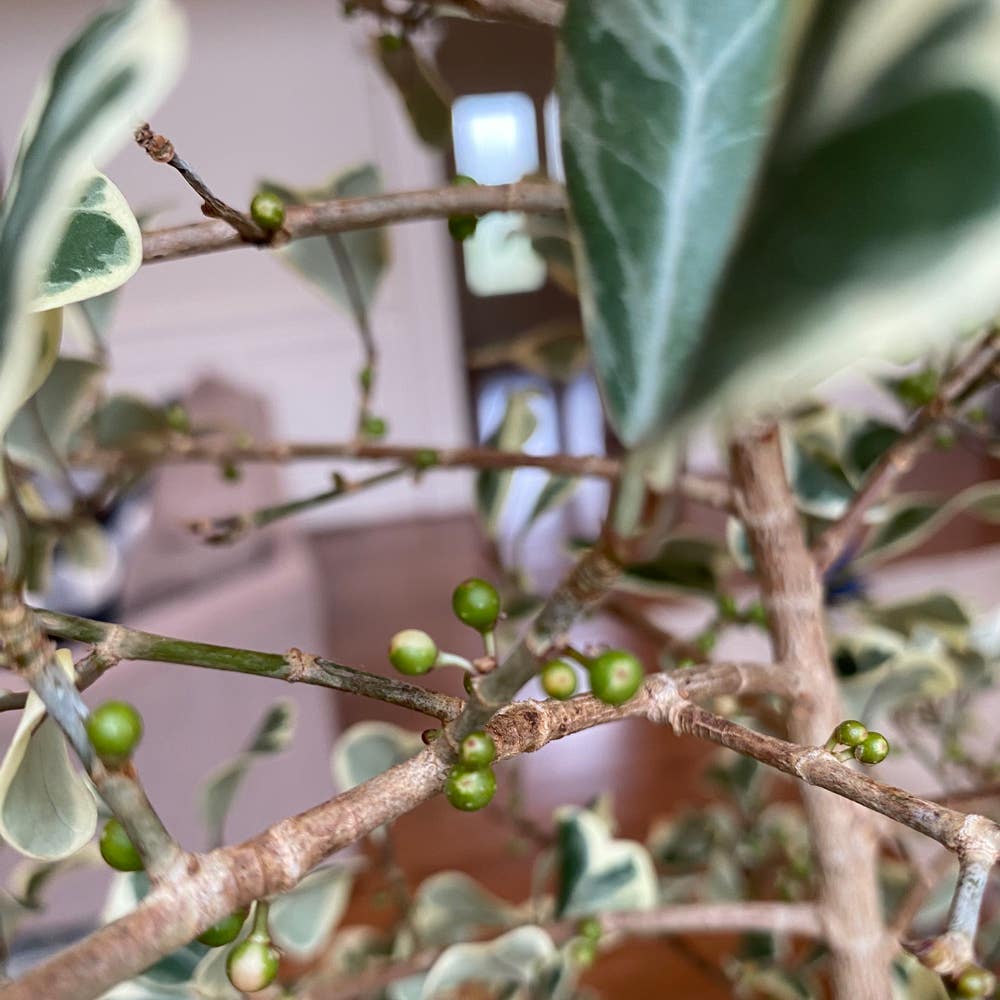
Pollinators are drawn to the flowers of the Variegated Triangle Fig, making it a valuable addition to any garden. Birds often feed on the fruits or insects that inhabit the plant, fostering a lively environment.
These interactions are crucial for maintaining a balanced ecosystem. By supporting various species, the Variegated Triangle Fig helps create a harmonious garden that thrives on mutual benefits.
As we explore the next section on garden management, consider how these ecological benefits can inform your design choices.
Garden Management
Incorporating into Garden Designs 🌿
The Variegated Triangle Fig is a versatile addition to any garden. It can serve as a stunning focal point in mixed borders or as a backdrop for vibrant flowering plants.
Its manageable size makes it perfect for container gardening, allowing you to enjoy its beauty even in smaller spaces. Pairing it with complementary plants can enhance both growth and aesthetics, creating a harmonious garden environment.
Growth Control Methods ✂️
Maintaining the shape and size of your Variegated Triangle Fig is straightforward. Pruning should be done in early spring to encourage healthy growth and maintain its desired form.
Regular monitoring is essential to ensure it stays within your preferred bounds. Additionally, using barriers or edging can help define its space, preventing it from encroaching on neighboring plants.
With these simple management techniques, you can enjoy the beauty of the Variegated Triangle Fig while keeping your garden organized and thriving.
Next, let’s explore how this plant interacts positively with wildlife and contributes to a balanced ecosystem.
Comparison to Other Plants
🌱 Similar Non-Invasive Plants
When considering non-invasive options for your garden, several species stand out alongside the Variegated Triangle Fig. Plants like the Japanese Maple and Dwarf Barberry offer similar aesthetic appeal with their vibrant foliage and manageable sizes.
These alternatives not only enhance visual interest but also contribute positively to your garden's ecosystem. Choosing non-invasive plants helps maintain biodiversity while minimizing the risk of aggressive growth that can disrupt local habitats.
🌟 Unique Qualities
The Variegated Triangle Fig boasts distinctive features that set it apart from its counterparts. Its striking variegated leaves provide a unique visual element, while its moderate growth rate ensures it won't overwhelm your garden space.
Moreover, its non-invasive nature allows for flexibility in various garden designs. This adaptability makes it an excellent choice for gardeners looking to create a harmonious landscape without the worry of invasive tendencies.
Incorporating the Variegated Triangle Fig into your garden not only enhances its beauty but also supports sustainable practices. As we explore garden management next, we'll delve into how to effectively incorporate this plant into your designs.
Legal and Environmental Considerations
Relevant Classifications 🌱
When considering the Variegated Triangle Fig for your garden, it's essential to check local regulations. Some areas may have specific guidelines regarding the planting of this species to ensure it doesn't disrupt local ecosystems.
Understanding these regulations helps you avoid potential issues down the line. Always consult local gardening resources or extension services for the most accurate information.
Fit within Sustainable Practices 🌍
The Variegated Triangle Fig plays a significant role in promoting biodiversity and supporting ecosystem health. By incorporating this plant into your garden, you contribute to a balanced environment that benefits various wildlife.
Responsible gardening practices are crucial. Focus on avoiding invasive species and promoting native flora to create a thriving habitat.
Additionally, selecting non-invasive plants like the Variegated Triangle Fig enhances sustainable landscape design. This thoughtful choice not only beautifies your space but also fosters a healthier ecosystem for future generations.
As you plan your garden, remember that every plant choice matters. Embrace the opportunity to cultivate a vibrant, sustainable environment that reflects your passion for nature.
⚠️ Safety First
This content is for general information and may contain errors, omissions, or outdated details. It is not medical, veterinary advice, or an endorsement of therapeutic claims.
Always consult a qualified healthcare professional before using any plant as food, medicine, or supplement.
Never eat any plant (or feed one to pets) without confirming its identity with at least two trusted sources.
If you suspect poisoning, call Poison Control (800) 222-1222, the Pet Poison Helpline (800) 213-6680, or your local emergency service immediately.
Spotted an error? Please report it here.
Enhance your garden with the stunning Variegated Triangle Fig 🌿, and let Greg guide you with tailored care tips to ensure it thrives beautifully in your unique environment!