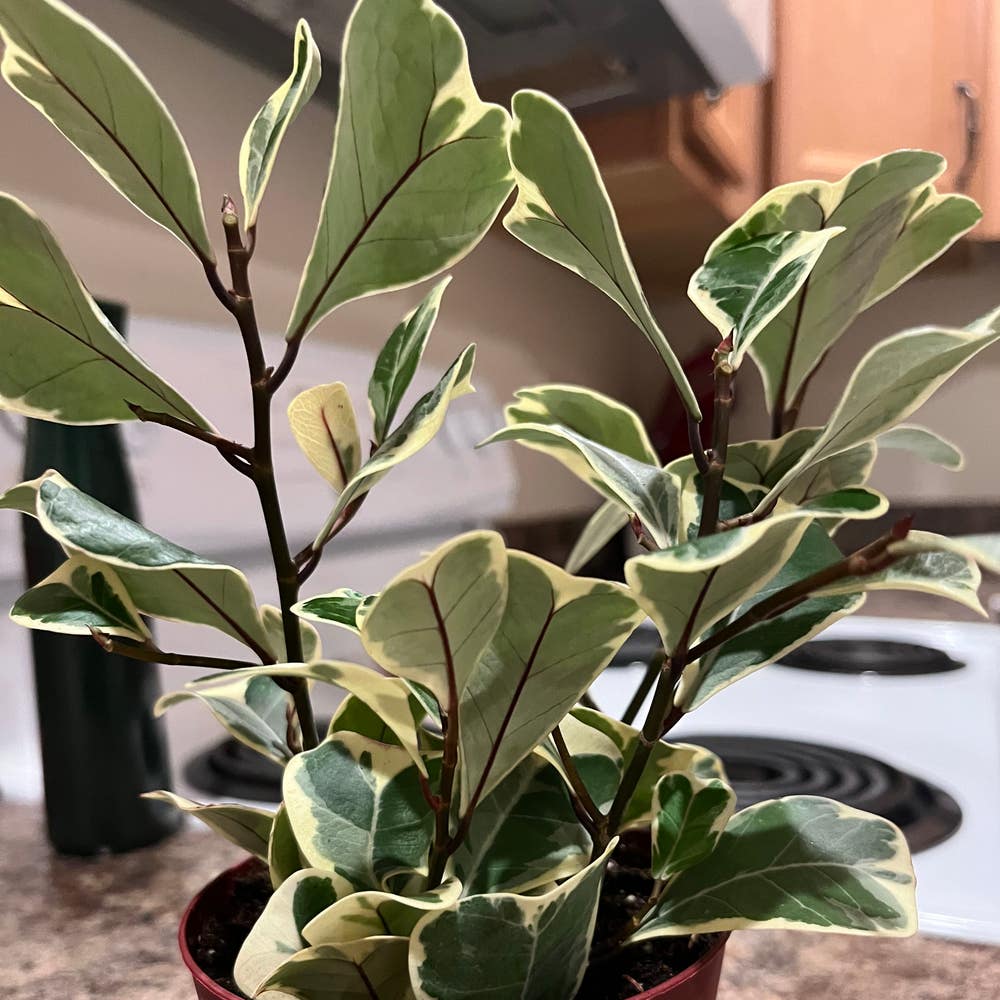
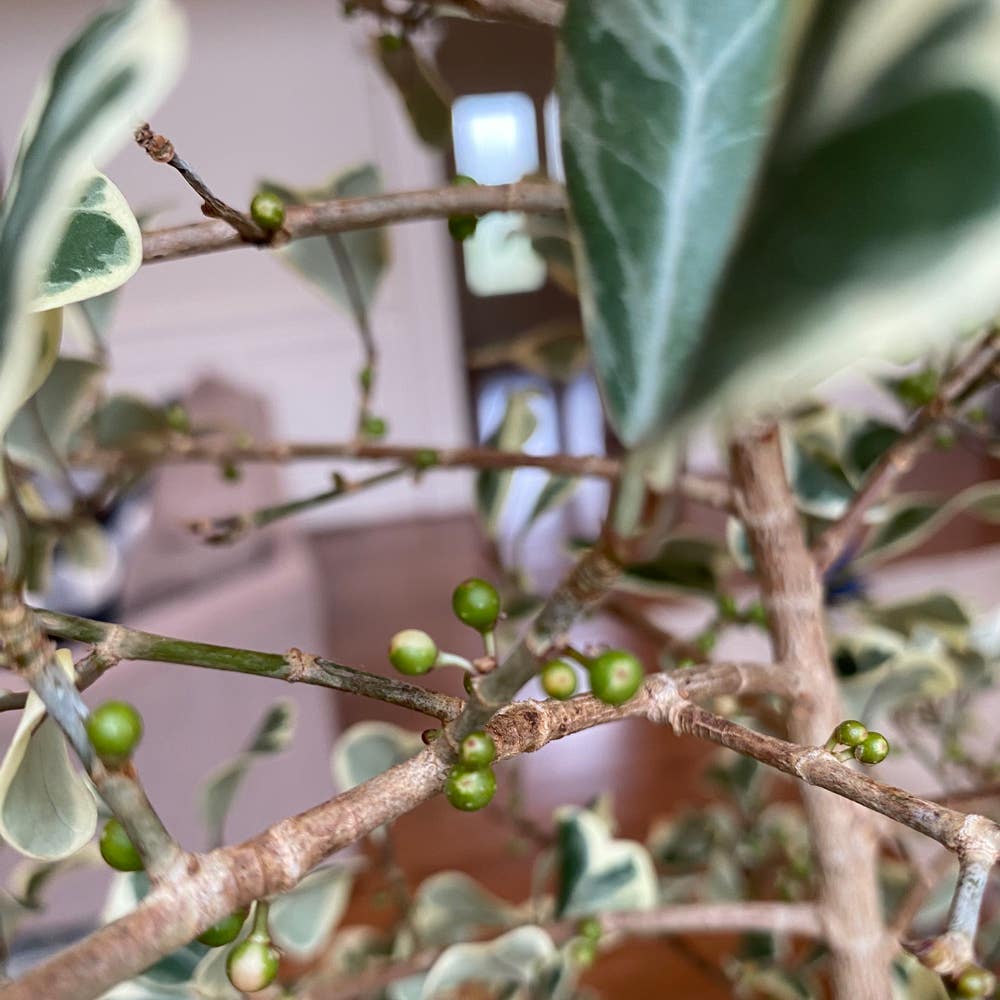
🔺 4 Tips for Growing Variegated Triangle Fig
Ficus triangularis 'Variegata'
By the Greg Editorial Team
Sep 28, 2024•6 min read
This article was created with the help of AI so we can cover more plants for you. May contain errors. See one? Report it here.
Elevate your space with a thriving variegated triangle fig 🌱 by mastering its ideal care and growing conditions!
- 🌞 Provide bright, indirect sunlight to maintain variegation and prevent leaf scorch.
- 🌡️ Optimal temperature for growth is 65°F to 80°F (18°C to 27°C).
- 💧 Water when the top inch is dry; deep watering promotes strong roots.
Choosing a Location
Indoor vs. Outdoor Growing Conditions 🌱
When deciding where to grow your variegated triangle fig, consider the benefits of indoor versus outdoor conditions. Indoor growing offers a controlled environment and enhances your space's aesthetic appeal, while outdoor growing thrives in suitable climates and natural light.
Light Requirements ☀️
For optimal growth, your triangle fig needs bright, indirect sunlight to maintain its stunning variegation. Be cautious of direct sunlight, as it can lead to leaf scorch and fading colors, diminishing the plant's beauty.
Temperature and Humidity Preferences 🌡️
The ideal temperature range for your fig is between 65°F to 80°F (18°C to 27°C). Additionally, maintaining humidity levels of 50% or higher is crucial for promoting healthy growth and vibrant foliage.
By carefully selecting the right location and conditions, you set your variegated triangle fig up for success. Next, let’s explore how to prepare the perfect soil for planting.
Soil Preparation
Ideal Soil Composition 🌱
To give your variegated triangle fig the best start, use a well-draining potting soil enriched with organic matter. This mix promotes healthy growth and vibrant variegation.
For those looking for alternatives, consider a cactus mix or a blend of peat and perlite. Both options provide excellent drainage while retaining necessary moisture.
Drainage Considerations 🚰
Proper drainage is crucial to prevent root rot, a common issue for triangle figs. Always opt for pots with drainage holes when growing in containers.
If planting in the ground, ensure the soil allows excess water to escape. This will keep your plant's roots healthy and thriving.
pH Level Requirements ⚗️
The optimal pH range for your soil should be between 6.0 and 7.0. This balance supports nutrient availability and overall plant health.
Testing your soil's pH is straightforward. You can use simple home kits or seek professional testing for more precise results.
With the right soil preparation, your variegated triangle fig will be set for success. Next, let’s dive into effective planting techniques to ensure your plant thrives in its new environment.
Planting Techniques ((difficulty:easy))
Step-by-Step Planting Guide 🌱
Planting your variegated triangle fig is straightforward. Start by choosing the right pot or location based on the plant's size.
Next, prepare the soil mix according to the ideal composition. This ensures your plant has the nutrients it needs to thrive.
Place the plant in the pot or ground, making sure the root ball is level with the soil surface. This helps prevent water from pooling around the roots.
Fill in around the roots with soil, firming it gently to eliminate air pockets. Finally, water thoroughly after planting to help settle the soil.
Container vs. Ground Planting 🪴
Deciding between container and ground planting? Container planting offers mobility and greater control over soil conditions.
On the other hand, ground planting requires suitable outdoor conditions but can provide more space for growth.
Spacing and Depth Considerations 📏
When planting outdoors, aim for a spacing of 3-4 feet apart. This allows each plant enough room to flourish without competing for resources.
Ensure that the roots are covered but not buried too deep. Proper depth is crucial for healthy growth and stability.
With these planting techniques, you're well on your way to nurturing a vibrant variegated triangle fig. Next, let’s explore how to care for your plant through watering and fertilizing.
Watering and Fertilizing
💧 Watering Frequency and Techniques
Watering your variegated triangle fig is crucial for its health. A good rule of thumb is to water when the top inch of soil feels dry.
Deep watering is an effective technique to encourage robust root growth. This method ensures that moisture reaches deeper into the soil, promoting a strong foundation for your plant.
🚫 Signs of Overwatering and Underwatering
Recognizing the signs of overwatering is essential. Yellowing leaves and root rot are clear indicators that your plant is getting too much water.
On the other hand, underwatering can lead to wilting and crispy leaf edges. Keeping an eye on these symptoms helps maintain your plant's vitality.
🌱 Fertilization Schedule and Types of Fertilizers
Fertilizing your triangle fig is important for its growth. Aim to fertilize every 4-6 weeks during the growing season for optimal results.
For the best outcomes, consider using a balanced liquid fertilizer or slow-release granules. These options provide essential nutrients without overwhelming your plant.
By mastering watering and fertilizing, you set the stage for a thriving variegated triangle fig. Next, let's explore effective pruning techniques to keep your plant healthy and beautifully shaped.
Pruning and Ongoing Care
Pruning Techniques for Shape and Health 🌿
Pruning your variegated triangle fig is essential for maintaining its shape and overall health. The best time to prune is early spring or late winter, just before the growing season kicks in.
To prune effectively, pinch back new growth to encourage bushiness and remove any dead or damaged leaves. This not only keeps your plant looking tidy but also promotes healthier growth.
Pest and Disease Management 🐛
Keeping an eye out for pests is crucial in maintaining your plant's health. Common culprits include spider mites, aphids, and scale, which can wreak havoc if left unchecked.
Regular inspections and proper care can help prevent diseases. A little vigilance goes a long way in ensuring your plant thrives.
Seasonal Care Adjustments 🌦️
As the seasons change, so should your care routine. Adjust your watering and fertilizing schedule based on the climate and the plant's growth phase.
Indoor and outdoor care can differ significantly. Be mindful of these variations to keep your triangle fig flourishing year-round.
With these ongoing care tips, you'll be well-equipped to nurture your variegated triangle fig into a stunning centerpiece. Next, let's explore common challenges and solutions to ensure your plant remains healthy and vibrant.
Common Challenges and Solutions
🌱 Identifying and Addressing Common Problems
Growing a variegated triangle fig can be rewarding, but it comes with its share of challenges. One common issue is leaf drop, which can stem from stress factors like sudden temperature changes or overwatering.
Slow growth is another concern, often linked to nutrient deficiencies or inadequate light. If your plant isn't thriving, it might be time to reassess its environment.
💪 Tips for Overcoming Growth Issues
To tackle these growth issues, start by adjusting light exposure. Ensure your fig is getting bright, indirect sunlight, as this is crucial for maintaining its vibrant variegation.
Humidity levels also play a significant role. If your plant seems sluggish, consider increasing humidity, especially during dry seasons.
🌍 Resources for Further Assistance
If you're feeling stuck, don't hesitate to seek help. Online forums and gardening communities are great places to share experiences and get advice from fellow plant enthusiasts.
Local gardening centers can also provide expert guidance tailored to your specific region. They often have resources that can help you troubleshoot and enhance your plant care routine.
With a little attention and care, you can overcome these challenges and enjoy a flourishing variegated triangle fig. Next, let’s explore effective watering and fertilizing techniques to keep your plant thriving.
⚠️ Safety First
This content is for general information and may contain errors, omissions, or outdated details. It is not medical, veterinary advice, or an endorsement of therapeutic claims.
Always consult a qualified healthcare professional before using any plant as food, medicine, or supplement.
Never eat any plant (or feed one to pets) without confirming its identity with at least two trusted sources.
If you suspect poisoning, call Poison Control (800) 222-1222, the Pet Poison Helpline (800) 213-6680, or your local emergency service immediately.
Spotted an error? Please report it here.
Transform your space with a thriving variegated triangle fig 🌿 by using Greg's tailored reminders for light, watering, and humidity to keep your plant vibrant and healthy!