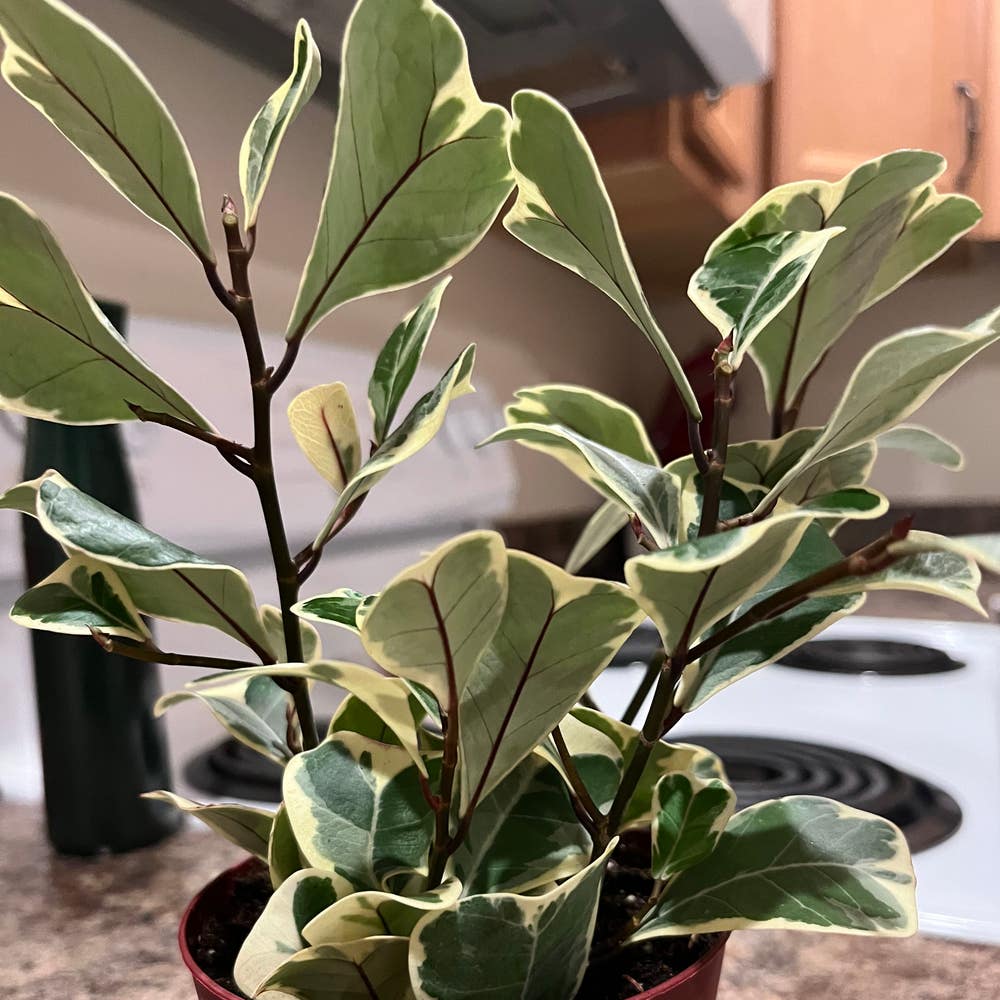
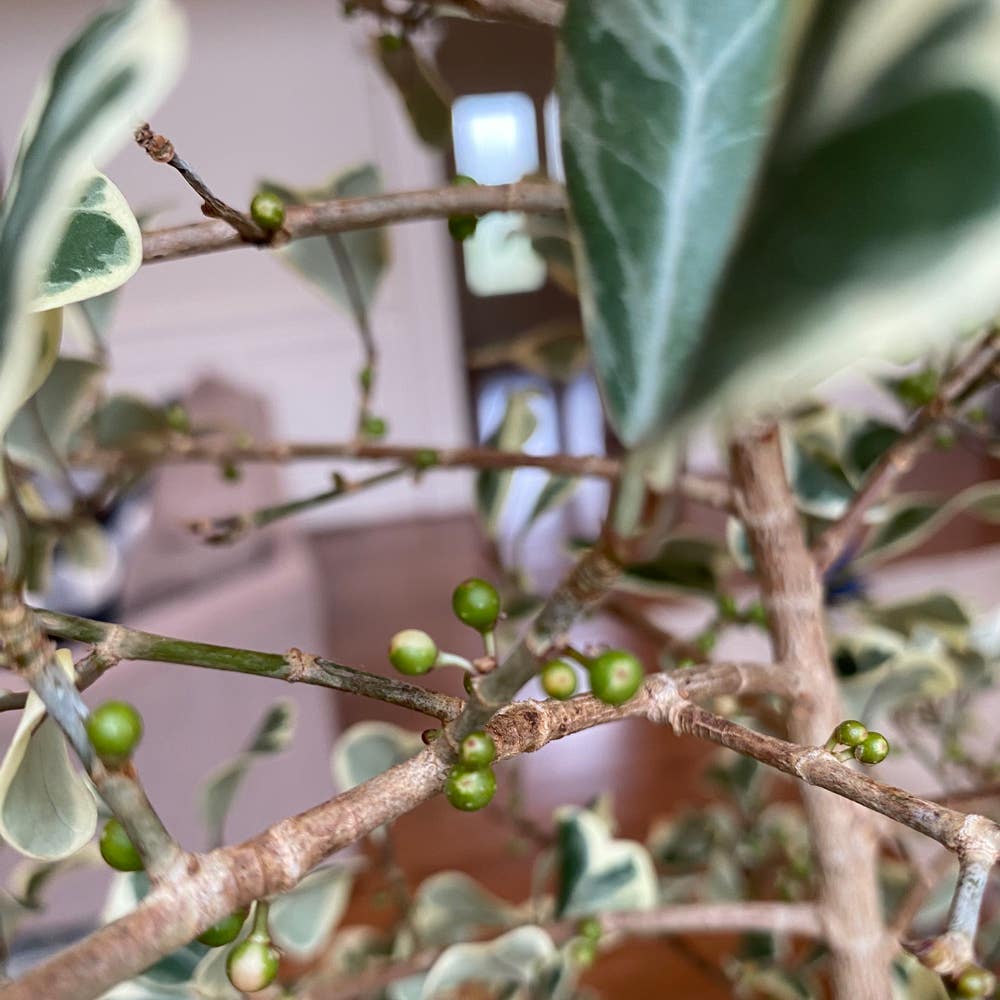
🌳 Controlling Variegated Triangle Fig Height and Width
Ficus triangularis 'Variegata'
By the Greg Editorial Team
Sep 28, 2024•4 min read
This article was created with the help of AI so we can cover more plants for you. May contain errors. See one? Report it here.
Cultivate a stunning variegated triangle fig 🌳 that thrives in any space with these essential growth tips!
- 🌱 Variegated triangle fig grows 3-6 feet indoors; up to 10 feet outdoors.
- ✂️ Regular pruning every 6-12 months maintains desired size and shape.
- 💡 Bright, indirect light and moisture are crucial for optimal growth.
Size and Growth Habits
🌳 Mature Height and Spread
The variegated triangle fig typically reaches a mature height of 3 to 6 feet (0.9 to 1.8 meters) when grown indoors. Its width generally spans 2 to 4 feet (0.6 to 1.2 meters) in similar conditions.
Outdoors, this plant can grow impressively tall, potentially reaching up to 10 feet (3 meters) in ideal circumstances. Key factors influencing these dimensions include the size of the container for indoor plants and the availability of space for outdoor growth.
📈 Growth Rate and Time to Reach Full Size
This plant exhibits a moderate growth rate, averaging 12 to 24 inches (30 to 61 cm) per year under optimal conditions. Typically, it takes about 3 to 5 years for indoor plants to reach their full size, although this may extend in less-than-ideal environments.
Several factors can affect this growth rate, including nutrient availability and light exposure. Ensuring your plant receives the right conditions can significantly enhance its growth trajectory.
🌱 Size Variability Based on Growing Conditions
Environmental factors play a crucial role in determining the size of your variegated triangle fig.
Light Levels
Bright, indirect light is essential for promoting optimal growth. Conversely, low light conditions can stunt growth and lead to reduced dimensions.
Soil Type
Using well-draining, nutrient-rich soil supports healthy growth. Poor soil quality can result in stunted growth and smaller plant sizes.
Watering Practices
Consistent moisture is vital for encouraging growth. However, both overwatering and underwatering can limit the plant's size, so finding the right balance is key.
Understanding these growth habits and conditions will help you cultivate a thriving variegated triangle fig. Next, we’ll explore the different varieties of this plant and their unique growth potential.
Varieties and Their Growth Potential
🌱 Dwarf Varieties and Characteristics
Dwarf varieties of the variegated triangle fig are a fantastic choice for those with limited space. Typically, these plants remain under 3 feet (0.9 meters) in height, making them perfect for small apartments or cozy corners.
Their compact and bushy growth habits not only add charm but also make them easy to manage. If you're looking for a low-maintenance plant that still delivers on aesthetics, dwarf varieties are a solid pick.
🌳 Giant Varieties and Growth Potential
On the other end of the spectrum, giant varieties can exceed 10 feet (3 meters) in height when grown outdoors. These plants exhibit more vigorous growth, which means they require ample space to thrive.
If you have a spacious garden or outdoor area, consider these giants for a striking focal point. Just be prepared for their impressive stature and the care they demand to keep them healthy and happy.
Understanding the differences between these varieties helps you choose the right fit for your space and lifestyle. Whether you opt for a dwarf or a giant, both can bring unique beauty to your environment.
As you explore your options, consider how each variety aligns with your growth goals and available space. This knowledge will set you up for success as you nurture your variegated triangle fig.
Controlling Size through Pruning
Best Practices for Pruning 🌿
Pruning your variegated triangle fig is essential for maintaining its size and shape. Start by pinching back new growth; this encourages a bushier appearance and prevents the plant from becoming leggy.
Cutting back any leggy stems is also crucial. This technique helps maintain the desired shape and promotes a fuller, healthier plant.
Timing and Techniques for Effective Pruning ⏰
The best time to prune is early spring, just before new growth begins. This timing ensures that your plant can recover quickly and thrive throughout the growing season.
When pruning, remember to remove no more than one-third of the plant at a time. This approach minimizes stress and focuses on shaping rather than merely reducing height.
Regular pruning not only keeps your plant looking its best but also enhances its overall health. By following these practices, you can enjoy a vibrant and well-maintained variegated triangle fig.
As you refine your pruning techniques, you'll also want to be aware of common size-related issues. Let's explore those next.
Common Size-Related Issues
Problems with Overgrowth 🌱
Overgrowth in your variegated triangle fig can manifest in a few noticeable ways. A leggy appearance and sparse foliage are telltale signs that your plant is stretching for light or space.
Solutions for Maintaining Desired Dimensions ✂️
To keep your plant in check, establish a regular pruning schedule. Prune every 6 to 12 months to maintain its size and shape.
Adjusting Growing Conditions 🌤️
In addition to pruning, consider adjusting your plant's growing conditions. Ensuring optimal light and moisture levels can significantly prevent excessive growth and promote a healthier, more compact plant.
By staying proactive with these strategies, you can enjoy a well-maintained variegated triangle fig that fits beautifully in your space. Next, let’s explore how to effectively control size through pruning techniques.
⚠️ Safety First
This content is for general information and may contain errors, omissions, or outdated details. It is not medical, veterinary advice, or an endorsement of therapeutic claims.
Always consult a qualified healthcare professional before using any plant as food, medicine, or supplement.
Never eat any plant (or feed one to pets) without confirming its identity with at least two trusted sources.
If you suspect poisoning, call Poison Control (800) 222-1222, the Pet Poison Helpline (800) 213-6680, or your local emergency service immediately.
Spotted an error? Please report it here.
Master the art of keeping your variegated triangle fig vibrant 🌱 with Greg's tailored watering alerts and pruning guidance to ensure it flourishes beautifully in your home!