💧 Why Are My Ficus triangularis 'Variegata' Leaves Mushy?
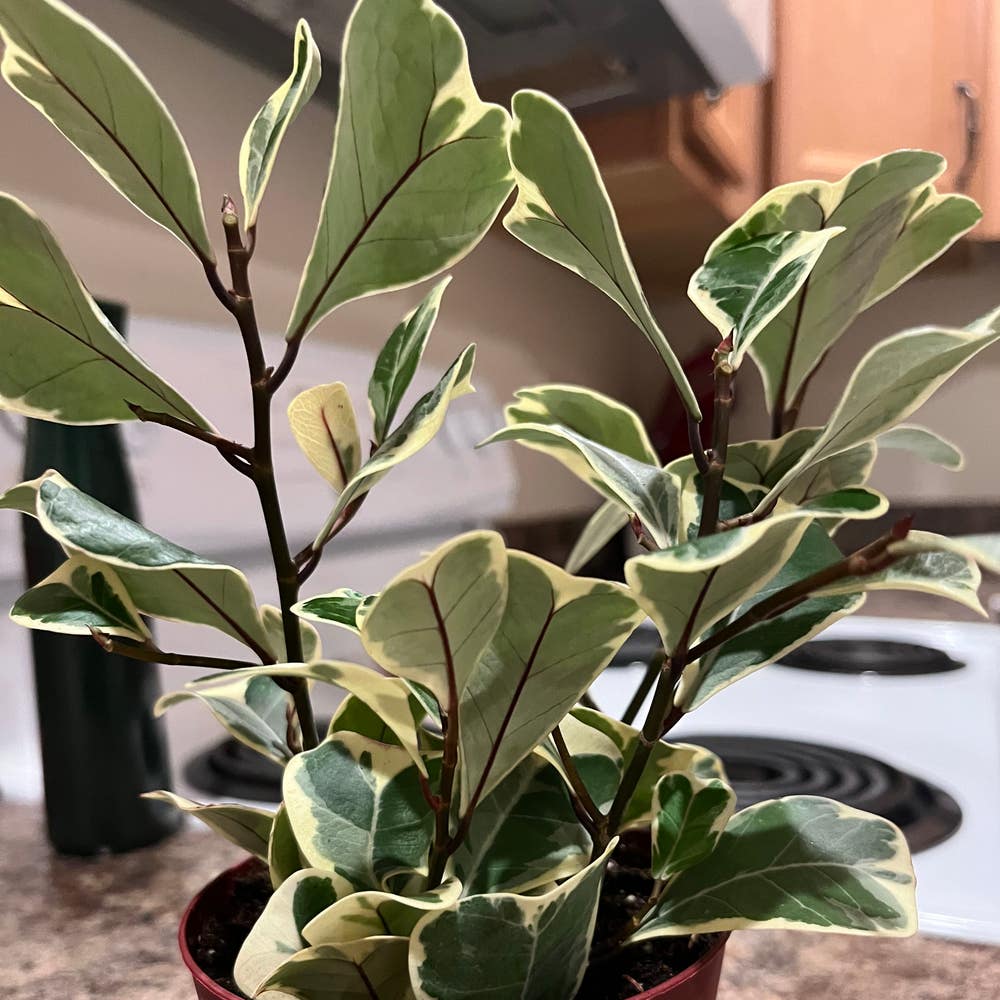
Ficus triangularis 'Variegata'
By the Greg Editorial Team
Jun 18, 2024•4 min read
This article was created with the help of AI so we can cover more plants for you. May contain errors. See one? Report it here.
Rescue your Ficus from mushy leaves to lush 🌿 by fixing root rot and soil issues!
- Yellow leaves signal overwatering; adjust your Ficus's watering routine.
- Root rot is stealthy; inspect roots and use well-draining soil to prevent it.
- Water based on soil dryness, not a set schedule, and inspect plants regularly.
When Too Much Water Loves Too Little Drainage
🚰 Spotting the Signs of Overwatering
Yellowing leaves are the plant's SOS signal; they're begging you to ease up on the H2O. If you're greeted by a pot with a swampy vibe and a top layer of soil that's starting to look like a science experiment, it's time to reassess your watering routine. Brown spots with a yellow halo are not a new plant trend; they're a cry for help.
🚰 The Drainage Fix
Drainage holes are non-negotiable; they're the escape route for excess water. If your pot's lacking these, it's like a nightclub with no fire exits. Not cool. To avoid root rot, think of your potting mix as a bespoke suit—it needs to fit your plant's needs perfectly. Perlite or sand can be your allies, turning that clingy soil into something that knows when to let go. Remember, the right size pot makes all the difference; too big and you're drowning your plant in its own home. Keep it snug, not suffocating.

The Root of the Problem: Tackling Root Rot
🌱 Identifying Root Rot in Your Ficus
Root rot in Ficus triangularis 'Variegata' is like a silent plant assassin; it's deadly and often goes unnoticed until it's too late. Visual cues are your first line of defense. If your plant's leaves are more limp than a forgotten salad, it's time to get your hands dirty. Gently remove your ficus from its pot and inspect the roots. Healthy roots are the superheroes here—firm, white, and ready for action. But if you encounter roots that are as mushy as overcooked noodles and darker than your morning coffee, you've hit the root rot jackpot.
🏥 From Rotten to Revived
Once you've confirmed root rot, it's time for some plant surgery. Sterilize your shears (because no one wants a side of bacteria with their plant operation), and cut away the rotted roots. Be as precise as a sushi chef—leave the healthy roots alone. Next, consider the potting mix; your ficus craves a soil that drains faster than a bathtub. Mix in some perlite or coarse sand to get that airy texture. When repotting, think of it as tucking your plant into bed; the roots should be snug but not suffocated. Finally, water the plant like it's a delicate pastry, enough to moisten but not drench. With these steps, your ficus is on the path from rotten to revived.

Soil Sleuthing for Better Health
🌊 Assessing Your Soil's Drainage
Quick tests can reveal a lot about your soil's drainage capabilities. A simple way to check is by watering your soil and observing how quickly it drains. If it's slow to drain, you've got a problem. Another method is the screwdriver test: if you can easily push a screwdriver into the soil after watering, your drainage might be decent. But if it's a struggle, your soil is likely too compact or clay-heavy.
🌱 Upgrading Your Soil Game
Amendments are your soil's best friends. Mixing in organic materials like compost or rotted leaves can transform your soil's structure, creating channels that allow water to flow more freely. For an immediate fix, perlite or coarse sand can also improve texture, much like adding springs to a mattress for better support.
Consider elevating your plant's roots with raised beds or a layer of gravel at the bottom of the pot to avoid waterlogging. It's like giving your plant's roots a penthouse suite with a drainage system to match.
Lastly, regularly adding organic matter can turn even the worst soil into a well-drained paradise over time. It's not an overnight fix, but it's a game-changer in the long run. Keep tweaking and testing; your Ficus triangularis 'Variegata' will thank you with firm, healthy leaves.

Keeping the Mush Away
💧 Watering Wisdom
Watering your Ficus triangularis 'Variegata' is less about routine and more about precision. Before you water, do the finger test—poke the soil. If the top inch is dry, it's time to hydrate. Overzealous watering is a one-way ticket to Soggy Leaf City.
🕵️ Ongoing Vigilance
Regular inspections are your defense against mushiness. Examine your plant like a hawk, scouting for early signs of distress. Adjust the care as needed, because in the world of plant parenting, complacency is the enemy. Remember, it's not just about survival; it's about thriving.
⚠️ Safety First
This content is for general information and may contain errors, omissions, or outdated details. It is not medical, veterinary advice, or an endorsement of therapeutic claims.
Always consult a qualified healthcare professional before using any plant as food, medicine, or supplement.
Never eat any plant (or feed one to pets) without confirming its identity with at least two trusted sources.
If you suspect poisoning, call Poison Control (800) 222-1222, the Pet Poison Helpline (800) 213-6680, or your local emergency service immediately.
Spotted an error? Please report it here.
Revive your Ficus triangularis 'Variegata' 🌱 from mushy leaves to magnificent with Greg's custom watering plans and soil moisture alerts!