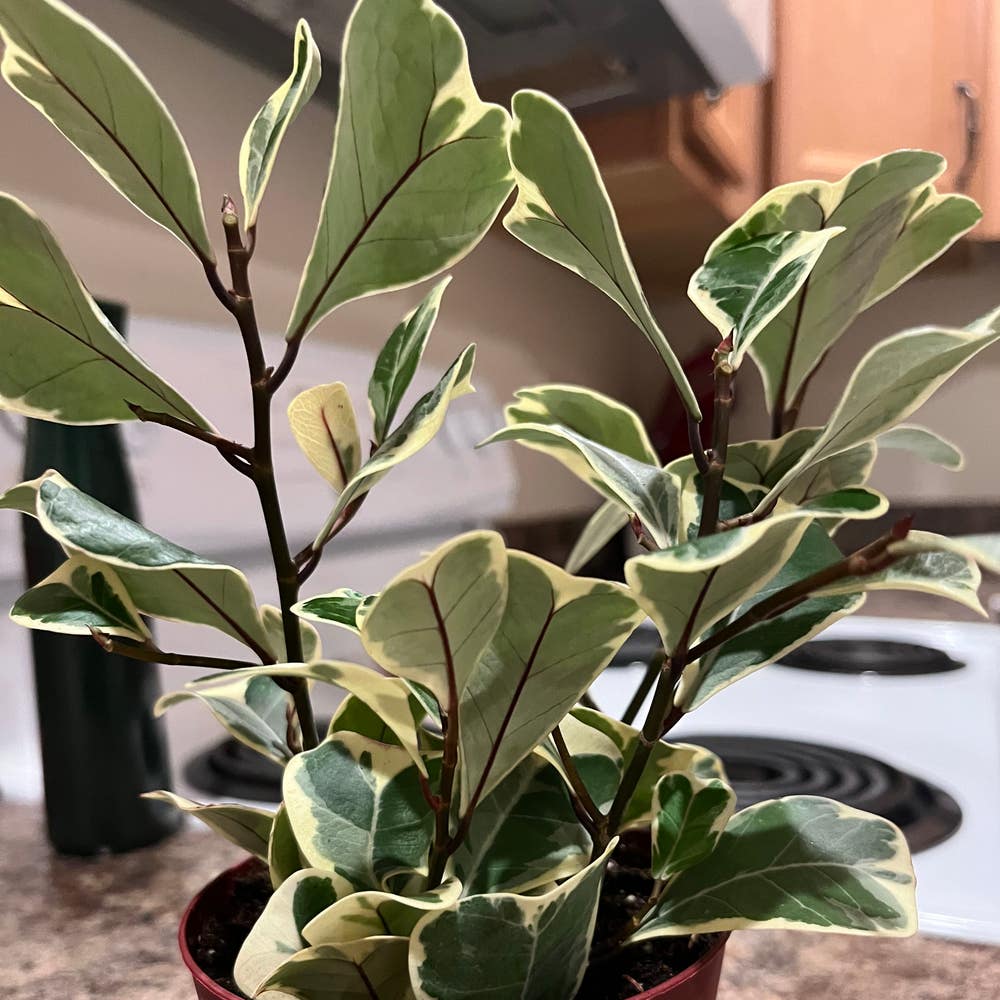
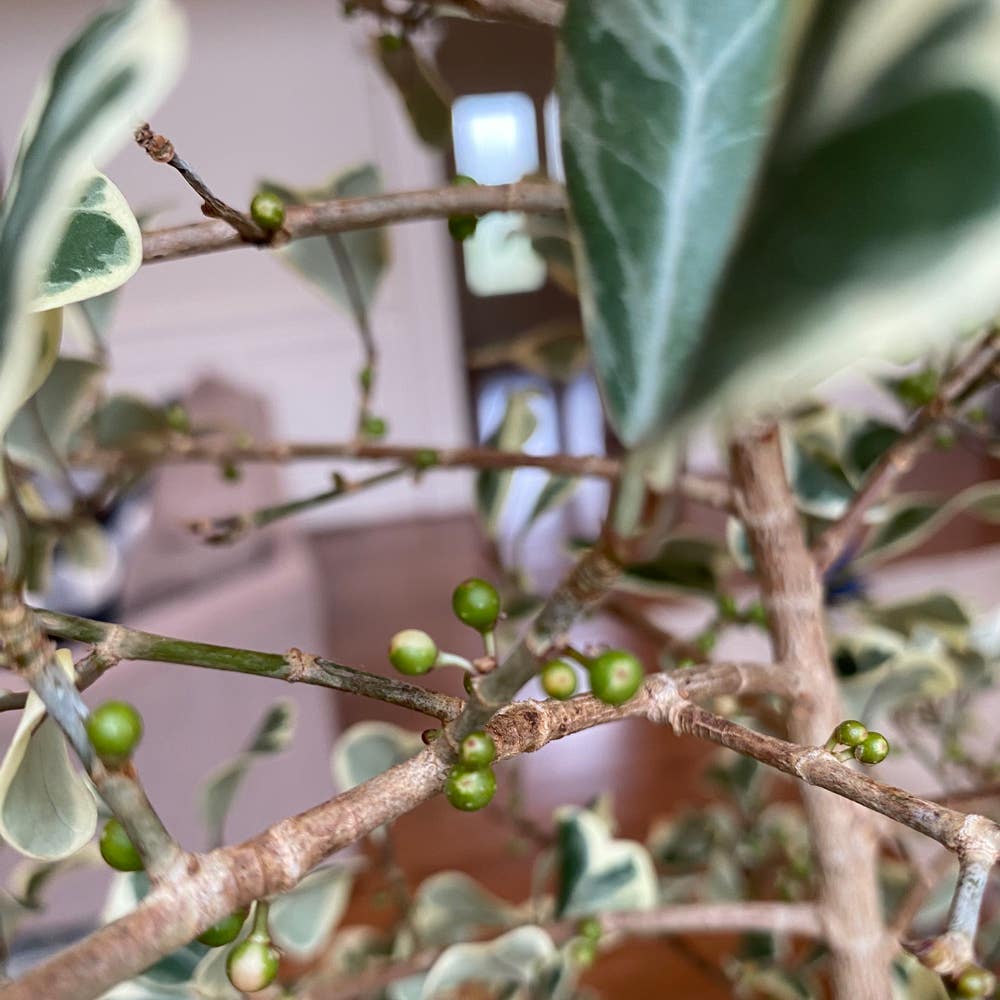
🔺 4 Tips for Healthy Variegated Triangle Fig Roots
Ficus triangularis 'Variegata'
By the Greg Editorial Team
Sep 28, 2024•6 min read
This article was created with the help of AI so we can cover more plants for you. May contain errors. See one? Report it here.
Master your variegated triangle fig's root system 🌱 for vibrant growth and thriving health!
- 🌱 Healthy roots are firm and white, while unhealthy ones are dark and mushy.
- 💧 Prevent root rot by allowing topsoil to dry out between waterings.
- 🌿 Transplant in spring or late summer to minimize stress and promote growth.
Root System Characteristics
Type of Root System 🌱
The variegated triangle fig boasts a fibrous root system, which is a game-changer for its overall health. These roots are not just efficient at nutrient uptake; they also adapt well to various soil conditions, ensuring the plant thrives in different environments.
Fibrous roots spread out widely, allowing the plant to access water and nutrients from a larger area. This adaptability is crucial, especially in fluctuating weather conditions or when planted in less-than-ideal soil types.
Understanding this root structure can help you make informed decisions about watering and fertilizing, ultimately leading to a healthier plant. With a robust root system, your variegated triangle fig is set up for success, ready to flourish in your care.
As we delve deeper into root depth and spread, you'll discover how these characteristics further influence the health and vitality of your plant.
Root Depth and Spread
Typical Root Depth 🌱
The variegated triangle fig typically develops a root depth of 2 to 3 feet under optimal conditions. However, this can vary significantly depending on soil type and moisture levels.
Root Spread 🌍
In terms of spread, expect the roots to extend about 3 to 4 feet in diameter. This spread has important implications for pot size and planting location, as it requires ample space for healthy growth.
Growth Patterns 📈
Understanding root growth patterns is crucial for overall plant health. Seasonal variations in growth can influence care practices, so keep an eye on how your plant responds throughout the year.
Healthy roots are the foundation of a thriving plant, and recognizing these patterns can help you provide the best care possible. This knowledge will set you up for success as we dive deeper into watering, fertilizing, and transplanting techniques next.
Watering, Fertilizing, and Transplanting
💧 Watering Tips
Proper watering is crucial for the health of your variegated triangle fig. Allow the topsoil to dry out between waterings to prevent over-saturation.
Deep watering encourages roots to grow downwards, enhancing stability and nutrient uptake. Ensure your pot has adequate drainage to avoid root rot, which can be detrimental to your plant's health.
🌱 Fertilizing Techniques
For optimal root health, use a balanced NPK fertilizer. This ensures your plant receives the essential nutrients it needs to thrive.
Fertilize monthly during the growing season, adjusting based on your plant's growth patterns. If you notice signs of stress, consider modifying your fertilization routine to better support root development.
🌿 Transplanting Best Practices
Timing is key when transplanting your fig. Aim for early spring or late summer to minimize stress on the plant.
When transplanting, focus on techniques that minimize root disturbance. Choose an appropriate pot size and soil type to promote healthy root development, ensuring your plant continues to flourish in its new environment.
Understanding these watering, fertilizing, and transplanting practices will set the stage for a robust root system, leading to a thriving variegated triangle fig. Next, let’s explore common root-related issues and how to tackle them effectively.
Common Root-Related Issues
Identification of Common Problems 🌱
Root rot is a significant concern for variegated triangle figs. Symptoms include yellowing leaves, wilting, and a foul smell emanating from the soil, often caused by overwatering or poor drainage.
Pests can also wreak havoc on root systems. Common culprits include root aphids and nematodes, which can lead to stunted growth and overall plant decline.
Prevention Tips 🚫
To prevent these issues, adopt best practices for watering and soil selection. Ensure your potting mix drains well and allow the topsoil to dry out between waterings.
Regularly inspecting roots during repotting can catch problems early. This proactive approach helps maintain a healthy root environment.
Solutions for Root-Related Issues 🛠️
If you encounter root rot, adjust your watering practices immediately. Consider using fungicides to treat the affected area and restore root health.
For pest management, explore both organic and chemical options. Neem oil and insecticidal soaps can be effective against root pests, providing a balanced approach to plant care.
Understanding these common root-related issues will empower you to keep your variegated triangle fig thriving. Next, we’ll delve into the differences between healthy and unhealthy roots, equipping you with the knowledge to assess your plant’s well-being.
Healthy vs. Unhealthy Roots
👀 Visual Cues for Assessing Root Health
Healthy roots are your plant's lifeline. Look for roots that are firm, white, and well-structured, indicating they are thriving and capable of efficient nutrient uptake.
In contrast, unhealthy roots present a stark warning. Dark, mushy, or foul-smelling roots signal potential problems, often stemming from overwatering or poor drainage.
⚠️ Indicators of Unhealthy Roots
Keep an eye on your plant's overall appearance. Symptoms like wilting, yellowing leaves, and stunted growth often point to root issues.
If you notice these signs, it’s time to take action. Pruning unhealthy roots and adjusting your care practices can help restore your plant's vitality.
Understanding these visual cues and indicators is crucial for maintaining a healthy variegated triangle fig. By staying vigilant, you can ensure your plant thrives and flourishes.
Next, let’s explore rootbound conditions and how to address them effectively.
Rootbound Plants
Definition and Signs of Rootbound Conditions 🌱
Rootbound plants occur when roots circle the pot, limiting growth and nutrient uptake. This condition often leads to visible signs, such as roots emerging from drainage holes and stunted plant growth.
When and How to Address Rootbound Issues 🛠️
Intervention is crucial when you notice growth slowing or becoming stagnant. To alleviate rootbound conditions, consider repotting the plant into a larger container or performing root pruning to encourage healthier growth.
By addressing rootbound issues promptly, you can help your variegated triangle fig thrive and flourish. This proactive care ensures that your plant remains healthy and vibrant, setting the stage for the next section on propagation and division.
Propagation and Division
Importance of Root Health in Propagation 🌱
Healthy roots are the backbone of successful propagation. They ensure that new plants can absorb nutrients and water effectively, leading to stronger growth and resilience.
When roots are in good condition, they support the plant during the often-stressful propagation process. This resilience is crucial for helping the plant adapt to new environments.
Techniques for Dividing and Propagating 🌿
Propagation from Cuttings (Moderate Difficulty)
- Selecting Healthy Stems: Choose stems that are 4-6 inches long and free from disease.
- Preparing the Cutting: Remove the lower leaves to encourage root growth.
- Rooting Medium: Use a mix of perlite and peat moss for optimal drainage and aeration.
- Watering and Humidity: Keep the medium moist and maintain high humidity to promote successful rooting.
Dividing Established Plants (Hard Difficulty) ✂️
- Timing: Early spring is ideal for dividing plants, as it minimizes stress.
- Tools: Use a clean, sharp knife to ensure a clean cut during division.
- Aftercare: Water the divided plants thoroughly and monitor them for signs of stress.
By following these techniques, you can ensure that your variegated triangle fig thrives through propagation and division. Healthy roots lead to vibrant plants, setting the stage for future growth and beauty.
Next, we’ll explore common root-related issues and how to address them effectively.
⚠️ Safety First
This content is for general information and may contain errors, omissions, or outdated details. It is not medical, veterinary advice, or an endorsement of therapeutic claims.
Always consult a qualified healthcare professional before using any plant as food, medicine, or supplement.
Never eat any plant (or feed one to pets) without confirming its identity with at least two trusted sources.
If you suspect poisoning, call Poison Control (800) 222-1222, the Pet Poison Helpline (800) 213-6680, or your local emergency service immediately.
Spotted an error? Please report it here.
Nurture your variegated triangle fig's roots to be vibrant and resilient 🌿 with Greg's custom watering alerts and fertilization tips that keep your plant thriving!