Black Spots on My Ficus triangularis 'Variegata' Leaves
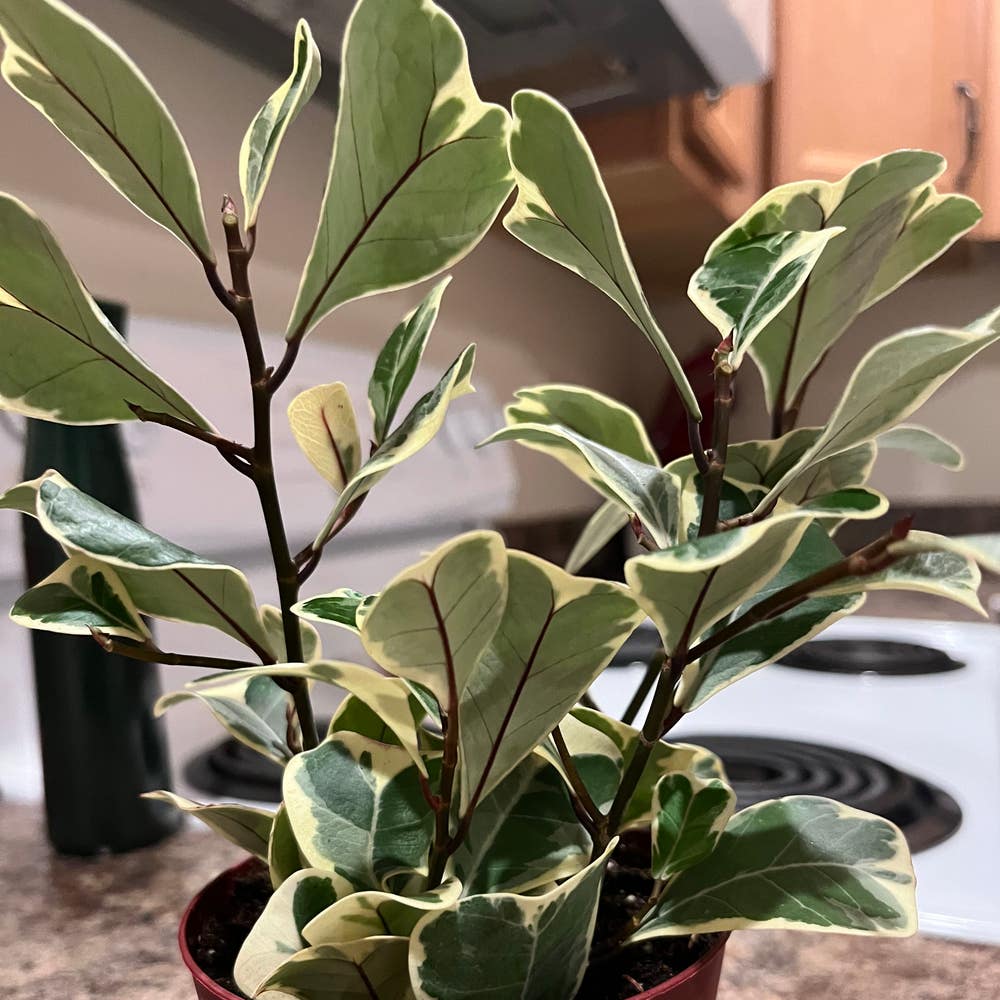
Ficus triangularis 'Variegata'
By the Greg Editorial Team
Jun 18, 2024•4 min read
This article was created with the help of AI so we can cover more plants for you. May contain errors. See one? Report it here.
Prevent the dread of black spots 🌑 on your Ficus 'Variegata' with our expert plant care secrets! 🌿
- Overwatering leads to fungal spots; let soil dry between waterings.
- High humidity and poor airflow cause bacterial spots; increase circulation.
- Avoid direct sunlight to prevent sunburn scars; find indirect light balance.
Spotting the Trouble: Recognizing Black Spots
🕵️ What Do Black Spots Look Like?
Black spots on your Ficus triangularis 'Variegata' are unwelcome guests at the leaf party. They're like blemishes on a teenager's face right before prom night—obvious and annoying. These spots can be small or large, with dark margins or concentric rings that scream "I'm an infection!"
Where to Find Them on Your Plant
Typically, these spots throw their first rave on the undersides of leaves, but they can crash anywhere. Keep a vigilant eye out for any discolored patches that might be the black spot's calling card.
The Progression of Black Spot Damage
If left unchecked, what starts as a tiny dot can expand into a full-blown leaf-covering epidemic. The spots may grow or merge, leading to larger areas of damage. It's a downward spiral—first the leaves, then the plant's overall health.

Unearthing the Causes: Why Black Spots Appear
🍄 The Fungal Connection: Overwatering Woes
Overwatering isn't just a faux pas; it's an invitation for fungi to crash at your plant's pad. The Ficus triangularis 'Variegata' doesn't appreciate soggy feet, and neither do its roots, which can start to rot, leading to those unsightly black spots. It's a classic case of too much love drowning the object of your affection.
🦠 Bacterial Battles: High Humidity and Poor Airflow
Bacteria are the ultimate opportunists, thriving in the sauna-like conditions created by high humidity and poor airflow. These microscopic party crashers slip into the tiniest of plant wounds, turning your Ficus's leaves into a canvas for black spots. The slimy texture of bacterial spots is a dead giveaway, so if things feel a bit slick, it's time to rethink your plant's living situation.
🌞 Sunburn Scars: When Light Becomes Too Much
Your Ficus can get a sunburn, too, and it doesn't look pretty. When exposed to too much direct sunlight, the leaves can develop crispy, dark patches—nature's equivalent of a bad tan. These sunburn scars are a sign that your plant is pleading for a break from its intense solar soak.

Treating the Spots: Immediate Actions to Take
💧 Adjusting Watering Habits for Fungal Issues
Overwatering is a common misstep that invites fungal issues to your Ficus triangularis 'Variegata'. To combat this, reduce watering immediately. Let the soil dry out between waterings, and ensure you're not leaving the plant with wet feet. Water at the base to keep the leaves dry, and do this early in the day to allow any accidental splashes to evaporate.
💨 Airflow and Humidity: Creating a Healthy Environment
High humidity and poor airflow are like a party invitation for bacterial problems. Increase circulation around your plant by spacing it away from others and using a fan if necessary. If your indoor jungle is more humid than a rainforest, consider a dehumidifier. And remember, your plant doesn't appreciate a steamy sauna, so keep it out of overly damp areas like bathrooms.
🌞 Sunburn Recovery: Shifting to Safer Light Conditions
If your Ficus has been sunbathing too long, it's time to move it to a shadier spot. Gradual relocation is key—don't shock the plant by moving it from one extreme to another. Think of it as easing into a hot bath. Rotate the plant regularly for even light exposure, and if you're lacking in natural light, a grow light can be a controlled alternative. Keep an eye out for new growth as a sign of recovery.

Keeping Spots at Bay: Long-Term Prevention Strategies
💧 Watering Wisdom: Best Practices for Moisture Management
Watering your Ficus triangularis 'Variegata' is less about sticking to a schedule and more about understanding its needs. Check the soil before you water—think of it as the plant's way of saying, "I'm thirsty." If the top inch is dry, it's time to hydrate. Remember, overzealous watering is a one-way ticket to Fungusville.
🌬 Circulation and Humidity: Setting Up for Success
Airflow is the unsung hero in the plant world. It's like giving your Ficus a breath of fresh air, literally. Keep the leaves dry and the air moving; a stagnant environment is a playground for bacteria. Grouping plants can boost humidity, but don't let them get too cozy—personal space is key to preventing moisture-related issues.
🌞 Light and Your Ficus: Finding the Sweet Spot
Light can be a fickle friend. Your Ficus loves it, but too much can lead to sunburn, and too little can result in a dull, spot-ridden plant. Aim for that Goldilocks zone of bright, indirect light. It's like a cozy spot by the window, but without the harsh midday sun that can lead to leaf tan lines.
⚠️ Safety First
This content is for general information and may contain errors, omissions, or outdated details. It is not medical, veterinary advice, or an endorsement of therapeutic claims.
Always consult a qualified healthcare professional before using any plant as food, medicine, or supplement.
Never eat any plant (or feed one to pets) without confirming its identity with at least two trusted sources.
If you suspect poisoning, call Poison Control (800) 222-1222, the Pet Poison Helpline (800) 213-6680, or your local emergency service immediately.
Spotted an error? Please report it here.
Keep your Ficus triangularis 'Variegata' leaves spot-free and thriving 🌿 with Greg's custom care reminders that perfectly balance watering, light, and humidity for you.