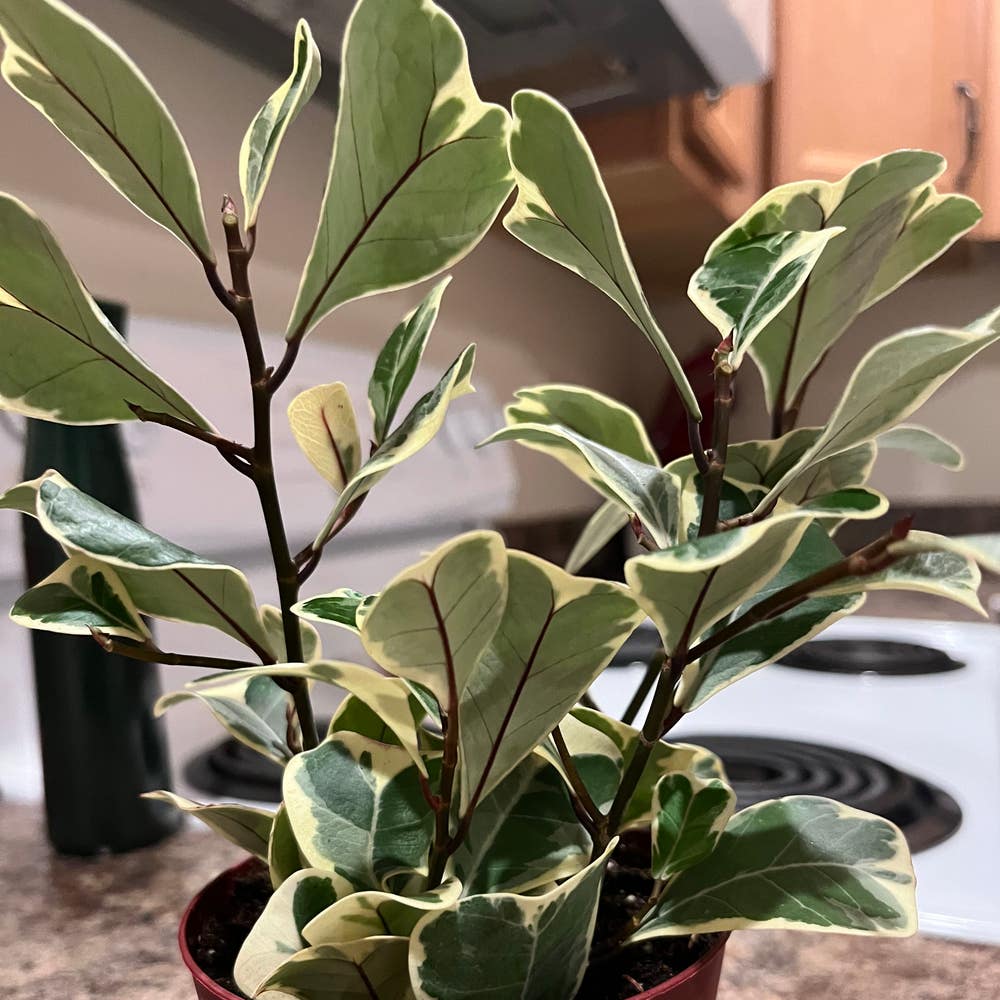
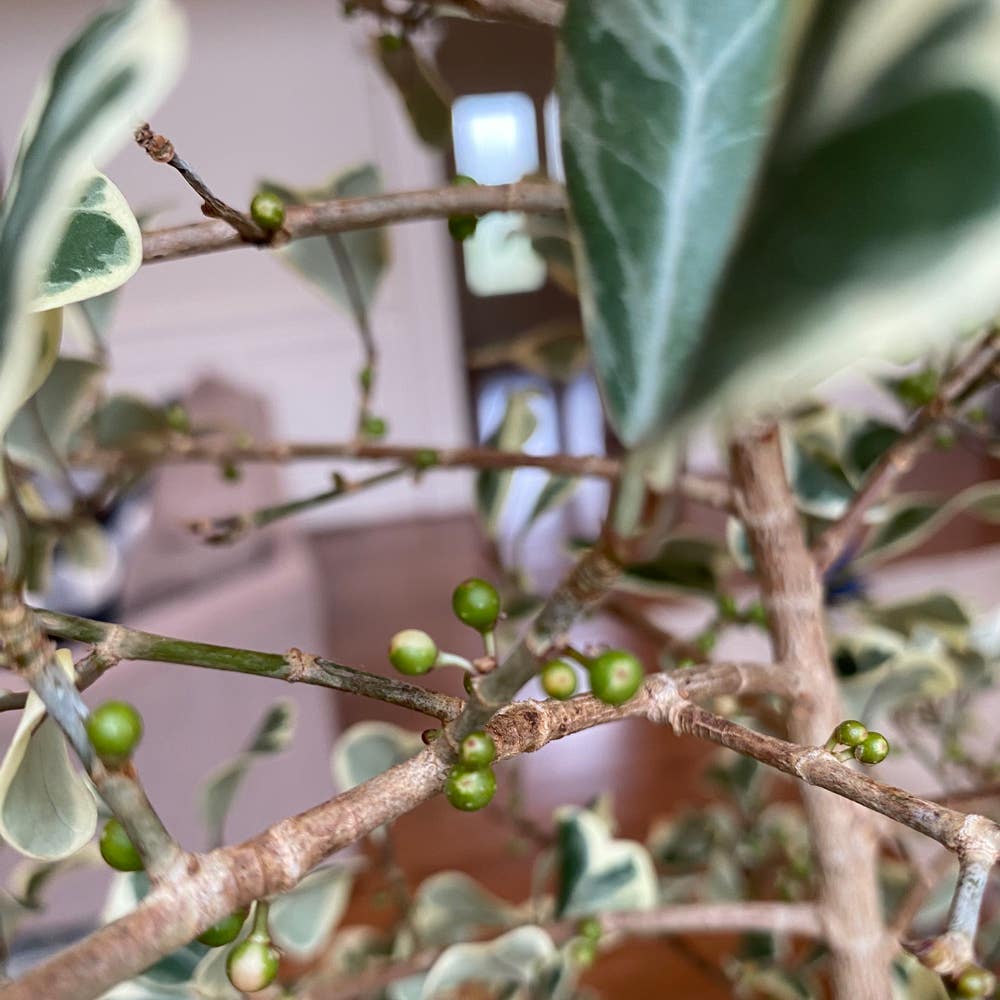
🔺 3 Tips for How to Plant Variegated Triangle Fig
Ficus triangularis 'Variegata'
By the Greg Editorial Team
Sep 28, 2024•5 min read
This article was created with the help of AI so we can cover more plants for you. May contain errors. See one? Report it here.
Unlock your garden's potential by mastering planting vs. transplanting variegated triangle figs! 🌱
- 🌱 Plant in spring or early summer for optimal growth of variegated triangle figs.
- 🌞 Avoid extreme temperatures to prevent stress during planting and transplanting.
- 🏺 Use well-draining soil and appropriate container size for healthy root expansion.
Planting vs. Transplanting
🧐 Key considerations
When deciding between planting new variegated triangle figs or transplanting established ones, several factors come into play. New plants typically have a lower cost and can adapt more easily to local conditions, while established plants may require more care but can offer immediate visual impact.
New plants take time to mature, often needing several months to establish roots. In contrast, established plants can provide instant gratification but may struggle with transplant shock, affecting their growth initially. Understanding these differences can help you make the best choice for your gardening goals.
Choosing the right approach depends on your specific circumstances, including budget and desired timeline. Whether you opt for new or established plants, each has its unique advantages and challenges that can influence your gardening success.
Planting New Variegated Triangle Fig
🌱 Optimal Timing for Planting
Spring or early summer is the best time to plant your variegated triangle fig. During these seasons, temperatures are consistently warm, promoting healthy growth.
Avoid planting during extreme heat or frost, as these conditions can stress the plant and hinder its establishment. Timing is crucial for ensuring a successful start.
🪴 Selecting the Right Soil Mix and Containers
For optimal growth, use a well-draining potting mix that combines peat, perlite, and pine bark. This mix allows for proper aeration and moisture retention.
When choosing a container, select one that is at least 2-3 inches larger in diameter than the root ball. This extra space encourages root expansion and overall plant health.
📏 Proper Depth and Spacing for Planting
Position the root ball so that the top is level with the soil surface. This ensures that the plant receives adequate moisture and nutrients.
For indoor plants, allow at least 2-3 feet of space between each one. For outdoor plants, aim for 4-6 feet to give them room to thrive.
🌞 Maintaining Ideal Growing Conditions
Provide bright, indirect light for your variegated triangle fig. Direct sunlight can scorch the leaves and stunt growth.
Maintain temperatures between 65°F to 80°F (18°C to 27°C) with moderate humidity. Water the plant when the top inch of soil feels dry, but be careful to avoid overwatering.
🌳 Hardening Off Process Before Outdoor Planting
Before moving your indoor plant outdoors, gradually acclimate it to new conditions over 7-10 days. This process helps reduce transplant shock.
Start with 1-2 hours of outdoor exposure in a shaded area, gradually increasing both time and sunlight exposure. This gentle transition prepares your plant for its new environment.
By following these steps, you'll set your variegated triangle fig up for success. Next, let’s explore how to transplant established plants for optimal growth.
Transplanting Established Variegated Triangle Fig
🌱 Optimal Timing for Transplanting
Transplanting your Variegated Triangle Fig is best done in early spring or fall. These seasons are ideal because the plant is not actively growing, allowing it to adjust more easily to its new environment.
Avoid transplanting during extreme weather conditions, such as intense heat or frost, as these can stress the plant and hinder its recovery.
🛠️ Step-by-Step Instructions for Transplanting
Removing the Plant from Its Current Location
- Water the plant a day before to reduce stress on the roots.
- Carefully dig around the root zone, ensuring you keep as much soil intact as possible.
- Gently lift the plant from the ground or pot, taking care not to damage the roots.
Preparing the New Planting Site
- Choose a location that offers appropriate light and ample space for growth.
- Amend the soil with organic matter to enhance drainage and nutrient content.
- Dig a hole that is twice the width of the root ball to give the roots plenty of room to spread.
Ensuring Proper Placement and Spacing
- Position the plant in the center of the hole for balanced growth.
- Fill in with soil, making sure the top of the root ball is level with the surrounding soil.
- Water thoroughly to eliminate any air pockets that could hinder root establishment.
💧 Tips on Watering, Mulching, and Support
Keep the soil consistently moist but not soggy for the first few weeks after transplanting. This balance is crucial for helping your plant settle into its new home.
Apply a layer of mulch around the base to retain moisture and regulate soil temperature. This simple step can make a significant difference in your plant's health.
If necessary, use stakes to stabilize the plant during its establishment phase. This support can help prevent any damage from wind or heavy rain.
Transplanting your Variegated Triangle Fig can be a rewarding experience, setting the stage for its vibrant growth. Next, let’s explore how to troubleshoot common issues that may arise during this process.
Troubleshooting Common Issues
Understanding Transplant Shock 🌱
Transplant shock can be a real hurdle for your variegated triangle fig. Symptoms often include wilting, yellowing leaves, and stunted growth, signaling that your plant is struggling to adjust.
The primary causes of transplant shock are root disruption and sudden changes in the environment. When a plant is moved, it can take time for it to re-establish itself in its new home.
Solutions for Establishment Problems 💧
To combat establishment problems, start with watering adjustments. Ensure the soil remains consistently moist but avoid overwatering, which can lead to further stress.
Fertilization is another critical factor. Hold off on fertilizing immediately after transplanting; give your plant 4-6 weeks to settle in before introducing any nutrients.
Other Common Issues and Their Remedies 🐛
Overwatering is a common pitfall. Signs include yellowing leaves and root rot, so always check for proper drainage to keep your plant healthy.
Pest management is equally important. Regularly inspect your variegated triangle fig for pests and treat any infestations with organic solutions as needed. Staying vigilant can save your plant from unnecessary stress.
By addressing these common issues, you can help your variegated triangle fig thrive in its new environment. Next, let’s explore how to maintain optimal growing conditions for your plant.
⚠️ Safety First
This content is for general information and may contain errors, omissions, or outdated details. It is not medical, veterinary advice, or an endorsement of therapeutic claims.
Always consult a qualified healthcare professional before using any plant as food, medicine, or supplement.
Never eat any plant (or feed one to pets) without confirming its identity with at least two trusted sources.
If you suspect poisoning, call Poison Control (800) 222-1222, the Pet Poison Helpline (800) 213-6680, or your local emergency service immediately.
Spotted an error? Please report it here.
Planting your variegated triangle fig is a breeze 🌱, and with Greg's tailored watering reminders and expert care tips, you'll cultivate a thriving beauty in no time!