Variegated Triangle Fig Is a Perennial
Ficus triangularis 'Variegata'
By the Greg Editorial Team
Sep 28, 2024•6 min read
This article was created with the help of AI so we can cover more plants for you. May contain errors. See one? Report it here.
Unlock the secrets to thriving gardens with the resilient variegated triangle fig 🌱—a perennial powerhouse for lasting beauty!
- 🌱 Variegated triangle fig thrives for 10-20 years with proper care and conditions.
- 🌞 Active growth occurs in spring and summer, while dormancy happens in fall and winter.
- 🌿 Strong roots enhance drought resistance and nutrient absorption for long-term health.
Characteristics of Variegated Triangle Fig as a Perennial
🌱 Multi-Year Lifecycle
The variegated triangle fig is a perennial plant, meaning it thrives over multiple years. Its lifecycle begins with germination, progressing to maturity, where it can live for many years under optimal conditions.
During its lifecycle, the fig experiences distinct seasonal growth cycles. Active growth typically occurs in spring and summer, while resting phases are common in fall and winter, allowing the plant to conserve energy.
📈 Growth Patterns and Regrowth
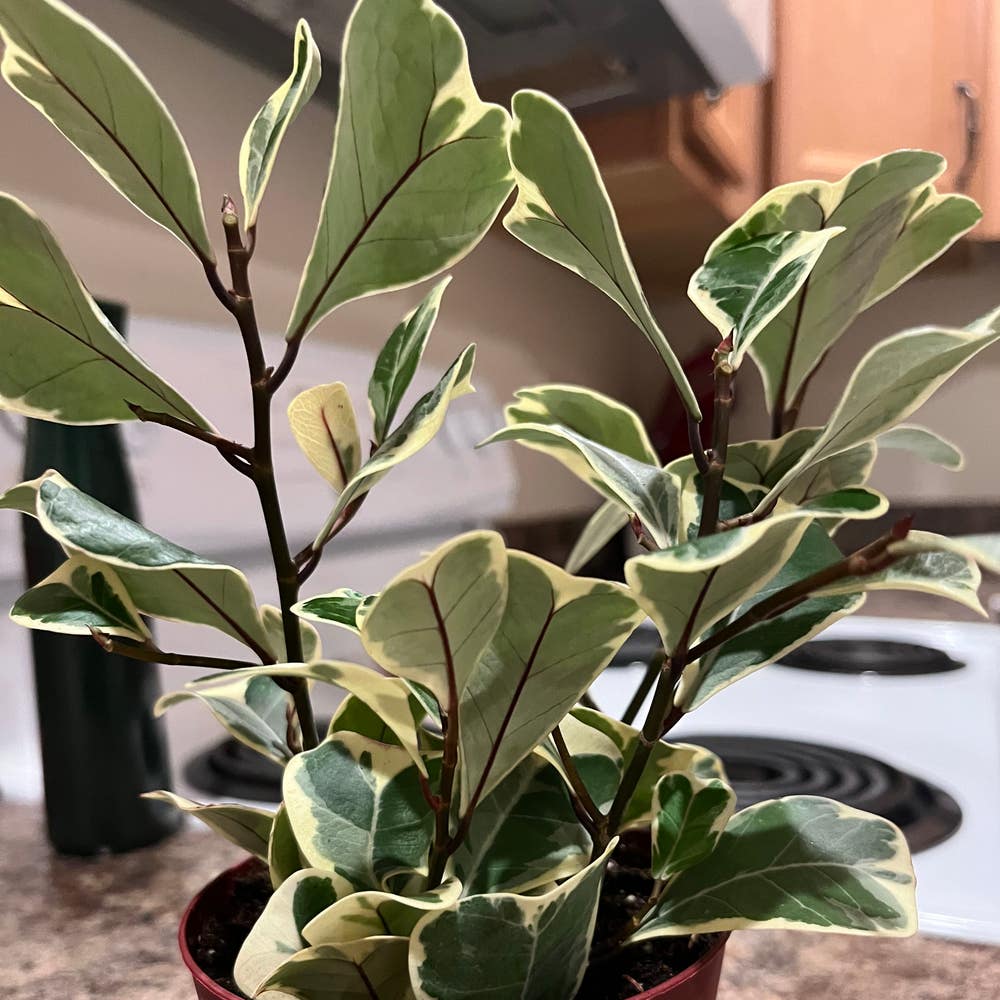
As the variegated triangle fig matures, its growth habits become evident. Over the years, it can reach impressive heights and spreads, showcasing its lush foliage and vibrant leaves.
Leaf production is a continuous process, with the plant renewing its leaves regularly. This renewal is crucial for maintaining its health and vigor.
Regrowth mechanisms play a vital role in the plant's resilience. The fig utilizes stored energy to bounce back after dormancy or stress, relying heavily on the stability of its root system for support.
A robust root system not only anchors the plant but also enhances its ability to absorb nutrients. This stability is essential for long-term growth and overall health, ensuring that the variegated triangle fig can thrive year after year.
As we explore the seasonal changes and dormancy of this remarkable plant, we’ll uncover how it adapts to varying conditions throughout the year.
Seasonal Changes and Dormancy
🌱 Dormancy Periods
Recognizing the signs of dormancy in the Variegated Triangle Fig is essential for effective care. During this phase, foliage may yellow or drop, and growth will significantly slow down.
Typically, dormancy lasts several weeks to months, depending on environmental conditions. Factors like temperature fluctuations and light availability play a crucial role in determining the duration of this rest period.
🌼 Seasonal Growth and Flowering
As the seasons change, so does the growth pattern of the Variegated Triangle Fig. Expect vigorous growth spurts in spring and summer, where the plant thrives under optimal conditions.
Conversely, fall and winter bring a noticeable slowdown. Flowering patterns are also influenced by these seasonal shifts, with specific timing and conditions necessary for successful blooms.
Understanding these seasonal dynamics can help you anticipate the plant's needs and ensure it remains healthy and vibrant throughout the year.
Advantages of Perennial Nature
🌱 Benefits of Reduced Replanting
One of the most appealing aspects of the variegated triangle fig is its cost-effectiveness. By not needing to replant every season, you save money on seeds and plants, allowing you to invest in other gardening essentials.
Additionally, the time you save on planting can be significant. Instead of starting from scratch each year, you can focus on nurturing your existing plants and enhancing your garden's overall health.
🌍 Environmental Benefits
Perennials like the variegated triangle fig contribute positively to soil stability and health. Their established root systems help prevent erosion and maintain soil structure, which is crucial for a thriving garden ecosystem.
Moreover, reduced disturbance to ecosystems is a key advantage. By minimizing replanting, you create a more stable environment for beneficial organisms, promoting biodiversity in your garden.
🌳 Importance of Established Roots
Strong roots are vital for the health of any perennial plant. They enhance nutrient uptake, ensuring that your variegated triangle fig receives the essential elements it needs to thrive.
In addition, these robust roots improve drought resistance. When the weather turns dry, your plant can tap into its deep root system, drawing moisture from the soil more effectively.
🌼 Long-Term Garden Health
The long-term health of your garden greatly benefits from established roots. They aid in soil aeration and structure, allowing for better water infiltration and root growth for surrounding plants.
Furthermore, a well-developed root system supports neighboring plants, creating a harmonious garden environment. This interconnectedness fosters a thriving ecosystem where all plants can flourish together.
As you consider the advantages of the variegated triangle fig's perennial nature, remember that these benefits extend beyond individual plants. They contribute to a healthier, more sustainable garden overall, setting the stage for future growth and success.
Next, let’s explore the expected lifespan and longevity factors that influence the health of your perennial plants.
Lifespan and Longevity Factors
Expected Lifespan 🌱
The variegated triangle fig thrives for several years under optimal conditions. Typically, you can expect a productive lifespan of around 10 to 20 years, depending on care and environmental factors.
Certain practices can extend this lifespan. Proper watering, fertilization, and pest management play crucial roles in keeping your fig healthy and vibrant.
Climate Variations ☀️
Climate significantly influences the longevity of the variegated triangle fig. In tropical zones, the plant enjoys a longer growing season, while temperate regions may limit its growth due to seasonal changes.
Humidity and temperature also impact its health. High humidity can promote growth, but extreme temperatures can stress the plant, affecting its overall lifespan.
Environmental Stressors 🦠
Pest and disease resistance is vital for the longevity of your fig. A healthy plant can fend off common pests, while those under stress may succumb more easily.
Adaptability to changing conditions is another key factor. A resilient plant can adjust to fluctuations in its environment, ensuring it remains productive for years to come.
Understanding these lifespan and longevity factors can help you cultivate a thriving variegated triangle fig. With the right care and attention, you can enjoy its beauty and benefits for many seasons ahead.
Next, we’ll explore how to maximize the benefits of your perennial plants through effective garden planning and cultivation strategies.
Maximizing Perennial Benefits
🌱 Garden Planning Tips
Strategic placement is crucial for the success of your variegated triangle fig. Consider sunlight and shade; these plants thrive best in bright, indirect light.
Companion planting can also enhance growth. Pairing your fig with compatible plants can improve nutrient uptake and deter pests.
🌦️ Seasonal Care Adjustments
Keep an eye on your plants for any signs of stress. Regular monitoring helps you catch issues early, ensuring your fig remains healthy throughout the seasons.
Adjust your care routine based on seasonal changes. This might mean altering watering schedules or providing extra support during growth spurts.
🌳 Long-Term Cultivation Strategies
Regular assessments of root health are essential. Healthy roots lead to robust plants, so check for any signs of rot or disease.
Establish a fertilization and watering schedule that suits your plant's needs. Consistency is key to maintaining vigor over the years.
📈 Planning for Future Growth
Anticipate space needs as your variegated triangle fig matures. Planning ahead can prevent overcrowding and ensure each plant has room to thrive.
Adjust your garden layout as necessary. This flexibility allows for optimal growth and helps maintain a balanced ecosystem in your garden.
With these strategies, you can maximize the benefits of your perennial plants, ensuring they flourish for years to come. Next, let’s explore the factors that influence their lifespan and longevity.
⚠️ Safety First
This content is for general information and may contain errors, omissions, or outdated details. It is not medical, veterinary advice, or an endorsement of therapeutic claims.
Always consult a qualified healthcare professional before using any plant as food, medicine, or supplement.
Never eat any plant (or feed one to pets) without confirming its identity with at least two trusted sources.
If you suspect poisoning, call Poison Control (800) 222-1222, the Pet Poison Helpline (800) 213-6680, or your local emergency service immediately.
Spotted an error? Please report it here.
Ensure your variegated triangle fig thrives for years to come 🌿 with Greg's tailored care reminders and growth tips that keep your plant flourishing through every season!