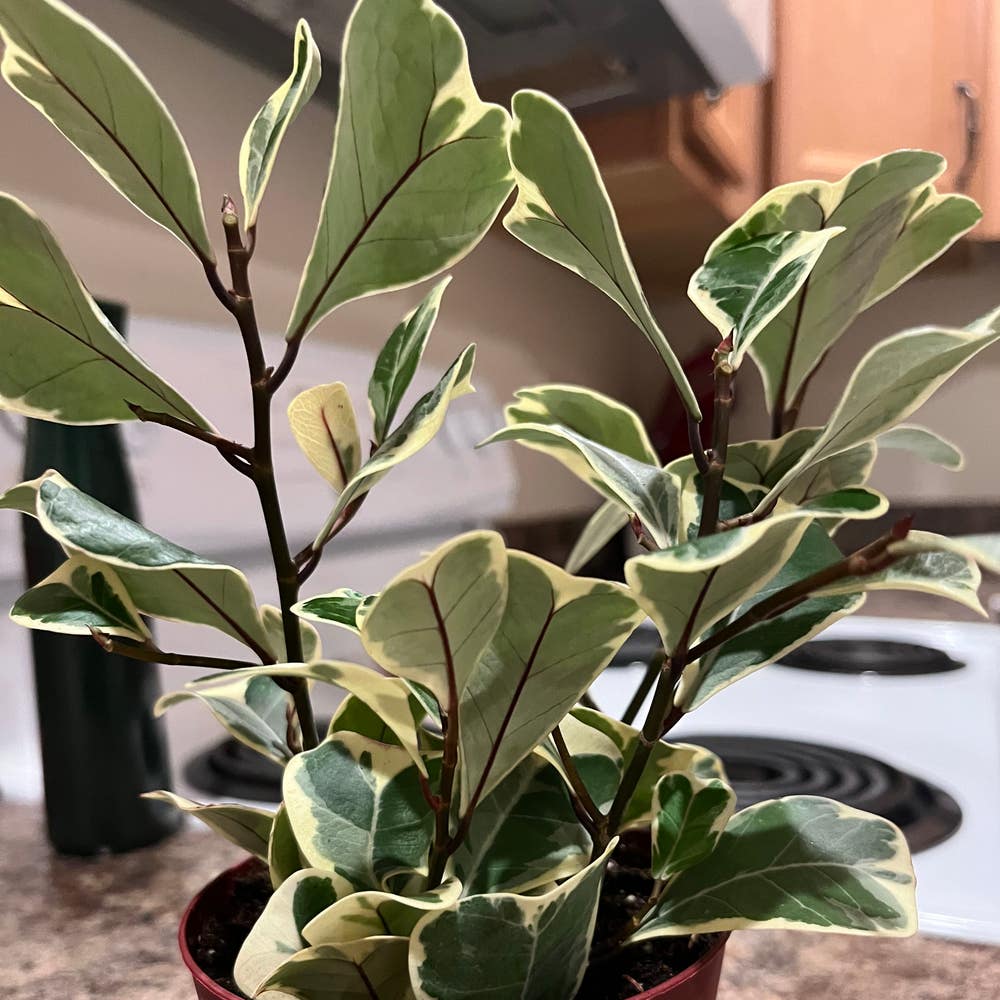
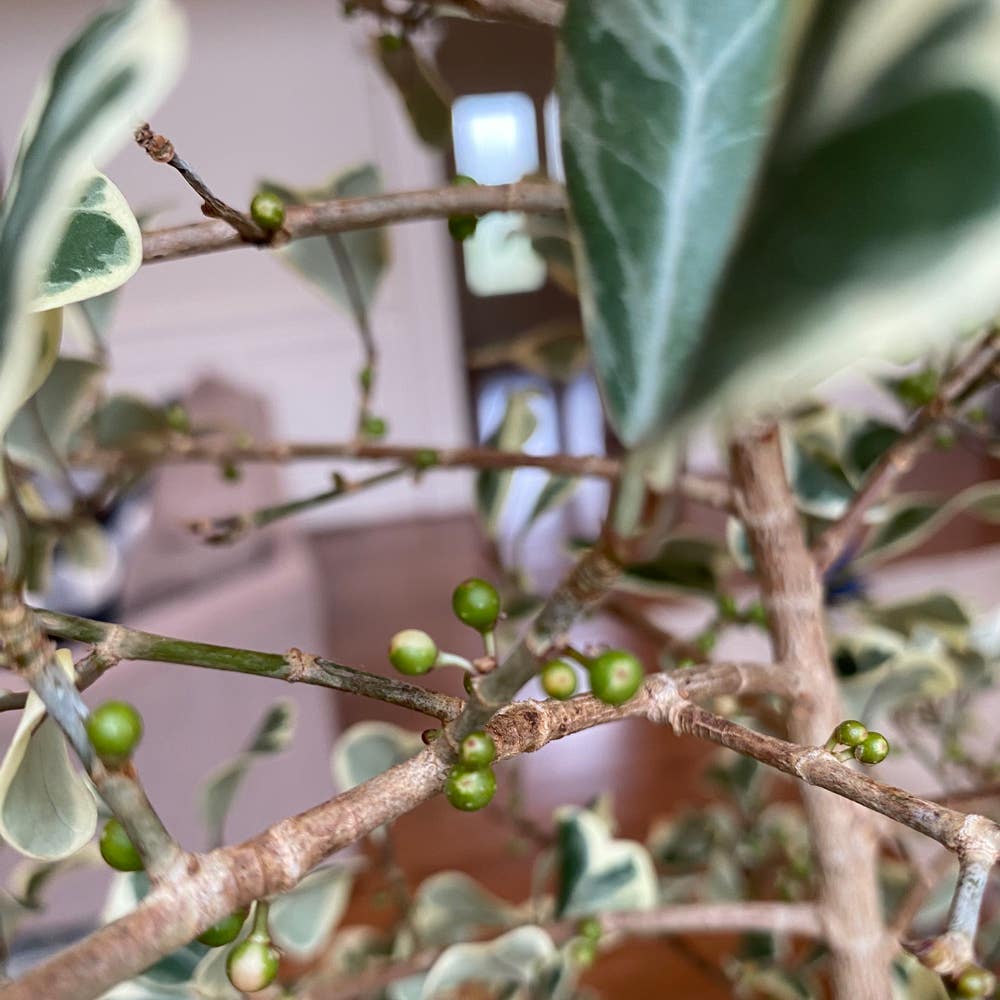
❄️ 6 Winter Care Mistakes to Avoid with Variegated Triangle Fig
Ficus triangularis 'Variegata'
By the Greg Editorial Team
Sep 28, 2024•5 min read
This article was created with the help of AI so we can cover more plants for you. May contain errors. See one? Report it here.
Ensure your variegated triangle fig thrives this winter with essential care tips for frost protection! 🌱❄️
- ❄️ Frost damage signs include browning edges and wilting leaves; act quickly!
- 🌱 Water less in winter to prevent root rot; check soil moisture regularly.
- 🌿 Mulching and covering plants protect against frost; ensure proper indoor lighting.
Signs of Frost Damage
Identifying Frost Damage ❄️
Frost damage can manifest in several ways, primarily affecting the leaves and stems of your variegated triangle fig. Look for browning edges, wilting, or a mushy texture on the leaves, which are clear indicators that your plant has suffered from cold exposure.
Stem damage is another telltale sign. Darkened or soft spots on the stems suggest that the plant is struggling to cope with the chilly conditions.
Recovery from Frost Damage 🌱
If you notice frost damage, immediate action is crucial. Prune away any damaged leaves and stems to help the plant redirect its energy toward healthy growth.
After pruning, keep a close eye on new growth. Monitoring for signs of recovery will help you determine if your plant is bouncing back from the frost.
By recognizing these signs early, you can take proactive steps to ensure your variegated triangle fig thrives despite winter's challenges. Next, let’s explore how to adjust your watering and fertilizing schedules for optimal care during the colder months.
Adjusting Watering and Fertilizing Schedules
💧 Watering Schedule Adjustments
During winter, it's crucial to adjust your watering routine for the variegated triangle fig. Water less frequently to prevent root rot, which can be a common issue in cooler months.
Before watering, always check the soil moisture. Ensure the top 1-2 inches of soil are dry to the touch; this simple step can save your plant from overwatering.
🌱 Fertilizing Schedule Adjustments
Fertilization should also be put on hold during winter. Delay applying fertilizers until spring when your plant begins to show signs of new growth.
When it's time to fertilize, focus on using balanced fertilizers. This will provide the necessary nutrients for your variegated triangle fig as it resumes its growth cycle.
By making these adjustments, you set your plant up for a healthy transition into spring. Next, let’s explore how to protect your fig from frost damage effectively.
Protection from Frost
Best Practices for Outdoor Protection 🌨️
To safeguard your variegated triangle fig from frost, start with mulching. A layer of mulch around the base helps insulate the roots, keeping them warm during chilly nights.
Additionally, covering your plants with frost cloths or blankets can provide an extra layer of protection during cold snaps. This simple step can make a significant difference in preventing frost damage.
Indoor Care Strategies 🏠
When bringing your fig indoors, optimal placement is crucial. Position it in a spot with bright, indirect light to ensure it thrives even in winter.
Temperature control is equally important. Aim to maintain indoor temperatures above 60°F (15°C) to keep your plant healthy and happy throughout the colder months.
By following these protective measures, you can help your variegated triangle fig endure winter's chill and emerge ready for spring. Next, let’s explore how to adjust watering and fertilizing schedules for optimal care during this season.
Cold Hardiness
🌡️ Temperature Tolerance
The variegated triangle fig thrives best in a temperature range of 60°F to 75°F (15°C to 24°C). Staying within this sweet spot helps ensure vibrant foliage and robust growth.
However, this plant is particularly sensitive to cold. The unique variegation in its leaves can make it more susceptible to frost damage, so keep an eye on those temperatures.
🗺️ Identifying Cold Hardiness Zones
Typically, the variegated triangle fig is suited for USDA hardiness zones 10-11. Knowing your zone can help you provide the right care for your plant.
Consider local climate fluctuations when planning your care routine. Adjustments may be necessary to protect your fig from unexpected cold snaps or temperature drops.
With the right attention to temperature and hardiness zones, your variegated triangle fig can flourish even through the winter months. Next, let’s explore how to prepare for spring and ensure your plant's recovery from winter challenges.
Spring Preparation
Signs of Recovery from Winter Damage 🌱
As spring approaches, keep an eye out for signs of recovery in your variegated triangle fig. Fresh leaves and stems emerging are a great indicator that your plant is bouncing back.
Another telltale sign is the return of vibrant variegation. This colorful foliage not only signifies health but also adds beauty to your indoor space.
Reintroducing Fertilizers in Spring 🌼
Timing is crucial when it comes to fertilizing your plant. Start the fertilization process as soon as you notice new growth.
Opt for a balanced, slow-release fertilizer to support optimal recovery. This approach ensures your plant gets the nutrients it needs without overwhelming it after a long winter.
With these steps, you'll set your variegated triangle fig up for a thriving spring. Next, let’s explore common winter problems that can affect your plant’s health.
Common Winter Problems
Pests and Diseases in Winter 🐜
Winter can be a tricky time for your variegated triangle fig. Common pests like scale insects and spider mites often thrive indoors, taking advantage of the cozy environment.
These pests can weaken your plant, leading to stunted growth and unsightly damage. Additionally, the risk of root rot increases due to overwatering in cooler temperatures, which can be a silent killer for your fig.
Solutions for Leaf Drop and Yellowing 🍂
If you notice leaf drop, it’s time to adjust your watering routine. Ensure you’re not overwatering and check for any pests lurking on the leaves.
Yellowing leaves can signal a need for better light and humidity levels. If your plant is root-bound, consider repotting to give it more room to thrive.
By staying vigilant and proactive, you can help your variegated triangle fig navigate the winter months successfully. Next, let’s explore how to prepare for spring and ensure your plant bounces back beautifully.
⚠️ Safety First
This content is for general information and may contain errors, omissions, or outdated details. It is not medical, veterinary advice, or an endorsement of therapeutic claims.
Always consult a qualified healthcare professional before using any plant as food, medicine, or supplement.
Never eat any plant (or feed one to pets) without confirming its identity with at least two trusted sources.
If you suspect poisoning, call Poison Control (800) 222-1222, the Pet Poison Helpline (800) 213-6680, or your local emergency service immediately.
Spotted an error? Please report it here.
Keep your variegated triangle fig thriving this winter ❄️ by using Greg for tailored watering reminders and pest alerts that ensure a vibrant spring recovery!