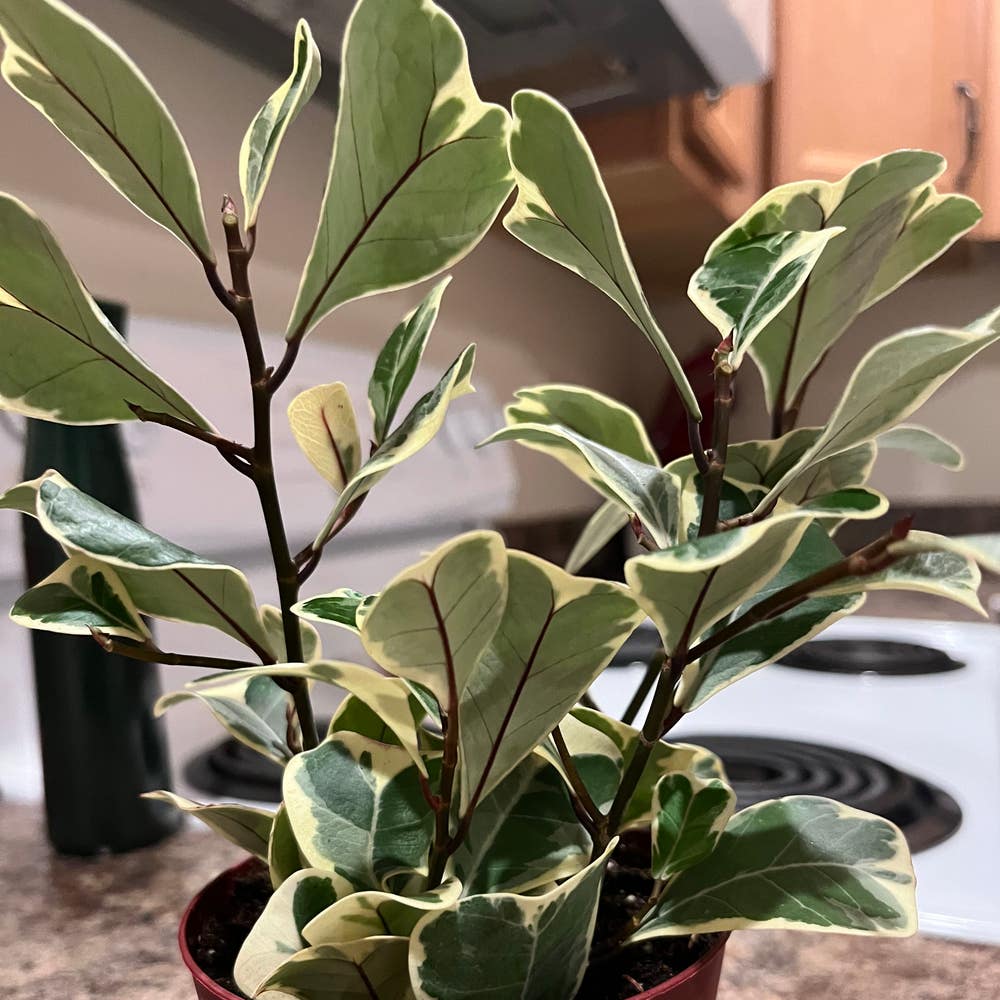
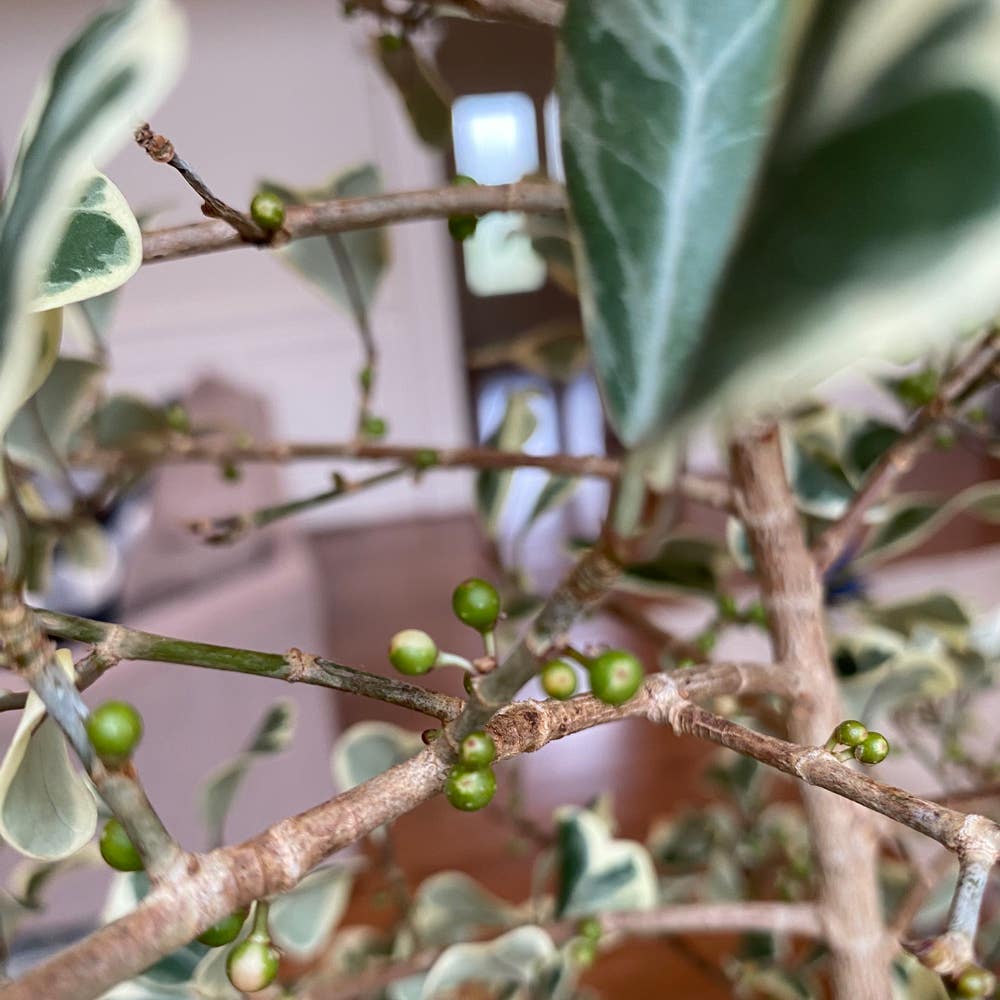
Best Size and Type of Pot for Variegated Triangle Fig 🪴
Ficus triangularis 'Variegata'
By the Greg Editorial Team
Sep 28, 2024•5 min read
This article was created with the help of AI so we can cover more plants for you. May contain errors. See one? Report it here.
Maximize your Variegated Triangle Fig's growth 🌱 by mastering pot selection for every stage of its life!
- 🌱 Right pot size is crucial for Variegated Triangle Fig growth stages.
- 🏺 Clay pots breathe well, but can be heavy and crack easily.
- 🚫 Always choose pots with drainage holes to prevent root rot.
Importance of Pot Size for Growth Stages
🌱 Growth Stages
Choosing the right pot size is crucial for your Variegated Triangle Fig's growth. In the juvenile phase, a smaller pot (4-6 inches in diameter) provides just enough space for young roots to establish.
As your plant matures, transitioning to a medium pot (8-10 inches) supports its expanding root system. For fully grown plants, opt for a larger pot (12-14 inches) to accommodate their robust growth.
📏 Effects of Pot Size on Growth
Pot size significantly impacts root development. Adequate space allows roots to expand freely, promoting overall plant health.
Nutrient availability is another vital factor. A larger soil volume ensures your plant can access the nutrients it needs for thriving growth.
Water retention also plays a key role. The right pot size helps balance moisture levels, preventing both drought and overwatering, which can be detrimental to your plant's health.
Understanding these aspects will guide you in selecting the perfect pot for each growth stage of your Variegated Triangle Fig. This knowledge sets the foundation for a flourishing plant, ready to transition smoothly into the next phase of care.
Ideal Pot Materials
🌱 Clay Pots
Clay pots are a classic choice for plant lovers. They offer excellent breathability and moisture regulation, allowing your Variegated Triangle Fig to thrive.
However, they come with some downsides. Clay pots are heavier and can crack in extreme temperatures, which might not be ideal for everyone.
🪴 Plastic Pots
Plastic pots are a popular alternative, especially for those who prefer lightweight options. They come in various sizes and retain moisture well, making them convenient for busy plant parents.
On the flip side, plastic pots are less breathable. This can lead to overwatering issues if you’re not careful with your watering routine.
🍶 Other Materials
Ceramic pots add a touch of aesthetic appeal to your plant display. While they look great, they can be heavy and less breathable than other options.
Biodegradable pots are an eco-friendly choice, but they may not last as long as traditional materials. Consider your long-term needs when selecting these options.
Choosing the right pot material is crucial for the health of your Variegated Triangle Fig. Each option has its pros and cons, so weigh them carefully to find the best fit for your plant's needs.
Next, let’s explore the role of drainage holes in maintaining pot health.
Role of Drainage Holes in Pot Health
Importance of Drainage in Preventing Root Rot 🌊
Root rot is a common issue for plants, especially the Variegated Triangle Fig. It occurs when excess moisture accumulates in the soil, leading to poor drainage and ultimately damaging the roots.
To prevent this, ensure your pot has at least 1-3 drainage holes at the bottom. This allows excess water to escape, keeping the roots healthy and thriving.
Choosing Pots with Proper Drainage 🪴
When selecting a pot, assess its drainage capabilities. You can do this by testing how quickly water flows through the holes after watering.
Proper drainage is crucial for maintaining healthy soil moisture levels. It helps prevent waterlogged conditions that can harm your plant's roots.
Repotting Guidelines
Repotting your Variegated Triangle Fig is essential for its health and growth. Knowing when and how to repot can make all the difference in keeping your plant thriving.
🕒 When to Repot
Look for signs that your plant needs a new home. If you see roots poking through the drainage holes or notice stunted growth, it’s time to repot.
Generally, aim to repot every 1-2 years. However, if your plant is outgrowing its pot faster, don’t hesitate to act sooner.
📋 Step-by-Step Guide to Repotting
1. Prepare New Pot
Start by selecting a new pot with drainage holes. This is crucial for preventing water buildup.
2. Remove the Plant
Gently loosen the soil around the roots. Take care not to damage them during this process.
3. Inspect Roots
Check the roots for any damage or excessive length. Trim away any unhealthy sections to promote better growth.
4. Add Potting Soil
Fill the new pot with fresh potting mix. This will provide your plant with the nutrients it needs.
5. Position the Plant
Center the plant in its new pot. Fill in around it with more soil, ensuring it’s stable.
6. Water Thoroughly
Finally, give your plant a good drink. Ensure the soil is moist but not waterlogged to avoid root rot.
By following these steps, you’ll set your Variegated Triangle Fig up for success. Next, let’s explore common mistakes in pot selection to ensure you’re making the best choices for your plant’s health.
Common Mistakes in Pot Selection
Choosing Pots Without Drainage Holes 🚫
One of the biggest blunders you can make is selecting pots without drainage holes. This oversight can lead to root rot and overwatering, both of which can be detrimental to your Variegated Triangle Fig.
Selecting Pots That Are Too Small or Too Large 📏
Choosing the wrong pot size can have serious consequences. Pots that are too small can stunt growth, while those that are too large may cause root circling, leading to unhealthy plants.
Ignoring Material Properties Affecting Plant Health 🧱
The material of your pot plays a crucial role in plant health. Different materials can impact moisture retention and temperature, so it's essential to select pots that meet the specific needs of your Variegated Triangle Fig.
Finding the right pot is more than just aesthetics; it’s about creating a nurturing environment for your plant. By avoiding these common mistakes, you set your plant up for success and vibrant growth. Next, let’s explore the importance of drainage holes in maintaining pot health.
⚠️ Safety First
This content is for general information and may contain errors, omissions, or outdated details. It is not medical, veterinary advice, or an endorsement of therapeutic claims.
Always consult a qualified healthcare professional before using any plant as food, medicine, or supplement.
Never eat any plant (or feed one to pets) without confirming its identity with at least two trusted sources.
If you suspect poisoning, call Poison Control (800) 222-1222, the Pet Poison Helpline (800) 213-6680, or your local emergency service immediately.
Spotted an error? Please report it here.
Get your Variegated Triangle Fig thriving in the perfect pot 🪴 by using Greg's tailored tips for optimal size and material selection!