🐛 What's Eating Your Moon Valley Pilea
Pilea mollis
By the Greg Editorial Team
Oct 02, 2024•6 min read
This article was created with the help of AI so we can cover more plants for you. May contain errors. See one? Report it here.
- 🌱 Moon Valley Pilea attracts herbivores like deer, rabbits, and squirrels—know your threats!
- 🚫 Effective deterrents include repellents, fencing, and companion planting to protect your plant.
- 🔍 Regular monitoring helps catch herbivore damage early, ensuring your Pilea thrives.
Description and Appeal of Moon Valley Pilea
Appearance and Unique Features 🌿
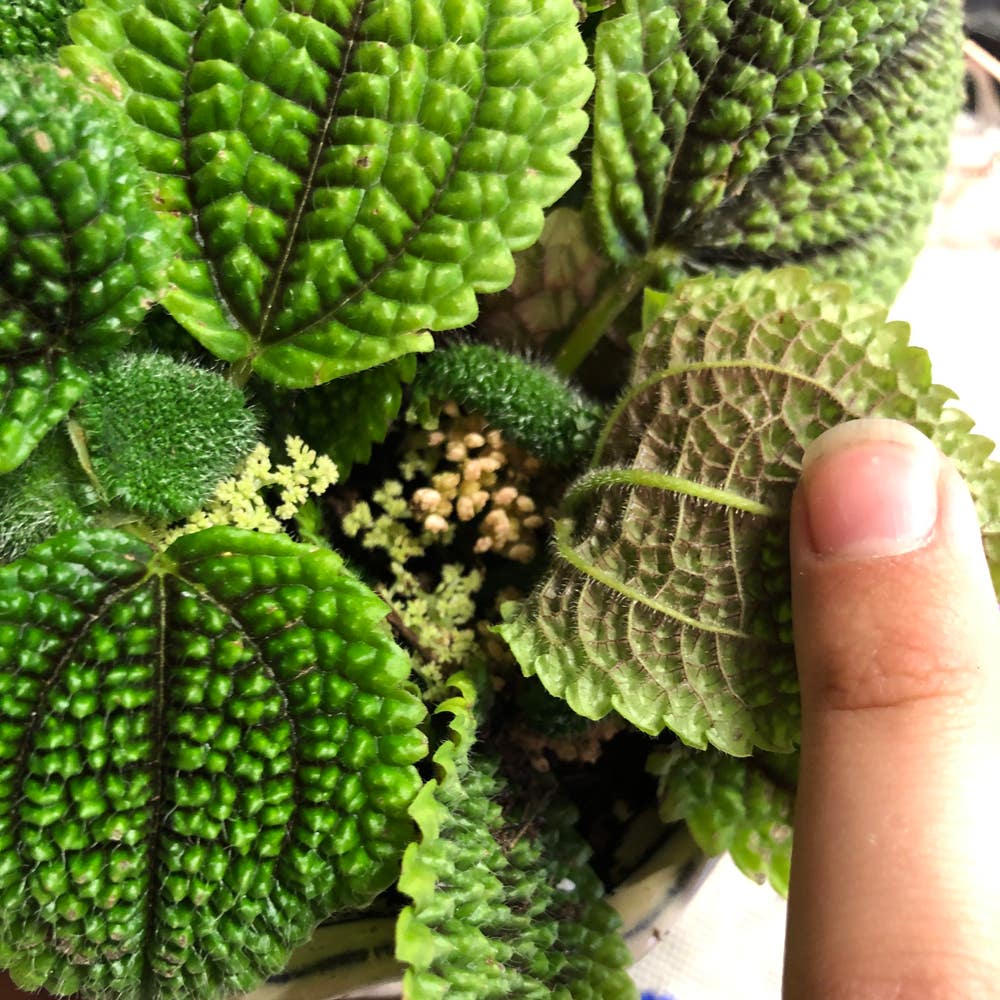
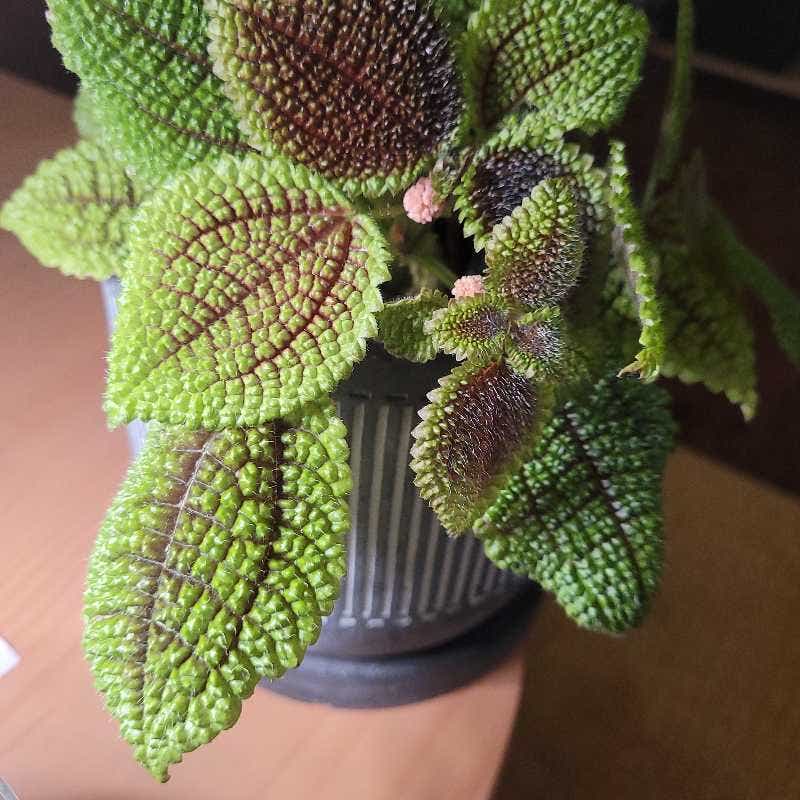
The Moon Valley Pilea is a stunning houseplant that captivates with its distinctive textured leaves. These crinkled leaves not only add visual interest but also create a compact and bushy growth habit, typically reaching up to 12 inches in height.
The bright green color of the leaves, combined with a glossy finish, makes this plant a standout in any indoor garden. Its unique appearance is sure to draw attention and admiration from plant enthusiasts and casual observers alike.
Most Appealing Parts to Animals 🐾
Herbivores find the Moon Valley Pilea particularly enticing, especially its young shoots. These tender, succulent shoots are a favorite snack for many animals, making them a prime target.
The leaves are also rich in moisture and nutrients, further attracting various herbivores. If the plant produces flowers or fruits, these sweet additions can be irresistible to animals, increasing the likelihood of damage to your beloved Pilea.
With its appealing features, the Moon Valley Pilea is not just a beautiful plant; it’s also a magnet for curious creatures. Understanding what attracts these animals can help you protect your plant effectively.
As we delve deeper into the common herbivores that affect the Moon Valley Pilea, you'll discover how to safeguard your plant from these hungry visitors.
Common Herbivores Affecting Moon Valley Pilea
🦌 Deer
Signs of Presence and Damage Caused
Look for hoof prints in muddy areas near your Moon Valley Pilea. Browsing on leaves often results in jagged edges and stunted growth.
Beneficial vs. Harmful Interaction
Deer interactions are generally harmful. If not managed, they can decimate your plant population.
Deterrent Methods (Difficulty: Moderate)
To deter deer, consider using commercial repellents with strong scents. Alternatively, planting strong-smelling herbs like lavender nearby can help keep them at bay.
🐇 Rabbits
Signs of Presence and Damage Caused
Keep an eye out for small, round droppings near your plants. Chewed leaves and stems often leave a clean cut, indicating rabbit activity.
Beneficial vs. Harmful Interaction
Rabbits are generally harmful to your Moon Valley Pilea. Their feeding can lead to significant plant damage.
Deterrent Methods (Difficulty: Easy)
Bitter-tasting sprays can effectively deter rabbits from feeding. You might also consider fencing or netting around the plant for added protection.
🐿️ Squirrels
Signs of Presence and Damage Caused
Look for scratches on the soil and chewed leaves. Squirrels often gnaw on stems and may uproot plants entirely.
Beneficial vs. Harmful Interaction
Squirrels are generally harmful. Their activities can disrupt plant growth and stability.
Deterrent Methods (Difficulty: Moderate)
Squirrel repellents containing capsaicin can be effective. Installing motion-activated sprinklers is another organic option to scare them away.
🐦 Birds
Signs of Presence and Damage Caused
Bird droppings on leaves and peck marks are signs of their presence. They often remove young shoots and flowers, causing damage.
Beneficial vs. Harmful Interaction
Bird interactions can be mixed. While some birds help control pests, others may cause damage to your plants.
Deterrent Methods (Difficulty: Easy)
Bird deterrent gels can help keep them away. Hanging reflective objects can also scare birds off your Moon Valley Pilea.
🐭 Rodents (Mice, Voles, etc.)
Signs of Presence and Damage Caused
Look for small holes in the soil and droppings. Rodents often gnaw on roots and stems, leading to plant instability.
Beneficial vs. Harmful Interaction
Rodents are generally harmful. Their presence can lead to severe plant damage.
Deterrent Methods (Difficulty: Hard)
Consider using rodent bait stations for chemical control. Planting mint or using traps can serve as organic deterrents.
🦡 Groundhogs/Woodchucks
Signs of Presence and Damage Caused
Burrows near the plant and droppings are clear signs of groundhogs. They can completely remove plants, especially young shoots.
Beneficial vs. Harmful Interaction
Groundhogs are generally harmful. They can devastate garden areas if not managed properly.
Deterrent Methods (Difficulty: Hard)
Commercial repellents can help deter groundhogs. Fencing at least 3 feet high and buried underground is another effective strategy.
Understanding these common herbivores and their impact on your Moon Valley Pilea is crucial for maintaining a healthy garden. With the right deterrent methods, you can protect your plants and enjoy their beauty for years to come.
Beneficial Animals and Ecosystem Impact
🐝 Description of Beneficial Animals
In your garden, beneficial animals play a crucial role. Pollinators like bees and butterflies are drawn to the vibrant flowers of your Moon Valley Pilea, helping to fertilize plants and promote growth.
Predatory insects, such as ladybugs and lacewings, are nature’s pest controllers. They feast on aphids and other harmful pests, keeping your garden healthy without the need for harsh chemicals.
🌱 Positive Impacts on the Garden Ecosystem
The presence of these beneficial creatures enhances biodiversity. A diverse ecosystem is more resilient, making it easier for plants to thrive.
Moreover, these animals contribute to natural pest control. By reducing pest populations, they lessen the reliance on chemical interventions, promoting a healthier garden environment.
Incorporating beneficial animals into your gardening strategy not only supports plant health but also fosters a thriving ecosystem. This balance is essential for sustainable gardening practices.
General Strategies for Protection
🛡️ Preventive Measures
Regular monitoring is key to keeping your Moon Valley Pilea safe. Inspect your plants frequently for signs of herbivore activity, such as chewed leaves or droppings.
Companion planting can also be a game-changer. By placing plants that deter herbivores nearby, you create a natural barrier that helps protect your prized Pilea.
⚠️ Reactive Solutions
When you notice signs of damage, immediate action is essential. Use deterrents right away to minimize further harm to your plants.
For larger herbivores, trapping can be an effective solution. Employ humane traps to relocate these animals without causing them harm.
🌱 Seasonal Variations in Animal Attraction
Understanding seasonal patterns can help you anticipate herbivore activity. In spring, as plants emerge, expect increased activity from hungry herbivores.
Summer brings peak feeding times, so stay vigilant. By fall, animals prepare for winter, leading to increased foraging, which can put your plants at risk.
By implementing these strategies, you can create a protective environment for your Moon Valley Pilea, ensuring it thrives despite the challenges posed by hungry herbivores. Next, let’s explore the toxicity of the Moon Valley Pilea and its implications for animal interactions.
Toxicity and Animal Interaction
Discussion of Toxic Effects 🐾
The Moon Valley Pilea has mild toxicity, primarily due to compounds that can cause gastrointestinal upset in some animals. While this may deter certain herbivores, it’s essential to recognize that not all animals will be affected equally.
Implications for Garden Management 🌿
Understanding the plant's toxicity can be a valuable tool in managing herbivore populations. Educating gardeners about safe practices helps minimize harm to both plants and animals, creating a more balanced garden ecosystem.
By being aware of these interactions, you can better protect your Moon Valley Pilea while fostering a healthy environment for all creatures involved. This knowledge empowers you to make informed decisions about plant care and animal management.
⚠️ Safety First
This content is for general information and may contain errors, omissions, or outdated details. It is not medical, veterinary advice, or an endorsement of therapeutic claims.
Always consult a qualified healthcare professional before using any plant as food, medicine, or supplement.
Never eat any plant (or feed one to pets) without confirming its identity with at least two trusted sources.
If you suspect poisoning, call Poison Control (800) 222-1222, the Pet Poison Helpline (800) 213-6680, or your local emergency service immediately.
Spotted an error? Please report it here.
Keep your Moon Valley Pilea thriving 🌱 by using Greg's personalized care tips and reminders to fend off pesky herbivores and ensure your plant stays beautiful!