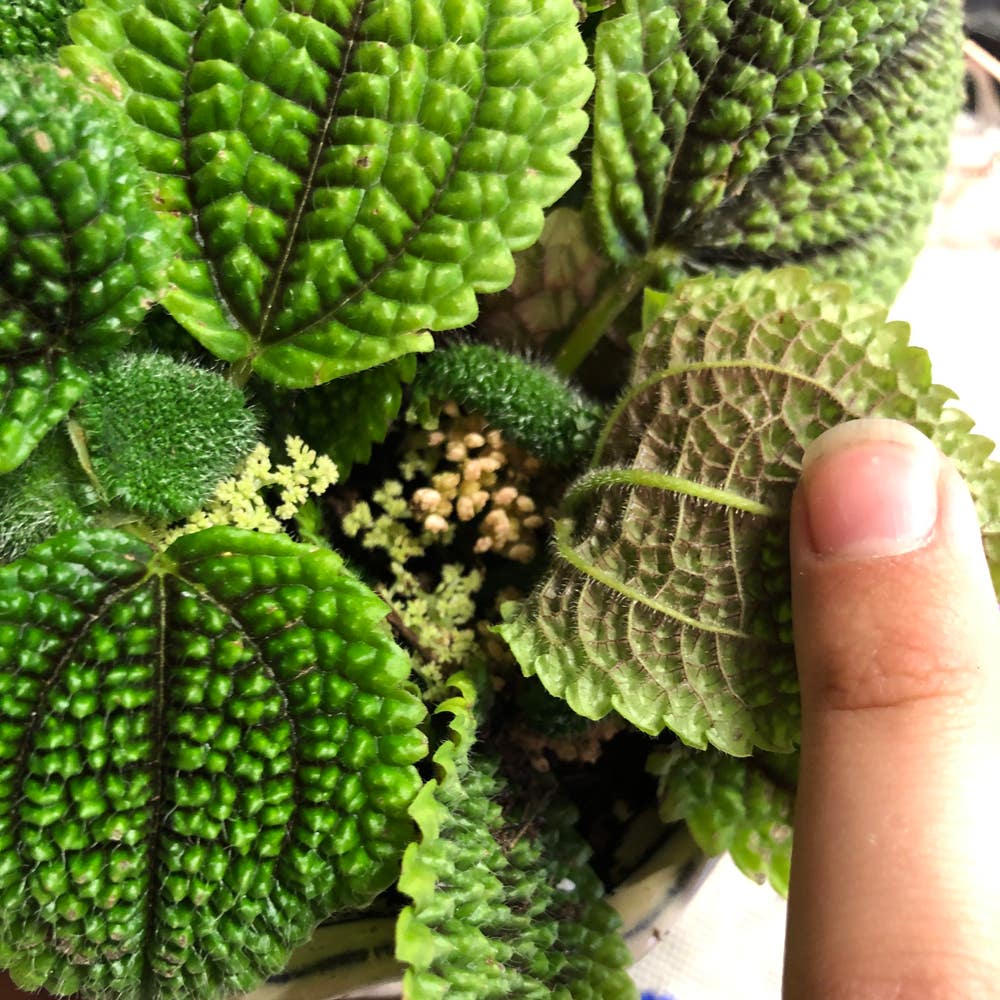
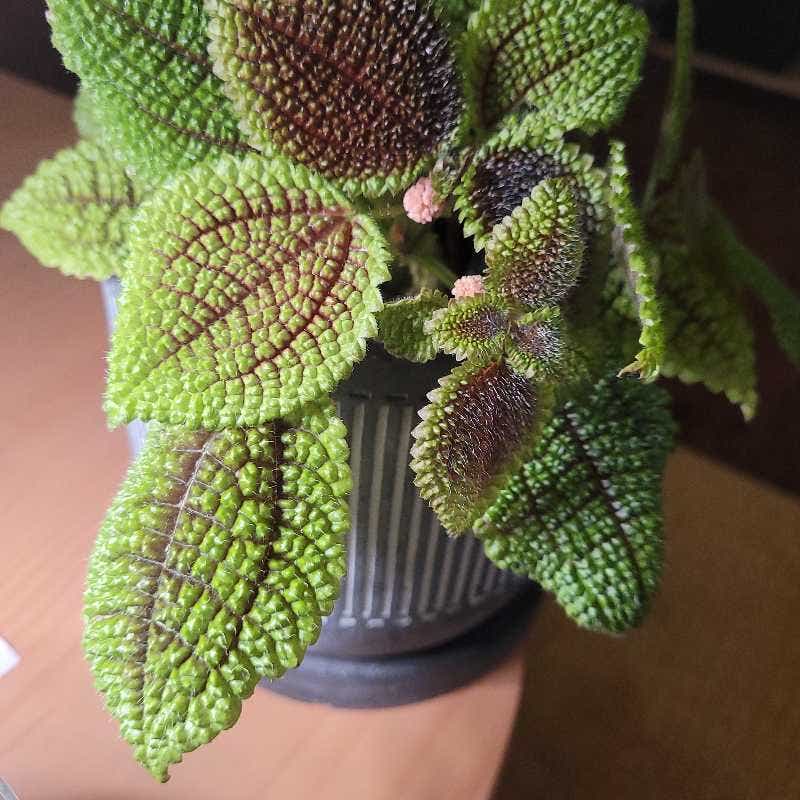
Should I Repot My Pilea mollis?
Pilea mollis
By the Greg Editorial Team
Jun 18, 2024•4 min read
This article was created with the help of AI so we can cover more plants for you. May contain errors. See one? Report it here.
- Roots peeking out? Time to repot your Pilea mollis.
- Choose a pot 1-2 inches larger, with well-draining mix.
- Post-repot: Water thoroughly, then provide indirect light.
Spot the Telltale Signs It's Time to Repot
🌱 Root Tango: When Roots Crave More Space
When your Pilea mollis starts its escape act, with roots sneaking out of the drainage holes, it's not just exploring—it's cramped. Like a contortionist in a matchbox, roots that have nowhere to go but round and round signal a pot upgrade is overdue.
💧 Thirsty Much? Watering Woes as a Repotting Signal
If your watering routine feels like a drop in the desert, it's a hint. Soil that dries out faster than your social media feeds is begging for a repot. And when water shoots through the pot like it's racing to the bottom, it's not your plant being dramatic—it's root-bound and thirsty for space.

The Repotting Rundown: A Step-by-Step Guide
🌱 Pre-Repot Prep: What You'll Need
Before diving into the repotting process, let's get our ducks in a row. You'll need a new pot that's a size up from the current one, fresh potting mix, a trowel, scissors or a sharp knife, and gloves to keep your hands clean. It's like prepping for a minor surgery, but for your plant.
🌿 The Main Event: Repotting Your Pilea mollis
🌷 Step 1: Gently freeing your plant
First things first, coax your Pilea mollis out of its current pot with the finesse of a plant whisperer. Tilt the pot and gently tug on the base of the plant. If it's playing hard to get, use a trowel to ease it out.
🏺 Step 2: Choosing the right-sized pot
Now, don't get overzealous with the pot size. A pot just 1-2 inches larger in diameter is perfect. It's like moving from a studio to a one-bedroom apartment—just enough new space.
🌱 Step 3: Soil swap - mixing the perfect blend
Mix up a storm with your potting mix. Aim for a blend that's like a gourmet meal for your Pilea: nutritious and well-draining. Combine coco peat or peat moss with a dash of perlite for that airy touch. Fill the new pot's bottom with this mix, then introduce your plant to its upgraded digs. Fill in around the sides with more mix, and voilà, you've repotted like a pro.

Picking the Perfect Pot: Material Matters
🏺 Terracotta vs. Plastic vs. Ceramic: The Great Debate
When choosing a pot for your Pilea mollis, material is key. Let's break down the contenders.
Terracotta Pots
Terracotta is the OG of plant pots. Its porous nature allows roots to breathe, promoting healthy growth and preventing root rot. The material's heft can be a downside if you're a serial re-arranger or have a bad back. But for Pilea mollis, which prefers to dry out between waterings, terracotta is a solid choice. It's also a win for the eco-conscious, as it's more sustainable than plastic.
Plastic Pots
Plastic pots are the lightweight champions. They're inexpensive, come in a rainbow of colors, and you probably have a stack of them somewhere. However, they retain moisture like nobody's business, which can be a death sentence for your Pilea if you're heavy-handed with the watering can. Plus, they offer little insulation from temperature changes, which isn't ideal.
Ceramic Pots
Ceramic pots are the stylish middle ground. They often come glazed, which reduces their breathability but ups their aesthetic game. They're heavier than plastic but usually lighter than terracotta. A word of caution: some ceramic pots lack drainage holes, turning them into decorative death traps for unsuspecting plants. Always check before you buy.
In the end, your Pilea's preference leans towards terracotta for its breathability and moisture control. But remember, the best pot is one that marries your plant's needs with your personal style and practicality.

Post-Repot Pampering: Aftercare Essentials
💧 Watering Wisdom: Hydration without the Shock
After repotting, water thoroughly to settle the soil around the roots and eliminate air pockets. Then, enter a game of patience; let the top inch of soil dry before you water again. Overzealous watering is the fast track to root rot, so err on the side of too little rather than too much.
🌿 Settling In: Helping Your Pilea mollis Adjust
Your Pilea mollis doesn't need a sunbath right after repotting. Find a spot with indirect light where it can chill out and recover. Think of it as a plant spa day—no harsh conditions, just a comfortable place to regain its strength. Keep an eye on it, and adjust its spot according to how it responds. If it's drooping like it's had a rough night, it might need a bit more light, or perhaps a bit less.
⚠️ Safety First
This content is for general information and may contain errors, omissions, or outdated details. It is not medical, veterinary advice, or an endorsement of therapeutic claims.
Always consult a qualified healthcare professional before using any plant as food, medicine, or supplement.
Never eat any plant (or feed one to pets) without confirming its identity with at least two trusted sources.
If you suspect poisoning, call Poison Control (800) 222-1222, the Pet Poison Helpline (800) 213-6680, or your local emergency service immediately.
Spotted an error? Please report it here.
Ensure your Pilea mollis has the perfect space to thrive 🌿 by using Greg's PlantVision to measure the new pot and tailor a post-repotting care plan.