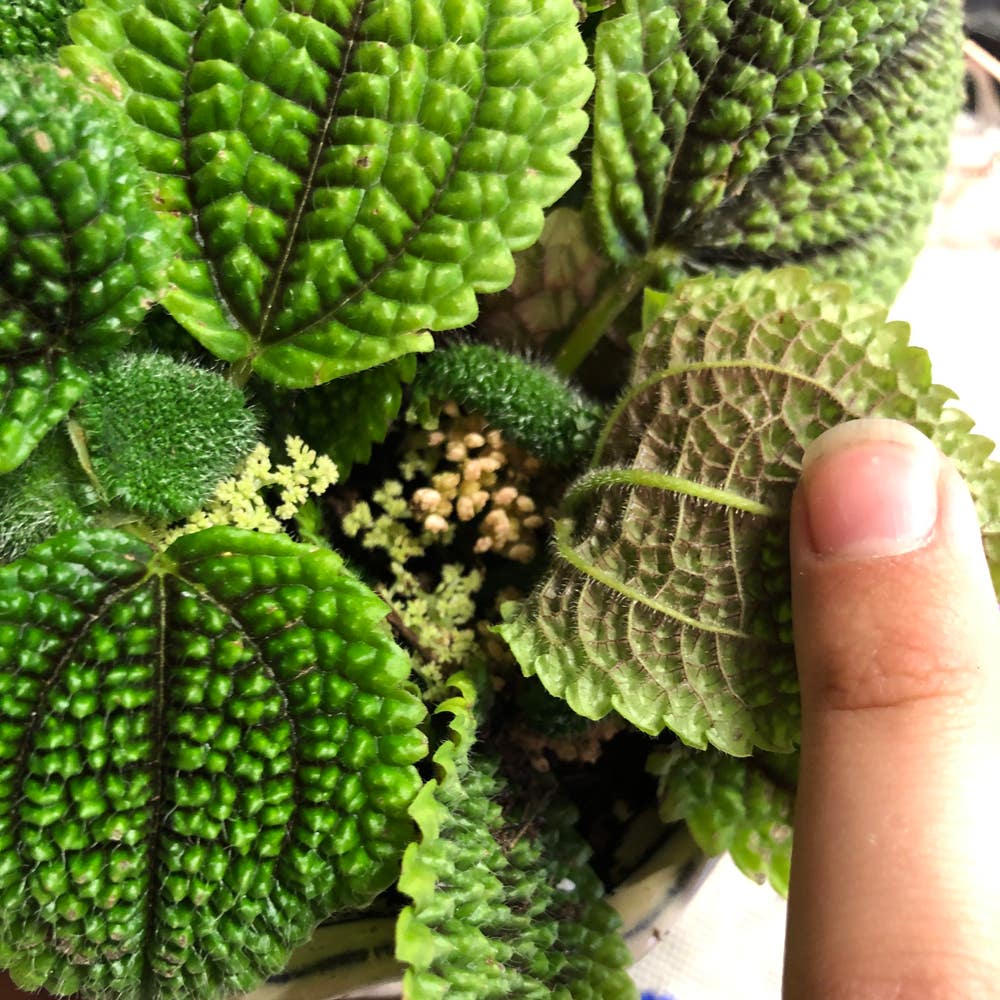
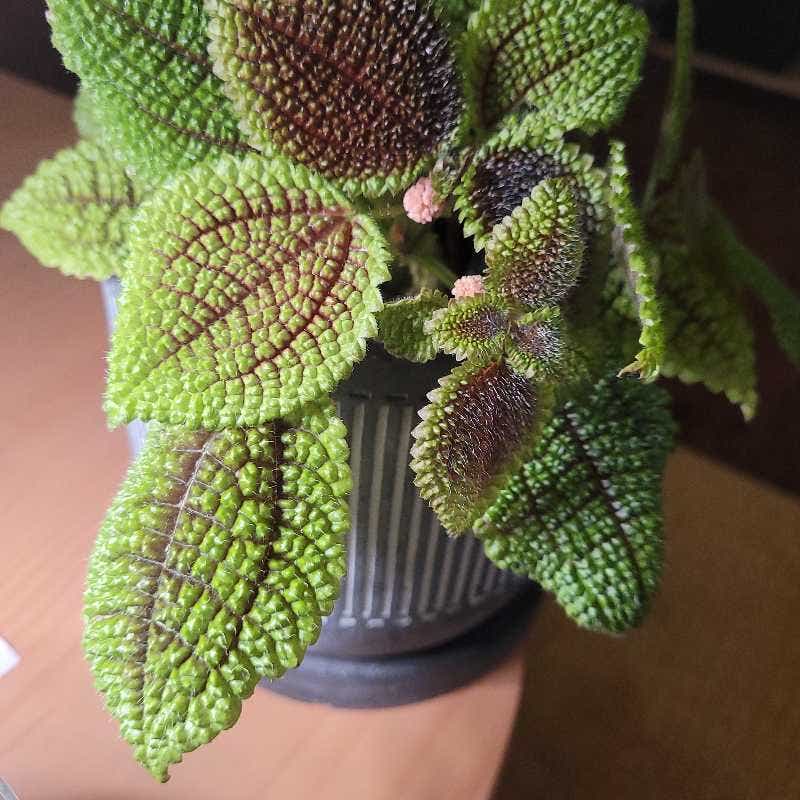
Best Size and Type of Pot for Moon Valley Pilea 🌙
Pilea mollis
By the Greg Editorial Team
Oct 02, 2024•3 min read
This article was created with the help of AI so we can cover more plants for you. May contain errors. See one? Report it here.
- 🌱 Use 4-6 inch pots for seedlings; transition to larger sizes as they grow.
- 🏺 Clay pots prevent overwatering, while plastic pots retain moisture but need monitoring.
- 🚫 Always choose pots with drainage holes to avoid root rot and promote healthy growth.
Pot Selection for Moon Valley Pilea
🌱 Pot Size Recommendations
Seedlings
For seedlings, a pot size of 4-6 inches in diameter is ideal. This size allows enough root space for initial growth, setting the foundation for a healthy plant.
Young Plants
As your Moon Valley Pilea grows, transition to a pot size of 6-8 inches in diameter. This size provides the stability needed as the plant matures and develops.
Mature Plants
Mature plants thrive in pots that are 10-12 inches in diameter. This size accommodates extensive root systems and promotes lush leaf growth.
General Guideline
A good rule of thumb is to increase the pot size by 2 inches in diameter with each repotting. This gradual increase supports healthy growth without overwhelming the plant.
🪴 Ideal Pot Materials
Clay Pots
Clay pots are a popular choice for many plant enthusiasts. They are breathable, promoting air circulation and helping to absorb excess moisture, which reduces the risk of overwatering.
However, they do have some drawbacks. Clay pots are heavier and more fragile, requiring more frequent watering due to evaporation.
Plastic Pots
Plastic pots offer a lightweight and durable alternative. They retain moisture longer, which can reduce how often you need to water your plant.
On the downside, plastic pots are less breathable than clay. This can lead to root rot if moisture levels aren't monitored closely, and they may become brittle over time with sun exposure.
🚰 Drainage Considerations
Importance of Drainage Holes
Drainage holes are essential for preventing water accumulation at the bottom of the pot. They help maintain optimal moisture levels in the soil, which is crucial for your plant's health.
How Drainage Impacts Root Health
Good drainage is vital for preventing root rot, a common issue with overwatering. It also allows for proper aeration, promoting healthy root development.
Signs of Poor Drainage
Watch for yellowing leaves, which can indicate potential root rot. If you see water pooling on the surface, it suggests inadequate drainage, while a foul odor from the soil may signal decaying roots.
🔄 Repotting Guidelines
When to Repot Moon Valley Pilea
It's time to repot your Moon Valley Pilea when you notice roots visible through drainage holes, soil that dries out too quickly, or stunted growth despite proper care.
How to Choose the Right Pot for Repotting
When repotting, follow the size recommendations for each growth stage. Choose between clay or plastic based on your preferences and the plant's needs, ensuring the new pot has adequate drainage holes.
Step-by-Step Repotting Process
- Prepare the new pot with fresh potting soil.
- Gently remove the Moon Valley Pilea from its current pot.
- Inspect the roots for any signs of rot or damage; trim if necessary.
- Place the plant in the center of the new pot and fill with soil, ensuring the root ball is level with the pot rim.
- Water thoroughly to settle the soil and eliminate air pockets.
❌ Common Potting Mistakes
Overpotting vs. Underpotting
Overpotting can lead to water retention and root rot, with signs like excess soil moisture and slow growth. Conversely, underpotting limits root growth and nutrient uptake, indicated by roots growing out of drainage holes.
Choosing Pots Without Drainage
Avoid pots without drainage holes, as they significantly increase the likelihood of overwatering and root rot. Poor aeration can lead to unhealthy roots, jeopardizing your plant's health.
Ignoring Material Properties
Understanding how different materials affect moisture retention and root health is crucial. Selecting pots based on the specific needs of your Moon Valley Pilea will ensure optimal growth and vitality.
With the right pot selection and care, your Moon Valley Pilea can flourish beautifully. Next, let’s explore the ideal conditions for nurturing this stunning plant.
⚠️ Safety First
This content is for general information and may contain errors, omissions, or outdated details. It is not medical, veterinary advice, or an endorsement of therapeutic claims.
Always consult a qualified healthcare professional before using any plant as food, medicine, or supplement.
Never eat any plant (or feed one to pets) without confirming its identity with at least two trusted sources.
If you suspect poisoning, call Poison Control (800) 222-1222, the Pet Poison Helpline (800) 213-6680, or your local emergency service immediately.
Spotted an error? Please report it here.
Choose the perfect pot for your Moon Valley Pilea 🌿 with Greg's tailored tips and reminders, ensuring your plant thrives at every growth stage!