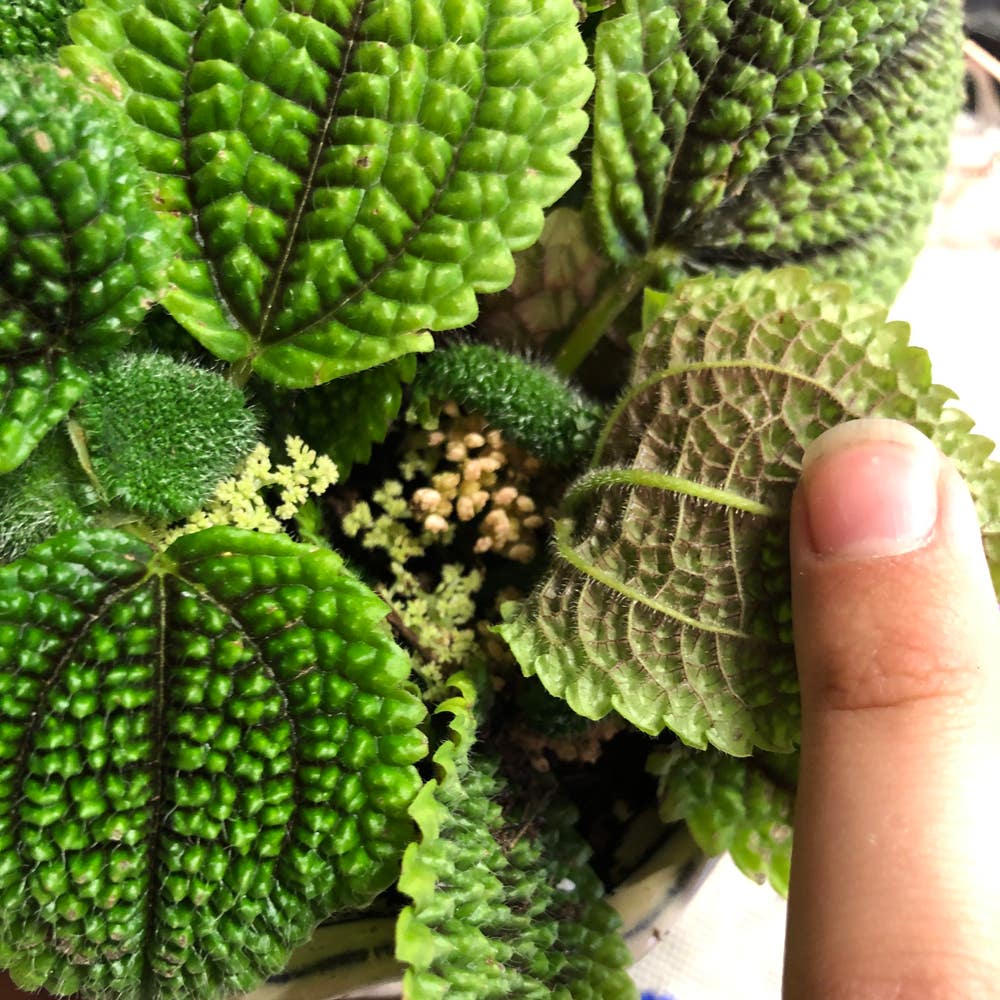
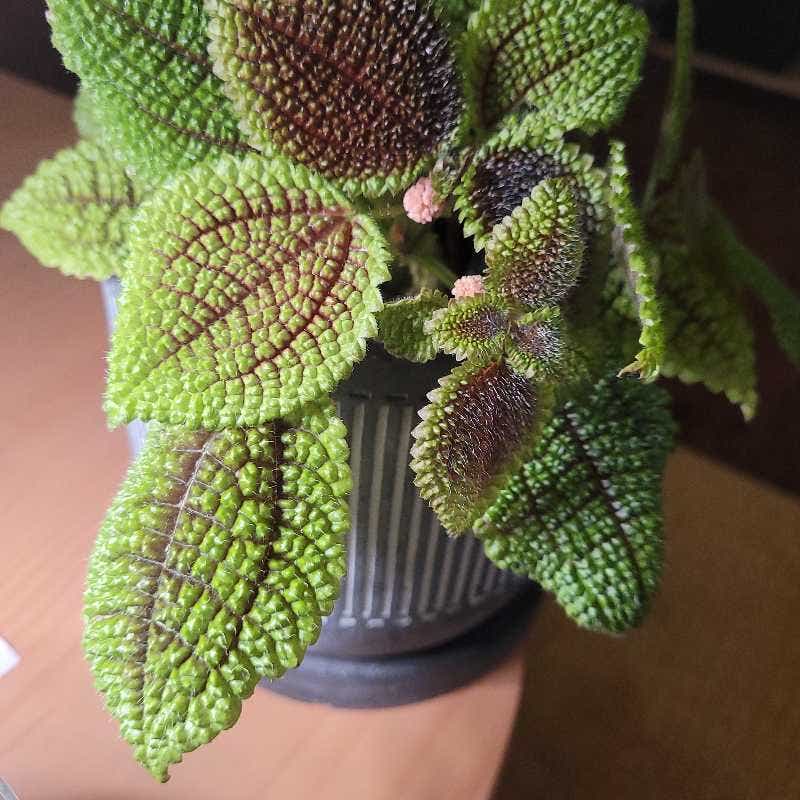
Why Are There Brown Spots on My Pilea mollis?
Pilea mollis
By the Greg Editorial Team
Jun 18, 2024•3 min read
This article was created with the help of AI so we can cover more plants for you. May contain errors. See one? Report it here.
- Overwatering? Mushy spots. Underwatering? Crispy spots.
- Sunburn and Fungus show as bleached edges and patterned spots.
- Prevent issues with proper watering, light, and air circulation.
Spotting the Culprit: Diagnosing Brown Spots
🚰 Signs of Overwatering
Overwatering is like giving your Pilea mollis a bath when it just needs a sip. Mushy, dark brown spots often signal that you've been too generous with the watering can. A heavy pot and soggy soil are the telltale signs that it's time to let the soil dry out a bit.
🏜️ The Underwatering Conundrum
Conversely, underwatering turns your Pilea into a desert survivor, sporting brown spots as a cry for hydration. If the soil feels as dry as a bone and the spots are crispy, it's high time to quench your plant's thirst.
🌞 Sunburn Scars
Sunburn is the plant equivalent of a bad beach day. Look for bleached, brittle spots, especially on the leaves' edges. These are signs that your Pilea has had too much fun in the sun and needs a shadier spot to chill.
💀 Fungal Foes
Fungal infections are the sneakiest of all, presenting as a patterned array of brown spots. If you notice a yellow halo or a ring around the spots, it's time to play superhero and come to your plant's rescue with a fungicide.

First Aid for Your Pilea: Treating Brown Spots
💧 Balancing the Watering Equation
Watering your Pilea mollis is less about sticking to a strict schedule and more about observing the soil. When the top layer feels dry, it's time to quench its thirst. Water deeply but ensure excess water drains away to avoid soggy roots. Remember, your Pilea isn't a fan of wet feet.
🌞 Shifting the Light
Your Pilea's brown spots might be crying out for a lighting change. These plants enjoy bright, indirect sunlight. If they're basking in a sunbeam like a cat in a windowsill, it's time to relocate. Find a spot with filtered light to prevent future sunburn episodes.
🍄 Fungicide to the Rescue
When a fungal fiesta is the cause of your Pilea's brown spots, it's time to bring out the big guns. Fungicides can be your ally, but use them judiciously. For a gentler approach, try a homemade mix of baking soda and liquid soap. If you go the commercial route, always follow the label's instructions to the letter.

Keeping Brown Spots at Bay: Prevention Tactics
💧 The Ideal Watering Schedule
Crafting a watering calendar for your Pilea mollis isn't just about sticking to a routine; it's about adapting to your plant's subtle cues. Water wisely—only when the soil feels dry to the touch. During the growth season, this might mean weekly watering, but as light levels drop in winter, so should your watering frequency. Remember, your Pilea's thirst isn't on a 9-to-5 schedule.
🌞 Perfecting Plant Placement
Your Pilea mollis craves that sweet spot where the light is just right—not too harsh, not too dim. Morning sunlight is your best bet, followed by indirect light for the rest of the day. This prevents the dreaded sunburn while keeping your Pilea's photosynthesis game strong. Rotate the plant occasionally to ensure even growth and prevent leaning.
🍄 Fungal Prevention 101
Fungi? Not on our watch. Air circulation is key; think of it as your plant's personal space. Avoid wetting the leaves when you water—aim for the soil to keep the foliage dry. And if you're a fan of grouping plants, space them out to avoid creating a fungal mosh pit. Regularly clean up any dead leaves and debris to prevent fungal parties. And remember, if you're bringing a new plant home, quarantine it first—better safe than sorry when it comes to plant pests and diseases.

⚠️ Safety First
This content is for general information and may contain errors, omissions, or outdated details. It is not medical, veterinary advice, or an endorsement of therapeutic claims.
Always consult a qualified healthcare professional before using any plant as food, medicine, or supplement.
Never eat any plant (or feed one to pets) without confirming its identity with at least two trusted sources.
If you suspect poisoning, call Poison Control (800) 222-1222, the Pet Poison Helpline (800) 213-6680, or your local emergency service immediately.
Spotted an error? Please report it here.
Banish those brown spots and keep your Pilea mollis thriving 🌿 with Greg's personalized reminders for watering, sun exposure, and disease prevention.