🌙 Moon Valley Pilea Is Not Considered a Weed
Pilea mollis
By the Greg Editorial Team
Oct 02, 2024•6 min read
This article was created with the help of AI so we can cover more plants for you. May contain errors. See one? Report it here.
- 🌱 Moon Valley Pilea is non-invasive, making it a safe choice for gardeners.
- 🌞 Thrives in subtropical regions with well-drained soil and indirect light.
- 🌼 Enhances garden aesthetics with lush foliage while supporting local ecosystems.
Plant Classification
Definition of Invasive Species 🌍
Invasive species are non-native plants that spread aggressively. They outcompete local flora, disrupting ecosystems and causing harm to biodiversity.
Characteristics of Moon Valley Pilea 🌙
Moon Valley Pilea is native to subtropical regions and thrives in well-drained soil with indirect light. It typically grows to a manageable height of 12-18 inches, making it a versatile choice for various garden settings.
Explanation of Why It Is Not Invasive 🚫
Moon Valley Pilea exhibits non-invasive growth habits, with limited spread that is easily managed. Its growth patterns are controlled, ensuring it does not outcompete native plants, making it a safe choice for gardeners.
This plant not only enhances your garden's aesthetics but also contributes positively to the local ecosystem. As we explore its growth habits next, you'll see how it fits seamlessly into diverse garden designs.
Growth Habits
Typical Growth Patterns in Gardens 🌱
Moon Valley Pilea thrives in clumps, creating a lush, dense foliage that enhances any garden's aesthetic appeal. Its preference for indirect light results in a slower, more controlled growth, making it a charming addition to shaded areas.
Natural Limits to Growth and Spread Potential 🚧
This plant has a limited spread, primarily due to its specific soil and light preferences. Typically, it does not exceed 18 inches in height, allowing for easy management within various garden designs.
Seasonal Growth Behaviors 🌦️
During warmer months, Moon Valley Pilea experiences active growth, while it may enter dormancy in colder seasons. To promote healthy growth, regular watering and fertilization during the growing season are essential.
Incorporating Moon Valley Pilea into your garden not only beautifies the space but also ensures a manageable and vibrant landscape. As we explore its ecological role next, you'll see how it contributes positively to local ecosystems.
Ecological Role
Benefits to Local Ecosystems 🌼
Moon Valley Pilea plays a vital role in enhancing garden biodiversity. It attracts beneficial insects, such as pollinators, which are crucial for the health of many plants.
Additionally, when the leaves of Moon Valley Pilea decompose, they enrich the soil, improving organic matter content. This not only supports plant growth but also fosters a healthier ecosystem overall.
Positive Interactions with Wildlife 🦋
This plant provides shelter and food sources for various beneficial insects. Its dense foliage creates a safe haven for these creatures, promoting a thriving garden environment.
Moreover, Moon Valley Pilea can serve as a host plant for certain butterfly species, contributing to the life cycle of these beautiful insects. This interaction highlights its importance in supporting local wildlife.
Companion Planting with Moon Valley Pilea 🌱
Moon Valley Pilea pairs exceptionally well with other non-invasive plants. This compatibility enhances overall garden health and creates a balanced ecosystem.
In mixed plantings, it can help diversify plant life, making your garden not just visually appealing but also ecologically rich. By incorporating Moon Valley Pilea, you’re making a choice that benefits both your garden and the environment.
As we explore the next section, consider how these ecological benefits can be integrated into your garden management strategies.
Garden Management
🌙 Incorporating Moon Valley Pilea into Garden Designs
Moon Valley Pilea is a versatile plant that thrives in various settings. It works beautifully as a border, in containers, or as ground cover in shaded areas, adding lush greenery to your garden.
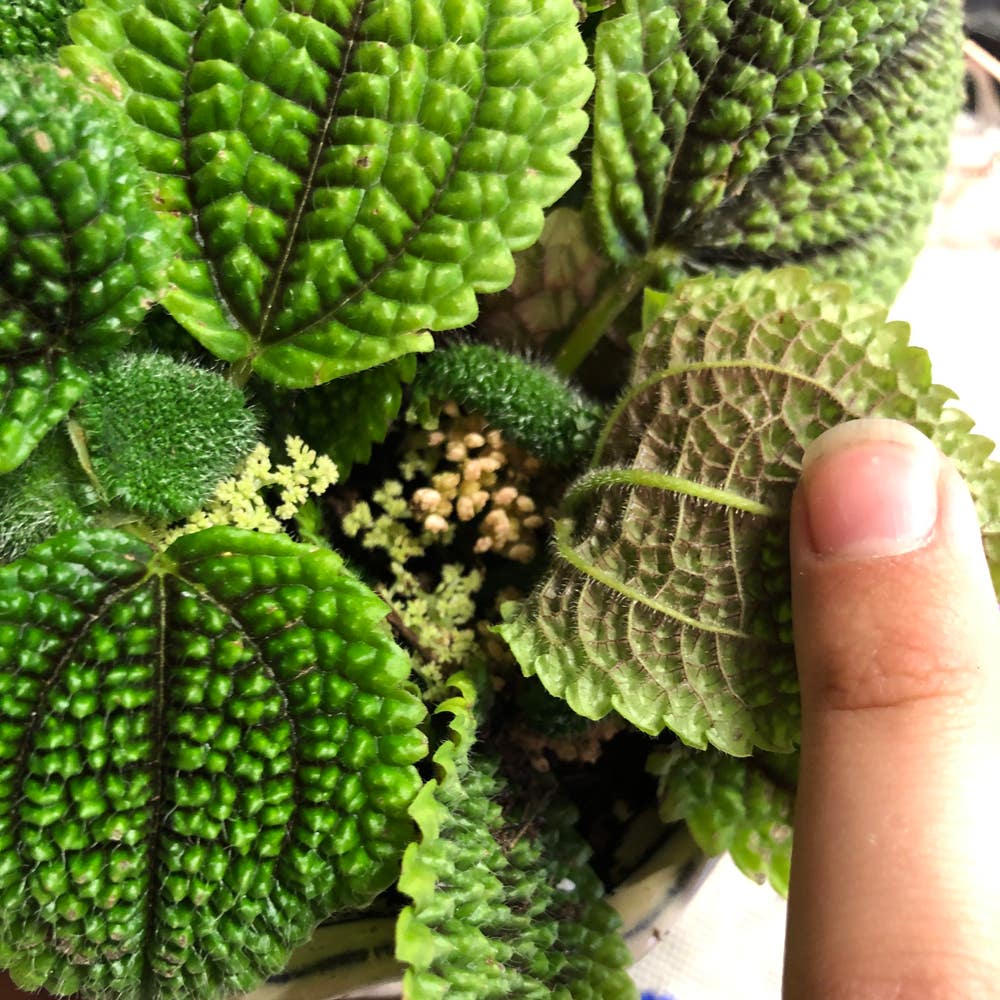
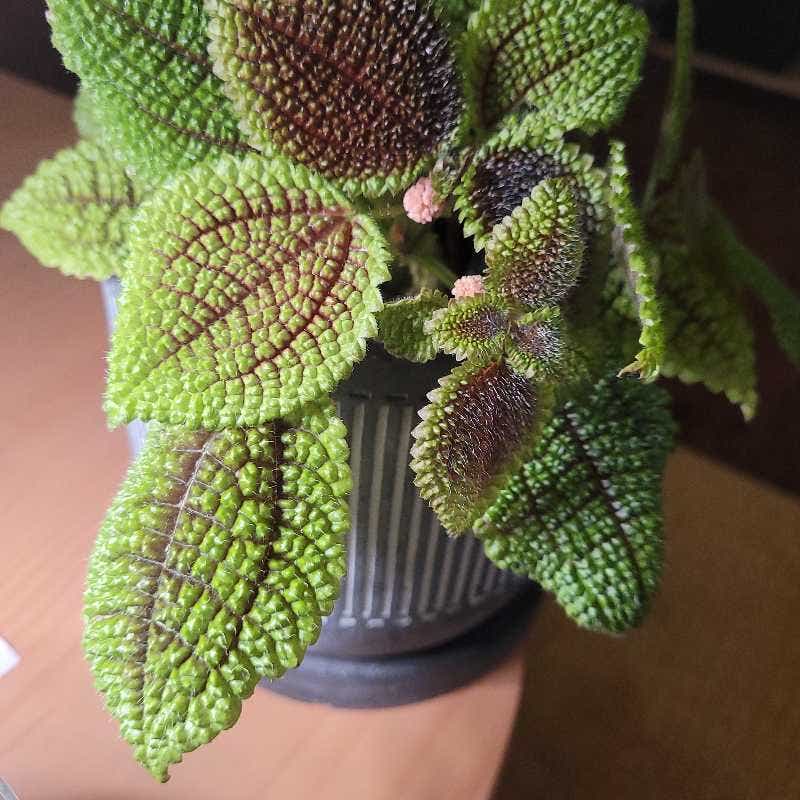
Using this plant can create visual interest in your layouts. Its unique leaf texture and growth habit can enhance the overall aesthetic of your garden.
🎨 Aesthetic Considerations for Growth Control
To maintain the desired shape and size, regular pruning is essential. This not only keeps the plant looking tidy but also encourages healthy growth.
Spacing is another critical factor. Proper spacing prevents overcrowding and promotes air circulation, ensuring your Moon Valley Pilea thrives.
🌱 Maintenance Tips for Optimal Health
For optimal health, keep the soil consistently moist but avoid waterlogging. This balance is crucial for the plant's well-being.
Fertilization is key during the growing season. Use a balanced fertilizer every 4-6 weeks to support robust growth.
Lastly, ensure your Moon Valley Pilea receives adequate indirect light. This will help it flourish and maintain its vibrant appearance.
Incorporating these management strategies will ensure your Moon Valley Pilea not only survives but thrives in your garden. Next, let’s explore its ecological role and how it benefits local ecosystems.
Comparison to Other Plants
🌿 Similar Non-Invasive Plants
When considering non-invasive plants, ferns and hostas often come to mind. Both are excellent choices, but Moon Valley Pilea stands out with its unique leaf texture and vibrant appearance.
✨ Unique Qualities of Moon Valley Pilea
Moon Valley Pilea boasts an ornamental value that is hard to match. Its distinctive leaf shape and texture not only catch the eye but also adapt well to various garden settings, including indoor spaces.
🌱 Benefits of Choosing Moon Valley Pilea Over Other Plants
Opting for Moon Valley Pilea means you can plant worry-free. Its non-invasive nature ensures it won’t take over your garden, while its ability to attract beneficial wildlife enhances overall biodiversity.
Incorporating Moon Valley Pilea into your garden can elevate its aesthetic while supporting local ecosystems. As we explore garden management next, we'll delve into how to care for this beautiful plant.
Legal and Environmental Considerations
🌱 Relevant Classifications and Guidelines
When considering the Moon Valley Pilea for your garden, it's essential to be aware of local regulations regarding non-invasive species. Many regions encourage planting non-invasive plants to protect local ecosystems, so check with local gardening authorities or extension services for specific guidelines.
♻️ Sustainable Gardening Practices
Moon Valley Pilea is a fantastic choice for sustainable gardening. It promotes biodiversity by attracting beneficial insects and reduces the need for chemical controls, making it a gardener's ally in creating a thriving ecosystem.
Incorporating native plants alongside Moon Valley Pilea can further enhance your garden's health. This combination fosters a balanced environment, supporting both local wildlife and plant diversity.
🌍 Environmental Impact of Moon Valley Pilea
The environmental impact of Moon Valley Pilea is minimal, thanks to its non-invasive nature. It integrates well into local ecosystems, providing shelter and food for beneficial wildlife.
By choosing Moon Valley Pilea, you're not just beautifying your garden; you're also contributing positively to the health of your local environment. This plant supports local wildlife and enhances overall garden vitality, making it a win-win for both you and nature.
As you explore the benefits of Moon Valley Pilea, consider how it can fit into your garden management strategies. This will ensure a harmonious blend of aesthetics and ecological responsibility.
⚠️ Safety First
This content is for general information and may contain errors, omissions, or outdated details. It is not medical, veterinary advice, or an endorsement of therapeutic claims.
Always consult a qualified healthcare professional before using any plant as food, medicine, or supplement.
Never eat any plant (or feed one to pets) without confirming its identity with at least two trusted sources.
If you suspect poisoning, call Poison Control (800) 222-1222, the Pet Poison Helpline (800) 213-6680, or your local emergency service immediately.
Spotted an error? Please report it here.
Transform your garden with the stunning Moon Valley Pilea 🌿, a non-invasive beauty that thrives with Greg's tailored care tips to help you cultivate a lush, vibrant space effortlessly!