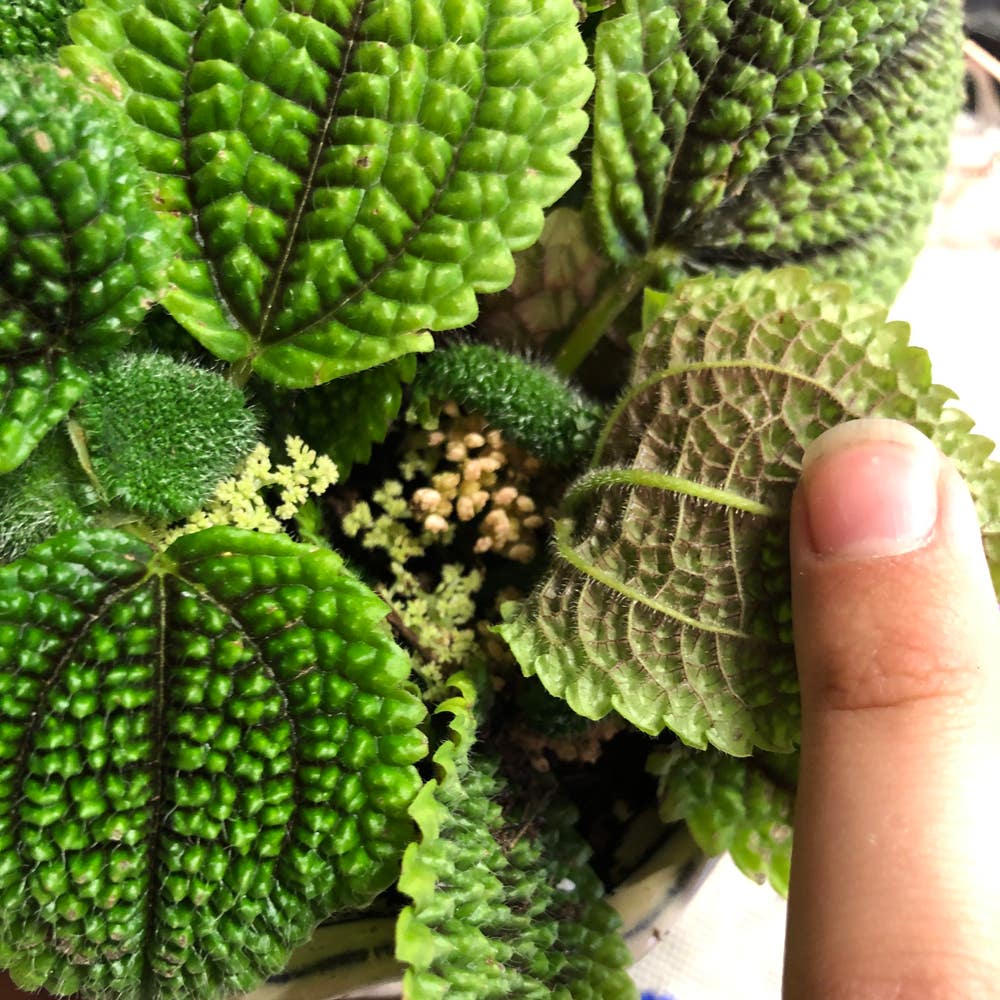
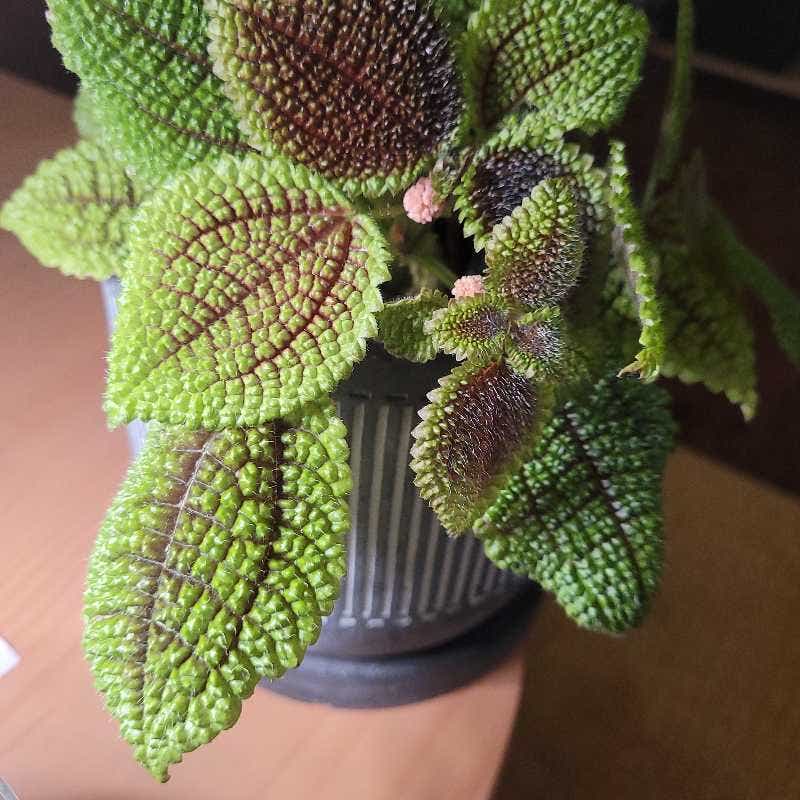
🌙 9 Factors Affecting Moon Valley Pilea Flowering
Pilea mollis
By the Greg Editorial Team
Oct 02, 2024•5 min read
This article was created with the help of AI so we can cover more plants for you. May contain errors. See one? Report it here.
- 🌞 Bright, indirect light is essential for Moon Valley Pilea to flower successfully.
- 🌱 Nutrient deficiencies in nitrogen, phosphorus, and potassium hinder blooming; use balanced fertilizer.
- 💧 Proper watering practices are crucial; avoid overwatering and underwatering to prevent stress.
Failure to Bloom
🌞 Causes
Insufficient Light
Moon Valley Pilea thrives in bright, indirect light. Without adequate light, the plant struggles to initiate its flowering cycle.
Nutrient Deficiencies
A lack of essential nutrients can significantly hinder blooming. Key nutrients like nitrogen, phosphorus, and potassium are vital for healthy flower development.
Improper Watering
Watering practices play a crucial role in flowering. Both overwatering and underwatering can stress the plant, leading to a failure to bloom.
💡 Solutions
Adjusting Light Exposure
To encourage flowering, reposition your Moon Valley Pilea to a brighter spot. If natural light is limited, consider using grow lights to supplement.
Fertilization Tips
Using a balanced fertilizer high in phosphorus can promote flowering. Fertilize during the growing season to ensure your plant gets the nutrients it needs.
Watering Techniques
Aim for consistent moisture in the soil without waterlogging. Check the top inch of soil; if it feels dry, it’s time to water.
By addressing these common causes and implementing effective solutions, you can help your Moon Valley Pilea flourish and bloom beautifully. Next, let’s explore the issue of premature flower drop and how to prevent it.
Premature Flower Drop
🌪️ Causes
Environmental Stress
Sudden changes in temperature or humidity can shock your Moon Valley Pilea, leading to bud drop. This stress can disrupt the plant's natural processes, causing it to shed flowers prematurely.
Temperature Fluctuations
Extreme heat or cold can be particularly harsh on your plant. These fluctuations can create an environment that’s too hostile for healthy flowering.
Humidity Levels
Low humidity is another culprit that can stress your Pilea. When the air is too dry, the plant struggles to maintain its blooms, resulting in premature flower drop.
💡 Solutions
Creating a Stable Environment
To prevent premature flower drop, maintain consistent temperature and humidity levels. A stable environment helps your plant thrive and encourages blooming.
Humidity Control Methods
Consider using a humidifier or pebble trays filled with water to increase humidity around your plant. These methods can create a more favorable atmosphere for flowering.
By addressing these factors, you can help your Moon Valley Pilea flourish and enjoy its beautiful blooms. Next, let’s explore how light conditions influence flowering.
Abnormal Flower Development
🌪️ Causes
Pest Infestations
Pests like aphids and spider mites can wreak havoc on your Moon Valley Pilea. These tiny invaders not only damage the flowers but can also weaken the plant overall.
Soil Quality Issues
Poor soil quality can lead to nutrient imbalances that stifle flower development. If your soil lacks essential nutrients, your plant may struggle to produce blooms.
Pruning Mistakes
Incorrect pruning can disrupt the natural growth patterns of your plant. Timing and technique matter; improper cuts can hinder flowering and overall health.
🛠️ Solutions
Pest Management Strategies
Regular inspections are key to catching pests early. Use insecticidal soap or neem oil to combat infestations effectively.
Soil Amendments
Enhance your soil quality by adding organic matter or specific fertilizers. This will help restore nutrient balance and promote healthy flowering.
Proper Pruning Techniques
Prune your Moon Valley Pilea at the right time to encourage robust growth. Focus on removing dead or damaged leaves to support flowering.
By addressing these factors, you can foster a thriving environment for your Moon Valley Pilea, ensuring it blooms beautifully. Next, let’s explore how light influences flowering in this unique plant.
Influence of Light on Flowering
🌞 Optimal Light Conditions
Bright, indirect light is crucial for stimulating the bloom cycle in Moon Valley Pilea. Without it, your plant may struggle to produce those beautiful flowers you’re hoping for.
Too much direct sunlight can scorch the leaves, while insufficient light can inhibit flowering altogether. Finding that sweet spot is key to a thriving plant.
💡 Adjusting Light Exposure
When repositioning your plant, do it gradually to help it acclimate to new light conditions. A sudden change can stress the plant and hinder its blooming potential.
If natural light is lacking, consider using grow lights during the darker months. This can provide the necessary boost for your Moon Valley Pilea to flourish.
By ensuring optimal light conditions, you set the stage for a vibrant flowering display. Next, let’s explore how nutritional factors play a role in your plant's blooming success.
Nutritional Factors Affecting Flowering
🌱 Essential Nutrients for Flowering
To thrive and bloom, your Moon Valley Pilea needs key nutrients: nitrogen, phosphorus, and potassium. Each of these plays a vital role in flower development and overall plant health.
- Nitrogen promotes lush foliage, essential for photosynthesis.
- Phosphorus is crucial for flower formation and root development.
- Potassium helps strengthen the plant, making it more resilient.
Watch for signs of nutrient deficiencies. Yellowing leaves or stunted growth can indicate your plant isn't getting what it needs to flourish.
📅 Fertilization Schedule
Feeding your Moon Valley Pilea correctly is essential for a vibrant bloom cycle. Aim to fertilize every 4-6 weeks during the growing season for optimal results.
- Best Practices: Use a balanced fertilizer that supports flowering.
- Specialized Options: Consider fertilizers specifically formulated for flowering plants to give your Pilea the extra boost it needs.
By following these guidelines, you can ensure your plant receives the nutrients it craves, setting the stage for stunning blooms.
With proper nutrition and care, your Moon Valley Pilea will thrive, leading us to explore the next critical factor: the influence of light on flowering.
⚠️ Safety First
This content is for general information and may contain errors, omissions, or outdated details. It is not medical, veterinary advice, or an endorsement of therapeutic claims.
Always consult a qualified healthcare professional before using any plant as food, medicine, or supplement.
Never eat any plant (or feed one to pets) without confirming its identity with at least two trusted sources.
If you suspect poisoning, call Poison Control (800) 222-1222, the Pet Poison Helpline (800) 213-6680, or your local emergency service immediately.
Spotted an error? Please report it here.
Achieve stunning blooms for your Moon Valley Pilea 🌼 by using Greg's tailored watering alerts and nutrient tips to create the perfect care routine!