🌙 Moon Valley Pilea: A Perennial Plant
Pilea mollis
By the Greg Editorial Team
Oct 02, 2024•6 min read
This article was created with the help of AI so we can cover more plants for you. May contain errors. See one? Report it here.
- 🌱 Moon Valley Pilea thrives as a perennial, flourishing across multiple growing seasons.
- 🌞 Optimal light and well-draining soil are essential for vibrant growth and health.
- 🌿 Strong roots enhance drought resistance, making it a reliable choice for gardeners.
Characteristics of Moon Valley Pilea as a Perennial
🌱 Multi-Year Lifecycle
The Moon Valley Pilea is a true perennial, thriving over multiple growing seasons. Its multi-year lifecycle allows it to adapt and flourish, ensuring that gardeners can enjoy its beauty year after year.
This plant survives through seasonal changes by entering a state of dormancy during harsher conditions. When the weather warms, it springs back to life, showcasing its resilience and ability to thrive in various environments.
🌿 Growth Patterns and Regrowth from Roots
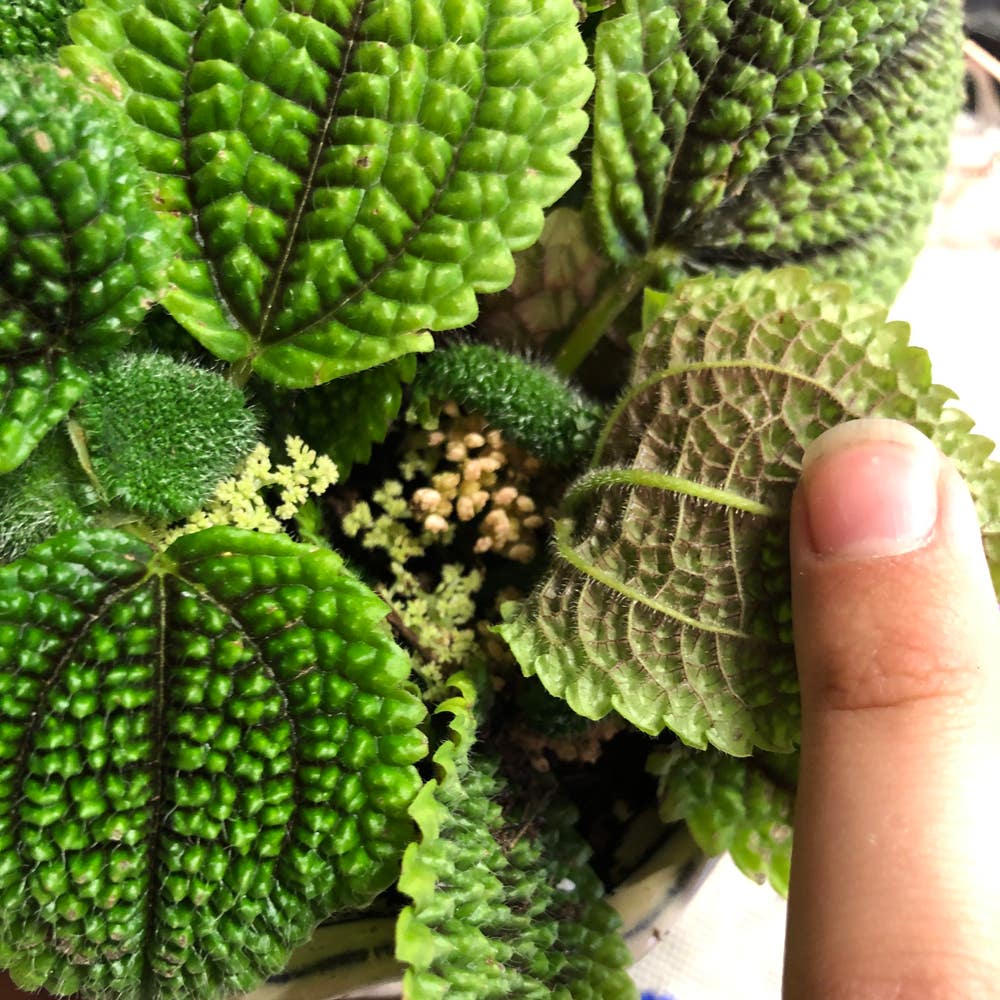
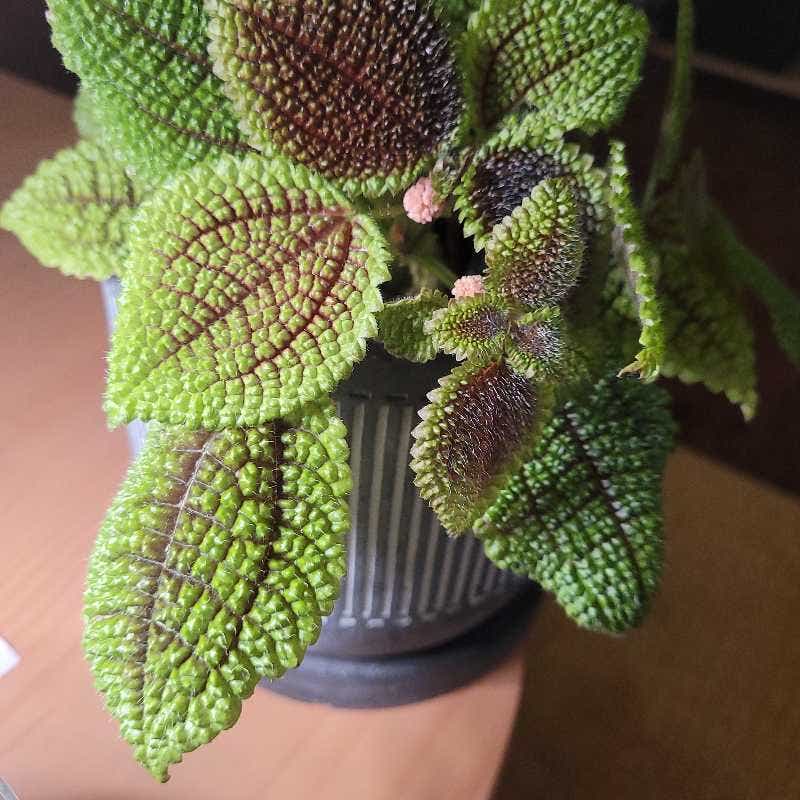
One of the standout features of the Moon Valley Pilea is its unique growth habit. With an upright structure and round leaves, it adds a distinct touch to any garden.
The plant's established root system plays a crucial role in its regrowth. Each year, it utilizes these roots to sprout new growth, ensuring a robust and vibrant appearance as it continues to flourish.
This ability not only enhances its longevity but also makes it a low-maintenance choice for gardeners. As we explore more about its seasonal changes and dormancy, you'll see how these characteristics contribute to its overall health and beauty.
Seasonal Changes and Dormancy
Dormancy Periods 🌙
Moon Valley Pilea experiences dormancy typically during the colder months. This period usually lasts from late fall to early spring, allowing the plant to conserve energy and resources.
During dormancy, growth slows significantly, but the plant remains alive and healthy. This phase is crucial for its long-term vitality, as it prepares for the burst of growth in spring.
Seasonal Changes Affecting Growth 🌱
As seasons shift, Moon Valley Pilea responds dynamically. Flowering patterns and leaf development are influenced by temperature and humidity fluctuations.
In warmer months, the plant thrives, producing lush foliage and vibrant blooms. Conversely, it adapts to cooler conditions by slowing growth and conserving energy, showcasing its resilience.
Understanding these seasonal changes helps gardeners optimize care and ensure the plant's health throughout the year. This knowledge is essential for fostering a thriving Moon Valley Pilea in your garden.
Advantages of Perennial Nature
🌱 Benefits of Reduced Replanting
One of the standout features of Moon Valley Pilea is its perennial nature, which significantly reduces the need for annual replanting. This means less hassle for gardeners, allowing them to enjoy their plants year after year without the extra effort of starting anew.
Not only does this save time, but it also cuts costs. Fewer plants to buy each season means more budget left for other gardening projects or even new plants to try out.
🌳 Importance of Established Root Systems
Established root systems are vital for the resilience and overall health of Moon Valley Pilea. These roots anchor the plant firmly in the soil, allowing it to withstand various environmental stresses.
Strong roots enhance nutrient uptake, ensuring the plant gets what it needs to thrive. They also provide drought resistance, making Moon Valley Pilea a reliable choice even during dry spells.
In summary, the perennial nature of Moon Valley Pilea not only simplifies gardening but also contributes to its robustness. This makes it a fantastic option for both novice and experienced gardeners alike.
Next, we’ll explore the expected lifespan of this resilient plant and the factors that can influence its longevity.
Lifespan and Longevity Factors
🌱 Expected Lifespan
The Moon Valley Pilea can thrive for several years when given optimal care. This perennial plant rewards dedicated gardeners with its lush foliage and vibrant presence over time.
⏳ Factors Influencing Longevity
Several key factors can significantly impact the lifespan of your Moon Valley Pilea.
- Light: Adequate light is crucial; too little can stunt growth, while too much can scorch the leaves.
- Water: Consistent watering is essential, but overwatering can lead to root rot.
- Soil Quality: Well-draining soil promotes healthy roots, while poor soil can hinder growth.
- Climate: The plant's performance varies with temperature and humidity levels.
Neglect or improper care can drastically shorten its lifespan. Regular attention to these factors ensures your Moon Valley Pilea remains vibrant and healthy for years to come.
Understanding these elements not only enhances your gardening experience but also fosters a deeper connection with this resilient plant. As you nurture it, you'll witness its growth and longevity firsthand.
With the right conditions, your Moon Valley Pilea can become a cherished part of your garden for many seasons. Now, let’s explore how climate variations can influence its behavior and adaptability.
Climate Zone Variations
🌍 Variations in Behavior Across Climate Zones
Moon Valley Pilea exhibits unique characteristics depending on the climate zone in which it is grown. In warmer climates, it tends to flourish with vibrant foliage and robust growth, while in cooler areas, its growth may slow down significantly.
Different temperature and humidity levels can influence its flowering patterns and overall health. For instance, in high humidity, the plant may produce more leaves, whereas in drier conditions, it might focus on conserving resources.
🌱 Adaptations to Different Conditions
Moon Valley Pilea has developed specific adaptations that enable it to thrive in various environments. Its ability to adjust leaf size and thickness helps it manage water loss in arid conditions.
Understanding local climate conditions is crucial for successful cultivation. By recognizing these adaptations, gardeners can better cater to the needs of their Moon Valley Pilea, ensuring it remains healthy and vibrant throughout the seasons.
As we explore the advantages of this perennial plant, consider how its adaptability can enhance your garden's diversity and resilience.
Maximizing Benefits in Garden Planning
Tips for Long-Term Cultivation 🌱
To ensure the health and longevity of your Moon Valley Pilea, start with well-draining soil. This plant thrives best in a mix that retains some moisture but allows excess water to escape.
Regular watering is key, but avoid overwatering. Let the top inch of soil dry out between waterings to prevent root rot.
Strategies for Garden Design 🎨
Incorporating Moon Valley Pilea into your garden can elevate its aesthetic appeal. Consider placing it in a spot where it can receive bright, indirect light, which enhances its vibrant foliage.
For a stunning visual effect, pair it with contrasting plants. Think about using darker foliage or flowering plants that bloom at different times to create a dynamic display.
Companion Planting Considerations 🌼
When planning your garden layout, consider companion planting. Moon Valley Pilea works well with other perennials that have similar light and water needs.
This not only enhances the visual appeal but also promotes a healthier ecosystem in your garden. Plants like ferns or shade-loving flowers can complement its unique structure beautifully.
Final Thoughts 💭
By following these tips and strategies, you can maximize the benefits of Moon Valley Pilea in your garden. With the right care and design, this perennial can thrive for years, bringing joy and beauty to your outdoor space.
Next, let’s explore how climate zone variations can impact the growth and behavior of Moon Valley Pilea.
⚠️ Safety First
This content is for general information and may contain errors, omissions, or outdated details. It is not medical, veterinary advice, or an endorsement of therapeutic claims.
Always consult a qualified healthcare professional before using any plant as food, medicine, or supplement.
Never eat any plant (or feed one to pets) without confirming its identity with at least two trusted sources.
If you suspect poisoning, call Poison Control (800) 222-1222, the Pet Poison Helpline (800) 213-6680, or your local emergency service immediately.
Spotted an error? Please report it here.
Ensure your Moon Valley Pilea thrives for years to come with Greg's personalized care tips 🌿 that keep your plant vibrant and resilient through every season!