🌙 3 Perfect Plant Partners for Moon Valley Pilea
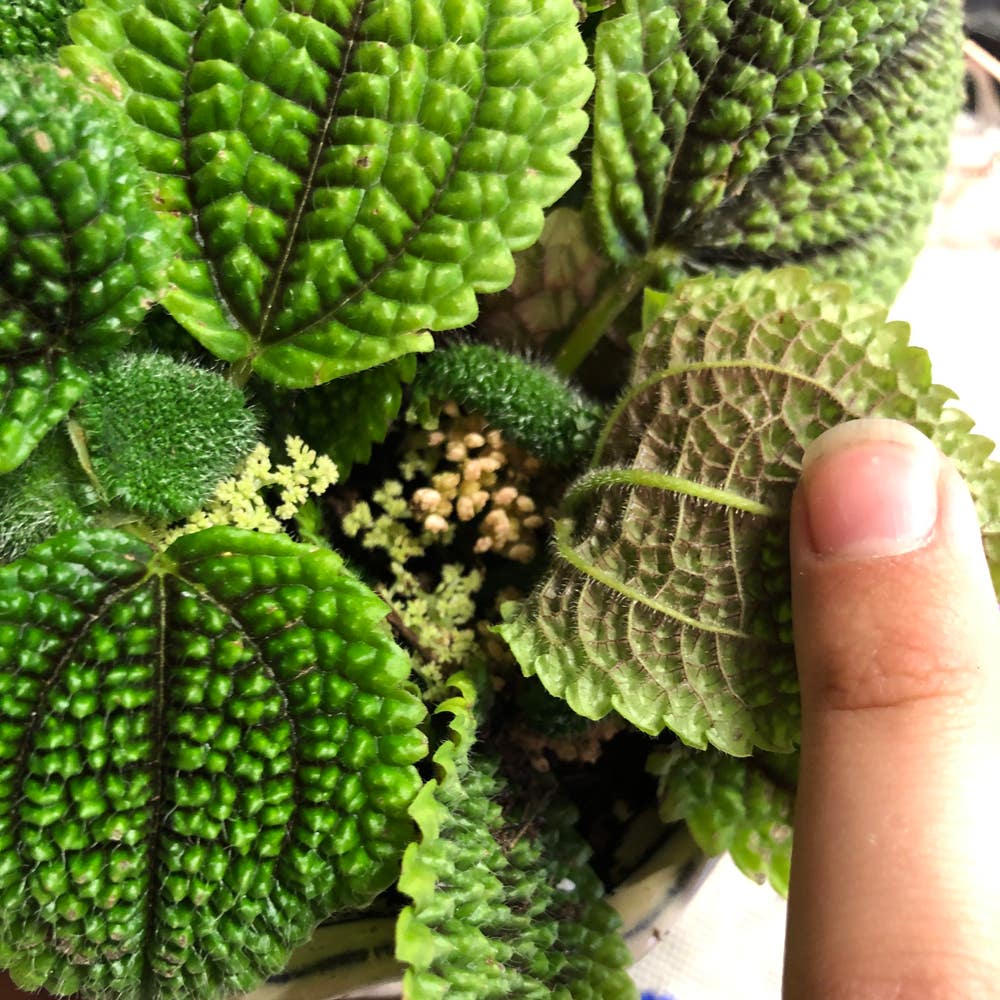
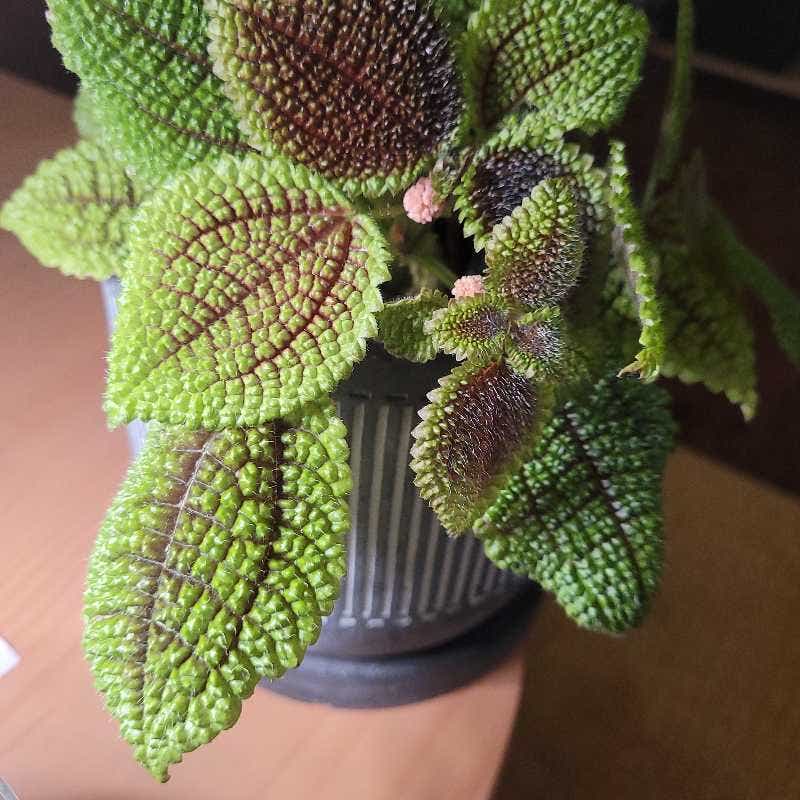
Pilea mollis
By the Greg Editorial Team
Oct 02, 2024•4 min read
This article was created with the help of AI so we can cover more plants for you. May contain errors. See one? Report it here.
- 🌱 Choose companion plants like Spider Plants and Boston Ferns for humidity and light needs.
- 🌼 Peace Lilies repel pests and thrive in low light, benefiting your Moon Valley Pilea.
- 🚫 Avoid cacti and strong-scented herbs to prevent competition and pest attraction.
Ideal Companion Plants
Plant 1: Spider Plant 🌱
The Spider Plant is a stunning foliage plant, known for its arching green and white striped leaves. This beauty thrives in bright, indirect light and loves high humidity, making it a perfect companion for your Moon Valley Pilea.
Caring for a Spider Plant is a breeze. It's non-toxic to pets, ensuring a safe environment for your furry friends, and it acts as a natural air purifier, enhancing the overall air quality in your home.
Plant 2: Boston Fern 🌿
Next up is the Boston Fern, which boasts lush, feathery fronds that add a delightful texture to your indoor garden. This plant also prefers high humidity and indirect light, aligning perfectly with the needs of your Moon Valley Pilea.
Beyond its aesthetic appeal, the Boston Fern increases humidity levels, creating a more favorable environment for both plants. Its cascading growth habit not only looks beautiful but also enhances the visual interest of your plant display.
Plant 3: Peace Lily 🌸
The Peace Lily is another fantastic choice, featuring elegant white blooms and glossy green leaves. It thrives in low-light conditions and enjoys high humidity, making it a compatible partner for your Pilea.
This plant is also non-toxic to pets, ensuring safety in your home. Additionally, the Peace Lily is known for its pest-repellent properties, helping to manage common indoor pests effectively.
With these three ideal companion plants, you can create a thriving indoor garden that not only looks great but also supports the health of your Moon Valley Pilea. Next, let’s explore which plants to avoid for optimal growth and harmony.
Plants to Avoid
🌿 Description of Plants That Should Not Be Planted Nearby
When considering companions for your Moon Valley Pilea, it's crucial to avoid certain plants.
Cacti and Succulents thrive in dry conditions and can compete for moisture, which is detrimental to your Pilea's health.
Strong-scented herbs can also be problematic, as their aromas may attract pests that could harm your plant.
🚫 Reasons for Avoidance
The competition for resources is a significant concern.
Cacti and succulents can dry out the soil, leading to stress for your Pilea, which prefers a more humid environment.
Additionally, the strong scents from certain herbs can lure unwanted pests, creating a challenging situation for your indoor garden.
By steering clear of these plants, you can ensure a healthier, happier Moon Valley Pilea.
This careful selection will help maintain a thriving ecosystem in your home, setting the stage for a vibrant indoor display.
Visual Appeal and Aesthetic Considerations
Enhancing Visual Appeal 🌿
Creating a vibrant indoor display starts with complementary foliage colors and textures. Pairing the lush green of the Moon Valley Pilea with the striking patterns of companion plants can elevate your space.
Layering plants of varying heights adds depth and interest to your arrangements. This not only draws the eye but also creates a more dynamic environment, making your plant collection a focal point in any room.
Suggestions for Cohesive Displays 🎨
For ease of maintenance, group plants with similar care needs together. This approach simplifies watering and light management, ensuring all your plants thrive.
Consider using decorative pots that either match or contrast with the Moon Valley Pilea. This adds visual harmony and can enhance the overall aesthetic, making your indoor garden feel intentional and curated.
By thoughtfully arranging your plants, you can create a stunning display that not only beautifies your space but also fosters a nurturing environment for your greenery. Next, let’s explore how to manage pests effectively with the help of companion plants.
Pest Management
Deter Pests with Companions 🐞
Companion planting is a fantastic strategy for keeping your Moon Valley Pilea healthy. By selecting the right plants, you can attract beneficial insects that naturally prey on common pests.
These companion plants also release natural compounds that repel harmful insects. This dual action creates a more balanced ecosystem in your indoor garden.
Examples of Pest-Repellent Properties 🌿
Spider Plant: This resilient plant attracts ladybugs, which are known for their appetite for aphids. Having ladybugs around can significantly reduce pest populations.
Peace Lily: Not only does it add elegance to your space, but it also contains compounds that deter spider mites and other pesky insects. This makes it a great ally for your Pilea.
By incorporating these companion plants, you can enhance your pest management strategy while keeping your indoor garden thriving. This approach not only protects your plants but also creates a more vibrant and healthy living environment.
Next, let’s explore how to enhance the visual appeal of your plant arrangements for a stunning indoor display.
⚠️ Safety First
This content is for general information and may contain errors, omissions, or outdated details. It is not medical, veterinary advice, or an endorsement of therapeutic claims.
Always consult a qualified healthcare professional before using any plant as food, medicine, or supplement.
Never eat any plant (or feed one to pets) without confirming its identity with at least two trusted sources.
If you suspect poisoning, call Poison Control (800) 222-1222, the Pet Poison Helpline (800) 213-6680, or your local emergency service immediately.
Spotted an error? Please report it here.
Create a thriving indoor oasis 🌱 for your Moon Valley Pilea with Greg's tailored care tips and companion plant suggestions that ensure your green friends flourish together!