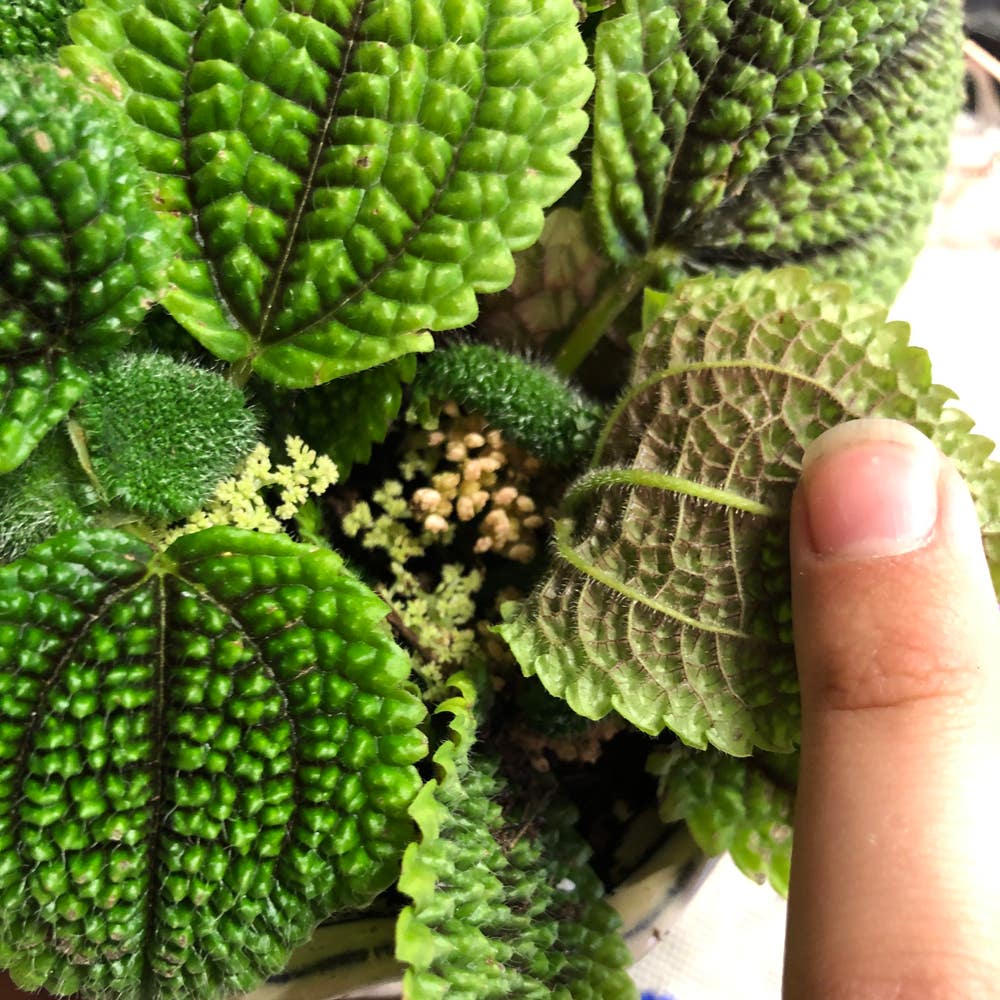
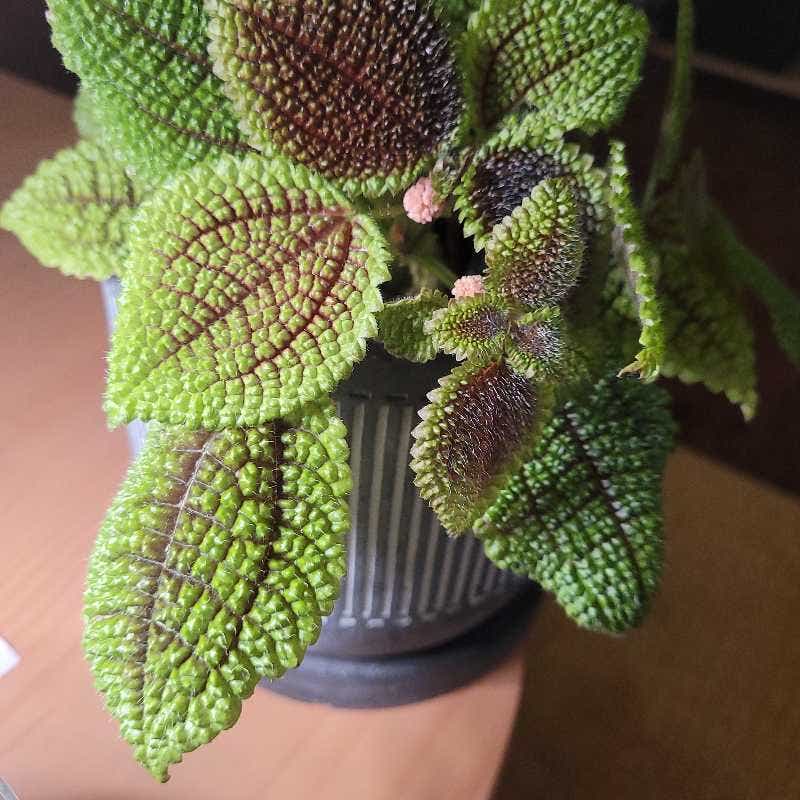
💧 Why Are My Pilea mollis Leaves Droopy?
Pilea mollis
By the Greg Editorial Team
Jun 18, 2024•5 min read
This article was created with the help of AI so we can cover more plants for you. May contain errors. See one? Report it here.
- 💧 Proper watering is key: check top inch of soil, use bottom watering.
- ☀️🌡️ Bright, indirect light and 57-77°F keep Pilea mollis happy.
- 🌱 Well-draining soil and balanced fertilizer ensure health and prevent droopiness.
When Thirsty Roots Cry Out: Watering Woes
Navigating the watering tightrope for Pilea mollis can be tricky, but it's crucial for preventing droopy leaves.
💧 The Fine Line Between Too Much and Too Little Water
Overwatering can drown roots and invite mold, while underwatering halts growth and shrivels leaves. It's about finding that sweet spot.
🌱 Signs to Look for in the Soil and Leaves
Yellowing leaves or wilting despite moist soil scream overwatering. Conversely, dry tips and slow growth signal a thirst for more H2O.
🚰 Perfecting Your Watering Technique for Pilea mollis
Bottom watering is a plant's happy hour, ensuring even moisture without overdoing it. Always check the top inch of soil for dryness before watering. Use a drainage pan to avoid soggy situations. During summer, water more; in winter, less. Remember, it's not about a schedule—it's about the plant's needs.

Let There Be Light (But Not Too Much): Light and Temperature Factors
🌞 Spotting the Symptoms of Light-Related Stress
Droopy leaves on your Pilea mollis might be screaming for a change in scenery. If they're looking more sunburned than sun-kissed, with brittle edges and dark patches, your plant is likely getting too much light and heat. Conversely, spindly growth or a lack of vibrancy could mean your green buddy is starved for photons.
Finding the Sweet Spot: Ideal Light Conditions for Pilea mollis
Your Pilea mollis doesn't need a tan; it craves bright, indirect light. Think of it as a shady spot on a sunny day. A north or east-facing window is a prime real estate, or use sheers to soften the blow from more aggressive south or west exposures. It's all about avoiding the harsh midday sun that could turn your plant into a crispy critter.
Keeping it Cool: Temperature Tips to Avoid Droopiness
Keep the temperature between 57 and 77 degrees Fahrenheit (13 and 25 degrees Celsius) to avoid turning your Pilea into a plant popsicle or a wilted salad. Avoid placing it near heat sources or drafty windows, and remember that your plant's comfort zone is more "room temperature" than "tropical getaway" or "arctic expedition."

The Ground Beneath Their Feet: Soil and Nutrient Balance
🌱 Drainage Dilemmas: Tweaking Your Soil for Better Health
Drainage is non-negotiable. If your Pilea mollis is slumping, it might be drowning in its own pot. Ensure your pot has holes and the soil is a well-draining mix. A soggy plant is an unhappy plant. Mix in some perlite or coarse sand to give your soil the texture of a crumbly chocolate cake—moist but not mushy.
🍽️ Feeding Your Pilea mollis: Spotting and Fixing Nutrient Deficiencies
Your Pilea isn't just being dramatic; yellow leaves could signal a nitrogen shortage. A balanced fertilizer is like a multivitamin for your plant—use it, but don't overdo it. Over-fertilization leads to the plant equivalent of a sugar rush followed by a crash—weak stems and a droopy demeanor. Aim for a 20-20-20 fertilizer, diluted to half strength, and feed monthly during the growing season. Remember, it's a meal, not a feast.
💧 Soil pH: The Unsung Hero
Soil pH can make or break nutrient uptake. Too acidic or too alkaline, and your Pilea might as well be eating cardboard. Aim for a pH between 6 to 7—slightly acidic to neutral. This is the sweet spot where nutrients are most available to your plant. If you've never tested your soil's pH before, now's a good time to start. It's like a personality test for your soil, and it can reveal a lot about what's going on beneath the surface.
🌿 The Organic Route: Slow and Steady
Organic nutrients are the slow food movement of plant care. They release nutrients gradually, reducing the risk of over-fertilization. It's a more natural approach, like home-cooked meals versus fast food. Plus, they're less likely to burn your plant's delicate roots. Think of it as a gourmet diet for your Pilea, nutritious and hard to overdo.

Bouncing Back: Reviving Your Droopy Pilea mollis
🚑 Immediate Rescue Steps
First things first: if your Pilea mollis has gone all limp-noodle on you, don't just stand there—act. Check the soil. Is it the Mojave Desert in there? Give it a thorough drink, letting excess water drain away. If it's more swamp than soil, let it dry out. Move your plant to a shadier spot to reduce stress and slow down the soil's drying time.
🌱 Examine the Roots
Get your hands dirty and inspect the roots. If they're brown and squishy, they're crying for help. Snip the rotten bits away and repot with fresh, well-draining soil. Remember: healthy roots make for a happy Pilea.
🕰 Long-Term Care Adjustments
Once you've dealt with the immediate crisis, it's time to think long game. Consistency is your new best friend. Water when the top inch of soil is dry—no sooner, no later. Light is key, too. Your Pilea craves bright, indirect sunlight, so find a spot that's just right.
📈 Monitoring and Adjusting
Keep a close eye on your green buddy. If it perks up, you're nailing it. If not, reassess your approach. It's like a dance where you're constantly adjusting your steps. And hey, don't forget to hold off on the fertilizer until you see new growth. That's your plant's way of saying, "Thanks, I'm good to go!"
🌿 Embrace the Journey
Remember, reviving your Pilea isn't a sprint; it's a marathon with pit stops. Keep a log of what works and what doesn't. It's not just plant care; it's a relationship. And like all good relationships, it takes patience, understanding, and a bit of trial and error.
⚠️ Safety First
This content is for general information and may contain errors, omissions, or outdated details. It is not medical, veterinary advice, or an endorsement of therapeutic claims.
Always consult a qualified healthcare professional before using any plant as food, medicine, or supplement.
Never eat any plant (or feed one to pets) without confirming its identity with at least two trusted sources.
If you suspect poisoning, call Poison Control (800) 222-1222, the Pet Poison Helpline (800) 213-6680, or your local emergency service immediately.
Spotted an error? Please report it here.
Keep your Pilea mollis perky and hydrated 💧 with Greg's personalized reminders, ensuring you hit the sweet spot between too much and too little water every time.