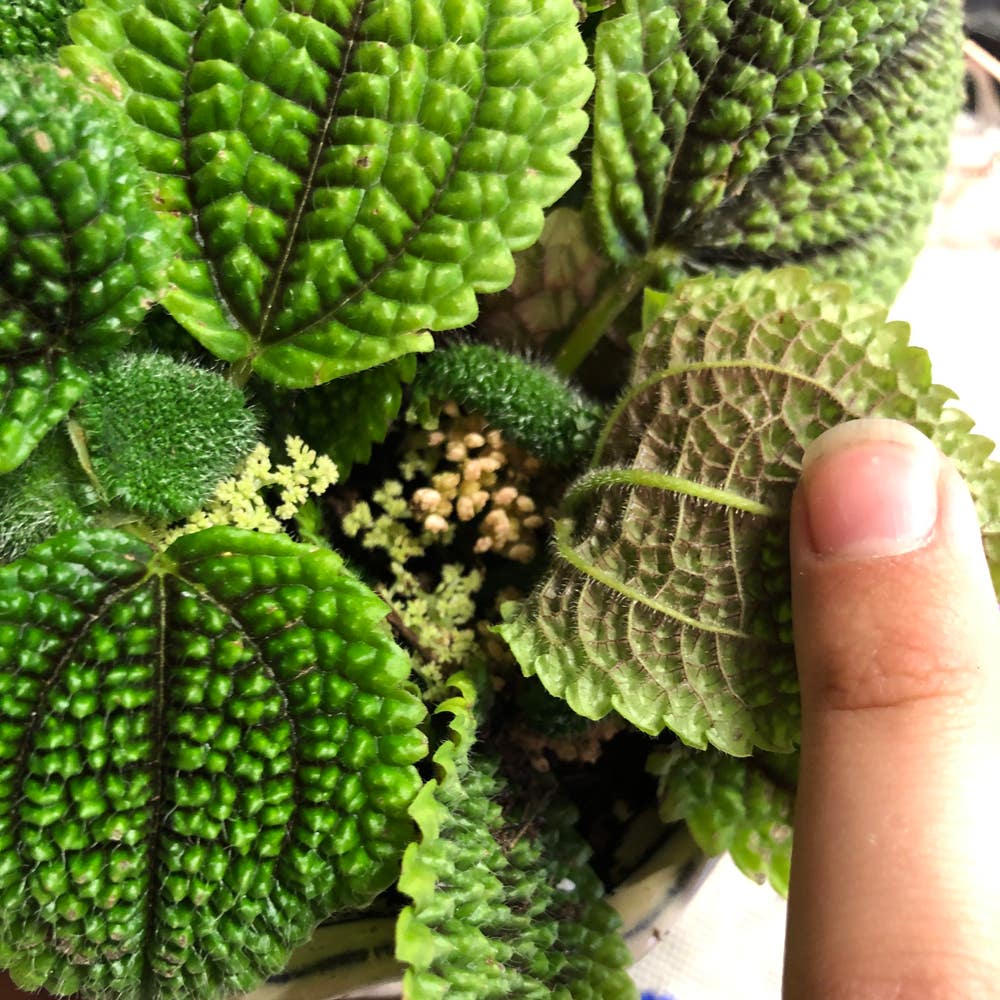
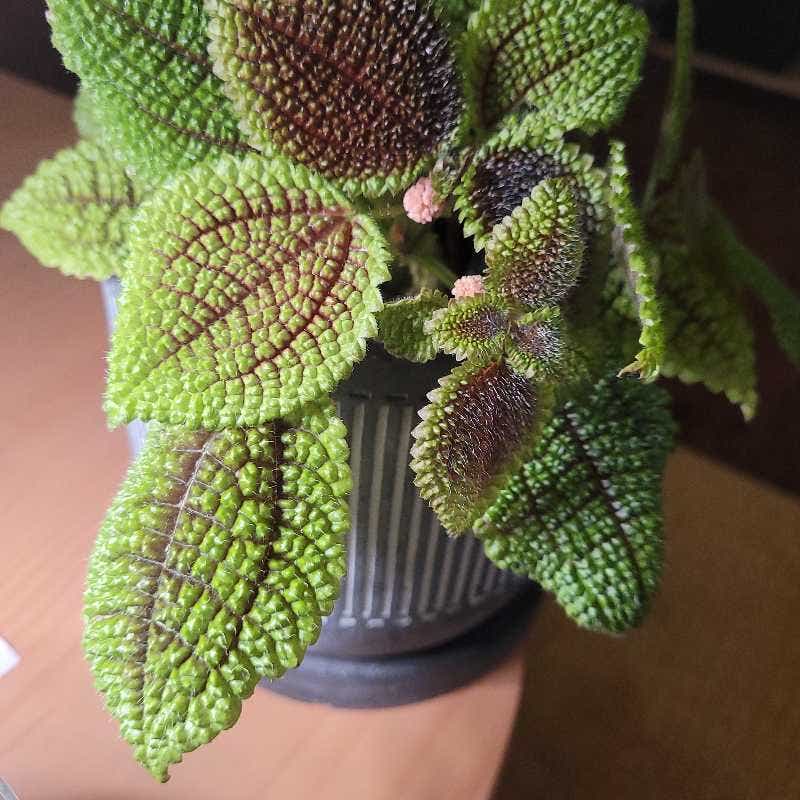
😢 Why Is My Pilea mollis Dropping Leaves?
Pilea mollis
By the Greg Editorial Team
Jun 18, 2024•5 min read
This article was created with the help of AI so we can cover more plants for you. May contain errors. See one? Report it here.
- Overwatering and underwatering both lead to leaf drop; know the signs.
- Light and temperature issues can cause leaf discoloration and wilting.
- Immediate fixes: Adjust watering, light, and temperature; check roots and soil.
Spot the Signs: How to Tell Your Pilea mollis Is Unhappy
💧 Overwatering Symptoms
Yellowing leaves that detach easily could mean you're drowning your Pilea mollis in affection—literally. Overwatering can lead to root rot, where roots turn from healthy white to a mushy, decaying mess. If your plant's leaves are more like a squishy marshmallow than a crisp leaf, it's time to ease up on the waterworks.
🏜️ Underwatering Symptoms
When your Pilea mollis starts to resemble a dry autumn leaf rather than a vibrant green friend, it's a cry for hydration. Leaves may droop, soil pulls away from the pot's edge, and the plant's growth could be as underwhelming as a deflated balloon. Crisp leaves and dry soil are your plant's SOS signal.
🌞 Light-Related Leaf Loss
If your Pilea's leaves are curling like they're trying to escape the pot, or if the stripes on the leaves are more vivid than a neon sign, your light conditions might be off. Too much sun can lead to browning tips, while not enough light can leave your plant stretched and pale, like it's been on a Netflix binge for too long.
🌡️ Temperature Troubles
Wilting or discoloration of foliage isn't just a water issue—it can also be a sign of your Pilea mollis throwing a tantrum over the temperature. Sudden changes can cause wilting, while consistent extremes can lead to a plant that's more droopy than a teenager on Monday morning. Keep the temperature as consistent as a barista's perfect espresso shot for a happy plant.

Turn It Around: Immediate Steps to Stop Leaf Drop
🚰 Fixing Overwatering
Immediate action is crucial to save an overwatered Pilea mollis. Remove the plant from its pot and inspect the roots. Trim away any that are damaged. Let the soil dry out completely before considering another watering. If mold has appeared, scrape off the top layer of soil and replace it with fresh, dry potting mix. Going forward, ensure your pot has adequate drainage holes to prevent water from pooling around the roots.
🏜️ Addressing Underwatering
When your Pilea mollis is underwatered, it's like a cry for hydration. Soak the soil until water runs out of the drainage holes, but don't let the plant sit in water. Afterwards, monitor the soil moisture closely. A moisture meter can be your best friend here, helping you to gauge when the next drink is due. Remember, your Pilea's water needs may decrease during dormancy periods.
🌞 Light Adjustment
If your Pilea mollis is dropping leaves due to poor lighting, it's time to find that sweet spot. Move your plant to a location where it can receive bright, indirect light. A few hours of direct sunlight can be beneficial, but too much will cause stress. Observe how your Pilea responds and adjust its position as needed to ensure it's getting just the right amount of light.
🌡️ Temperature Regulation
Your Pilea mollis is sensitive to temperature changes. If leaves are dropping due to temperature stress, move your plant away from drafty windows or heat sources. Maintain a consistent temperature range, ideally between 60-75°F (15-24°C). If your plant has been exposed to cold, consider insulating it from further temperature shocks.

Long-Term Love: Preventing Future Leaf Drop
💧 Watering Wisdom
Consistency is your plant's best friend when it comes to watering. Establish a routine that adapts to the seasons—your Pilea mollis's thirst will vary just like your need for iced or hot coffee does. Use a moisture meter to take the guesswork out of when to water, and aim for soil that's moist, but never soggy. Remember, overenthusiastic watering leads to a sad, droopy plant.
☀️ Lighting the Way
Your Pilea mollis craves stable light conditions. Find that sweet spot where the light is bright but indirect, and keep it there. If your home is more cave than greenhouse, consider a grow light to keep your leafy friend from becoming a pale imitation of itself. Light is like plant food, and without the right amount, you're basically putting your Pilea on an involuntary diet.
🌡️ Keeping It Cozy
Temperature swings are the drama queens of the plant world—avoid them at all costs. Stability is key; find a cozy corner that maintains a consistent temperature, away from drafts or direct heat sources. If your home's climate is more unpredictable than a reality TV show, invest in a thermometer to keep track of those highs and lows.
🌱 Soil and Roots Check-Up
Roots need room to groove, and they can't do that in compacted soil. Ensure your Pilea mollis is living in a well-draining mix that's like a comfy bed for its roots. Regularly check for signs of root rot, because healthy roots mean a healthy plant. And don't forget to upgrade their living situation with a bigger pot when they start to feel cramped—nobody likes wearing shoes that are two sizes too small.

⚠️ Safety First
This content is for general information and may contain errors, omissions, or outdated details. It is not medical, veterinary advice, or an endorsement of therapeutic claims.
Always consult a qualified healthcare professional before using any plant as food, medicine, or supplement.
Never eat any plant (or feed one to pets) without confirming its identity with at least two trusted sources.
If you suspect poisoning, call Poison Control (800) 222-1222, the Pet Poison Helpline (800) 213-6680, or your local emergency service immediately.
Spotted an error? Please report it here.
Nurture your Pilea mollis back to health with Greg's tailored care reminders 🌱, helping you adjust watering and environment for happier, leafier growth.