What Do Pilea mollis Flowers Mean?
Pilea mollis
By the Greg Editorial Team
Jun 18, 2024•5 min read
This article was created with the help of AI so we can cover more plants for you. May contain errors. See one? Report it here.
- Rare blooms signal thriving Pilea mollis, a plant parent's delight.
- 🌱 Proper care induces flowering: light, temperature, humidity, and balanced nutrients.
- Troubleshoot for success: Adjust water, humidity, and fertilization for blooms.
When Pilea Mollis Decides to Bloom
🌸 The Rarity of Indoor Flowering
Indoor Pilea mollis blooms are like comets; they grace us rarely, and when they do, it's an event. Most don't see their Pilea flower, but when it happens, it's a botanical high-five.
Flowering indoors signals your Pilea is more than just surviving—it's thriving. It's a nod to your green thumb, or perhaps a fluke of perfect conditions.
🌼 The Look of Pilea Mollis Flowers
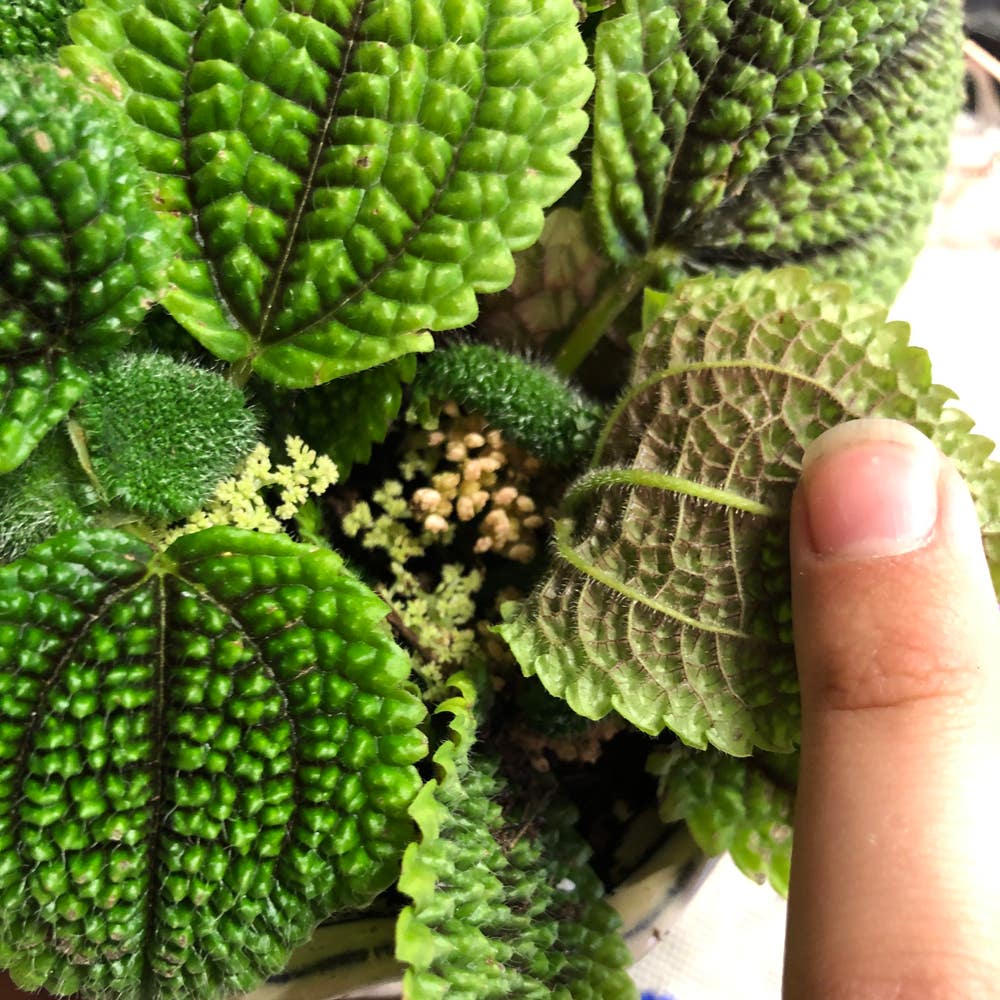
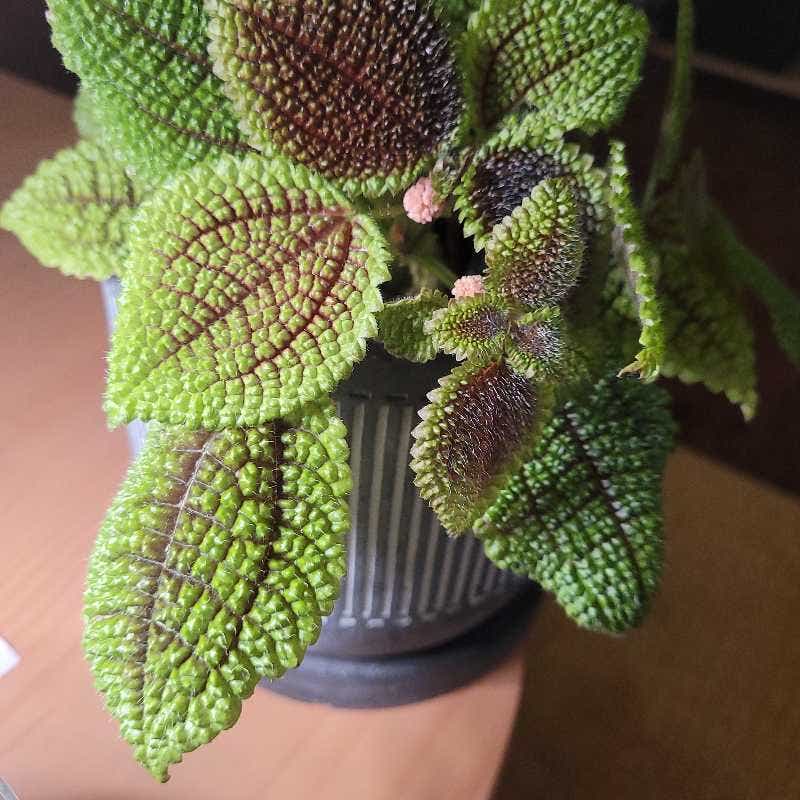
Pilea mollis flowers are unassuming; tiny, with a subtle charm. They're whitish to pinkish, often overlooked among the foliage.
Lifecycle is brief, so if you blink, you might miss the show. It's a fleeting moment of glory in the life of your Pilea.

The Secret to Sparking Pilea Mollis Blooms
💡 Fine-Tuning the Environment
Light: Your Pilea mollis is a bit of a Goldilocks when it comes to light—not too much, not too little. The sweet spot? Bright, indirect light. Direct sunlight is a no-go; it's like a bad sunburn waiting to happen. But keep it in the shadows, and you'll have a sullen, bloom-less plant on your hands.
Temperature and Humidity: Think of crafting a mini tropical paradise for your Pilea. The ideal temperature range is a cozy 65° to 75°F (18° - 24°C). Humidity-wise, these plants like it on the muggy side. If your home is more desert than rainforest, consider a pebble tray or a humidifier to up the moisture in the air.
🌼 Care Tips for Flower Encouragement
Watering and Feeding: Balance is key. Keep the soil consistently moist but not waterlogged—root rot is the silent killer of many a houseplant. When it comes to feeding, a balanced liquid fertilizer every month should do the trick. Think of it as a monthly spa treatment for your Pilea.
Pruning and Grooming: Encouraging growth and flowering means getting snippy. Remove dead or yellowing leaves to redirect energy to the healthy parts of the plant. And don't be afraid to give your Pilea a little haircut to promote bushier growth; it's like telling your plant, "Hey, it's time to focus on making some flowers."

Interpreting Pilea Mollis Flowers
🌸 Personal and Emotional Resonance
When your Pilea mollis bursts into bloom, it's like a high-five from Mother Nature. Your care has paid off, and those elusive flowers are proof. The rarity of such an event indoors makes it all the more special, a botanical pat on the back for the attentive plant parent.
Witnessing the joy of your Pilea in bloom is akin to watching your favorite underdog story reach its climax. It's a living testament to the love and attention you've poured into your leafy companion.
📖 Flowers in Folklore and Modern Times
Pilea blossoms don't just pop up; they carry a backstory. In folklore, plants and their flowers often symbolize deeper meanings, from prosperity to friendship. While Pilea doesn't have a storied past like roses or lilies, its sudden popularity has imbued it with modern sentiments of good fortune and connectivity.
In today's context, a blooming Pilea might be seen as a beacon of positive energy, a nod to the plant's coin-shaped leaves and their association with abundance. Whether given as a gift or thriving in your own space, the Pilea's flowers are a fresh symbol of growth and personal achievement.

Overcoming Flowering Challenges
🌸 Common Flowering Hurdles
Why isn't my Pilea flowering? It's the question that plagues many plant parents. Your Pilea mollis might be holding out on blooms due to a variety of reasons. Overwatering is a classic misstep, leading to root rot and a host of other issues. Conversely, underwatering can leave your plant too stressed to produce flowers. Light is another factor; without enough bright indirect light, your Pilea may not have the energy to bloom.
Temperature and humidity also play their parts. If your home doesn't mimic a Pilea's natural tropical environment, it may not feel comfortable enough to flower. Lastly, let's not forget fertilization; too much or too little can disrupt your plant's delicate balance, leaving flowers as just a dream.
🛠 Troubleshooting Tips
To diagnose your plant's health, start with the basics. Check the soil moisture—is it too wet or too dry? Inspect the leaves for signs of distress, such as yellowing or browning, which can indicate watering issues or nutrient imbalances. Ensure your Pilea isn't root-bound; a cramped pot can stifle its flowering potential.
Adjusting care to promote flowering involves a delicate dance of conditions. Strike a balance with watering, allowing the top inch of soil to dry out before the next watering. Boost humidity around your plant without compromising air circulation. Consider the quality of your water; high mineral content can be harmful, so filtered or rainwater might be your best bet.
Fertilize wisely—a balanced, diluted fertilizer during the growing season can encourage blooms, but overdoing it can backfire. If you've been generous with the pruning shears, ease up. Over-pruning can shock your plant, putting flowering on the back burner. Keep a vigilant eye on your Pilea and adjust your care routine as it responds. With patience and attention to detail, you'll increase the odds of seeing those elusive Pilea flowers.
⚠️ Safety First
This content is for general information and may contain errors, omissions, or outdated details. It is not medical, veterinary advice, or an endorsement of therapeutic claims.
Always consult a qualified healthcare professional before using any plant as food, medicine, or supplement.
Never eat any plant (or feed one to pets) without confirming its identity with at least two trusted sources.
If you suspect poisoning, call Poison Control (800) 222-1222, the Pet Poison Helpline (800) 213-6680, or your local emergency service immediately.
Spotted an error? Please report it here.
Achieve the coveted Pilea mollis bloom 🌼 with Greg's tailored care reminders, ensuring your plant parent journey is as abundant as the flowers you aspire to see.