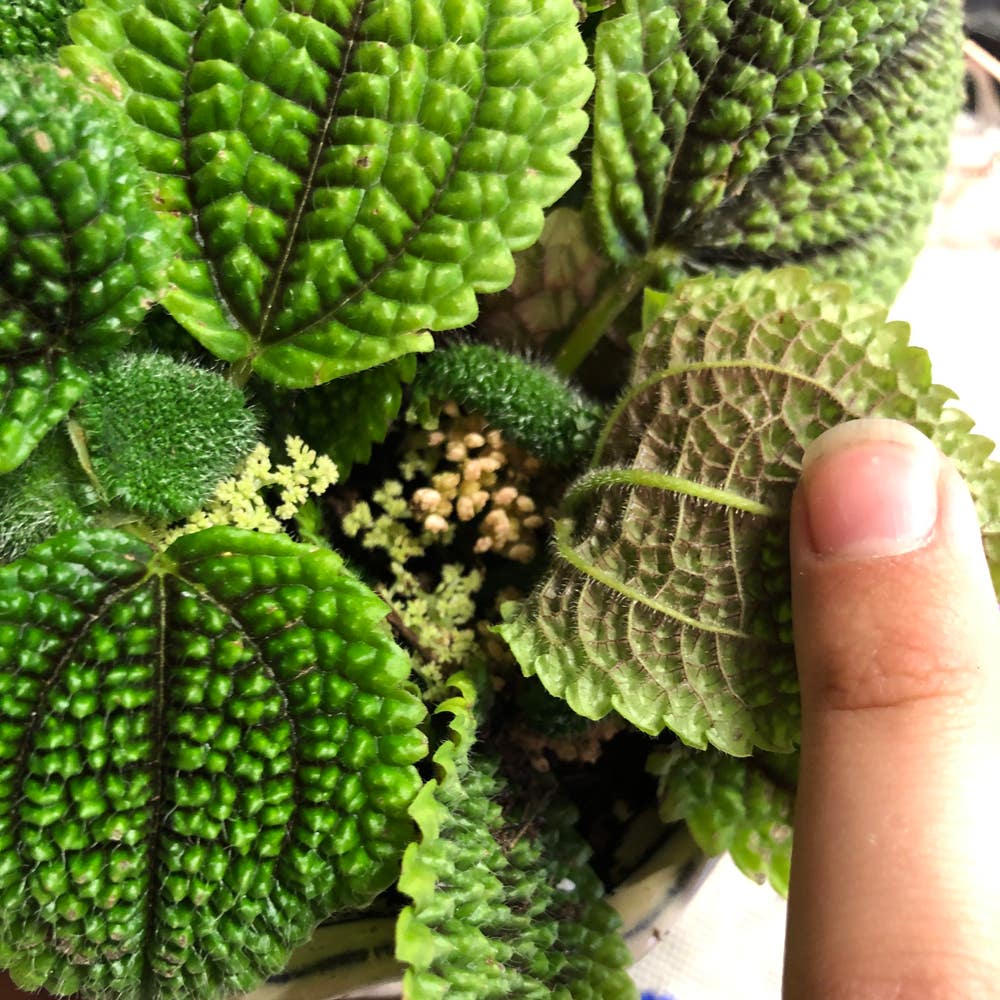
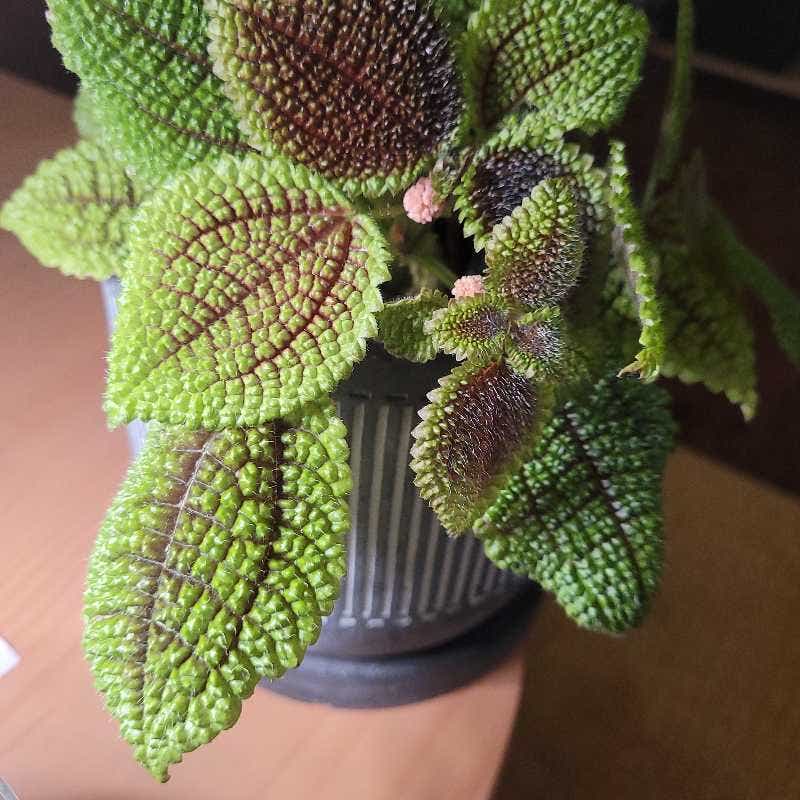
What Temperature Should My Pilea mollis Be Kept At?
Pilea mollis
By the Greg Editorial Team
Jun 18, 2024•4 min read
This article was created with the help of AI so we can cover more plants for you. May contain errors. See one? Report it here.
- 65°F to 75°F (18°C to 24°C) for Pilea mollis' best growth.
- 🌡️ Watch for wilting or discoloration as signs of temperature stress.
- Avoid drafts and direct sun to prevent temperature extremes.
Hitting the Sweet Spot: Pilea Mollis' Ideal Temperature Range
🌡️ The Goldilocks Zone for Pilea mollis
65°F to 75°F (18°C to 24°C) isn't just a random range; it's where Pilea mollis thrives. In this zone, expect a happy plant with vigorous growth and the potential for flowering.
🥵 When It's Too Hot to Handle
Leaves turning crispy? Growth stunted? Your Pilea might be baking. Move it away from direct sunlight and consider a pebble tray for cooler feet.
🥶 When It's Too Cold to Grow
A Pilea shivering in the cold is a sad sight—droopy leaves and slow growth give it away. Warm it up gently, but skip the tropical heatwave. A room with consistent warmth does the trick.

Reading the Leaves: Signs of Temperature Stress
🌡️ Visual SOS: Wilting, Discoloration, and More
Your Pilea's leaves are talking; it's time to listen. Wilting? That's plant-speak for "I'm overheating!" Yellow leaves can be a shout for cooler temps or a drainage plea. Brown spots or edges might as well be a sign that reads "Brr, it's too cold!" Dropping leaves faster than a pop star drops singles? Your Pilea is sending out an SOS.
📉 Growth Tells the Tale
Slowed growth is your Pilea waving a white flag—something's off. It's not just being a drama queen; it's genuinely struggling. When growth hits the brakes, it's akin to your plant hitting the pause button on life. If your green buddy's growth is more sluggish than a Monday morning, it's time to reassess the thermostat.

Keeping the Chill Out: Avoiding Temperature Stress
🌬️ Drafts and Chills: The Sneaky Culprits
Drafts are the ninja of temperature foes, slipping unnoticed into your home and turning your Pilea mollis into a popsicle. Windows and doors are the usual suspects, betraying your plant with every gust of wind.
To rearrange for Pilea peace of mind, play detective. Feel around for those colder spots and move your green friend to a draft-free zone. It's like giving your plant a security blanket without the actual blanket.
🌞 Sunburn and Heat Stroke in Plants
Too much sun is like a bad vacation for your Pilea mollis—leaves get sunburned, and the whole plant starts to look like it needs aloe vera. The risks are real; crispy leaves are a cry for help.
Creating a sun-safe haven is about location, location, location. Think bright but indirect light, like the kind of shady spot you'd choose for a picnic. If you catch your Pilea reaching for the sun, it's time to scoot it back from the light—no SPF required.

A Quick Nod to Humidity
Humidity and temperature are like a dynamic duo for Pilea mollis, each influencing the plant's well-being. Optimal humidity levels hover around 50%, creating a cozy environment for your Pilea to thrive. Too dry, and you'll notice the leaves throwing a fit with curling and browning edges; too moist, and you're on the fast track to fungal party central.
🌡️ The Humidity Balancing Act
Avoid extremes; they're the nemesis of Pilea mollis. A humidifier can be your secret weapon, allowing you to dial in the perfect moisture level in the air. But remember, moderation is key—think of it as setting the mood, not creating a rainforest.
🌿 Humidity Hacks
If you're not into gadgets, there are simpler ways to up the humidity. Group your Pilea with other plants to create a mini ecosystem, or place it in a naturally steamy spot like the bathroom. Misting? Sure, it's like a mini spa treatment for your Pilea, but don't overdo it—no one enjoys a soggy plant.
📊 Monitoring Made Easy
Keep a hygrometer handy to monitor humidity. Guesswork is not an option when it comes to the comfort of your Pilea mollis. With the right tools and attention, you can ensure your plant doesn't just survive, but genuinely flourishes.
⚠️ Safety First
This content is for general information and may contain errors, omissions, or outdated details. It is not medical, veterinary advice, or an endorsement of therapeutic claims.
Always consult a qualified healthcare professional before using any plant as food, medicine, or supplement.
Never eat any plant (or feed one to pets) without confirming its identity with at least two trusted sources.
If you suspect poisoning, call Poison Control (800) 222-1222, the Pet Poison Helpline (800) 213-6680, or your local emergency service immediately.
Spotted an error? Please report it here.
Ensure your Pilea mollis is perfectly pampered 🌡 with Greg's custom reminders for ideal temperature and humidity, keeping your plant happy and stress-free!