Why Are the Leaves on My Pilea mollis Turning Yellow?
Pilea mollis
By the Greg Editorial Team
Jun 18, 2024•5 min read
This article was created with the help of AI so we can cover more plants for you. May contain errors. See one? Report it here.
- Overwatering causes yellowing: Let soil dry out between waterings.
- 🌞 Bright indirect light is best: Avoid direct sunlight to prevent leaf damage.
- Nutrient balance is key: Use a diluted 20-20-20 fertilizer monthly.
When Yellow Means Caution: Identifying Overwatering
🚰 Spotting the Signs of Too Much Water
Yellowing leaves on your Pilea mollis can be a red flag for overwatering. If the leaves look more wilted than a forgotten salad and the soil feels like a wet sponge, it's time to reassess your watering habits. Root rot may also be at play, with roots turning into a mushy, brown mess. And if your plant's personal space smells like a musty basement, mold or fungus could be joining the overwatering party.
Fine-Tuning Your Watering Schedule
To prevent your Pilea from drowning in excess love, let the soil dry out a bit between waterings. Think of it as a moisture siesta. A simple finger test can tell you when it's time for another drink—aim for soil that's as moist as a well-wrung sponge, not a soaked one. And if your plant's pot feels heavier than your last Amazon package, hold off on the H2O.
The Drainage Factor
Proper drainage is the unsung hero in the battle against overwatering. Ensure your pot has drainage holes that aren't just for show. If the pot's bottom is holding water like a dam, you've got a recipe for root rot. Consider a soil mix that's more aerated than a yoga class, allowing water to flow through freely without turning your Pilea's home into a swamp.

Thirsty Plant Alert: Tackling Underwatering
🚰 Clues That Your Pilea Needs More Water
Droopy leaves on your Pilea mollis? Red flag. It's a classic cry for hydration. When the soil feels as dry as a desert, it's a clear sign your green buddy is parched. Don't wait for brown, crispy leaf tips to tell you what's already obvious. Slow growth or small new leaves can also be a telltale sign of underwatering.
🚰 Establishing a Thirst-Quenching Routine
Forget the guesswork; stick your finger in the soil. If it's dry a couple of inches down, it's time to water. No need for a fancy moisture meter when your digit does the trick. And remember, your Pilea's thirst changes with the seasons—more frequent drinks in summer, less so when it's cooler. A self-watering pot can be a lifesaver for the forgetful plant parent. It's like a steady IV drip for your plant, minus the hospital vibes.

Let There Be Light: Balancing Light Exposure
🌿 Reading the Leaves: Light Needs of Pilea mollis
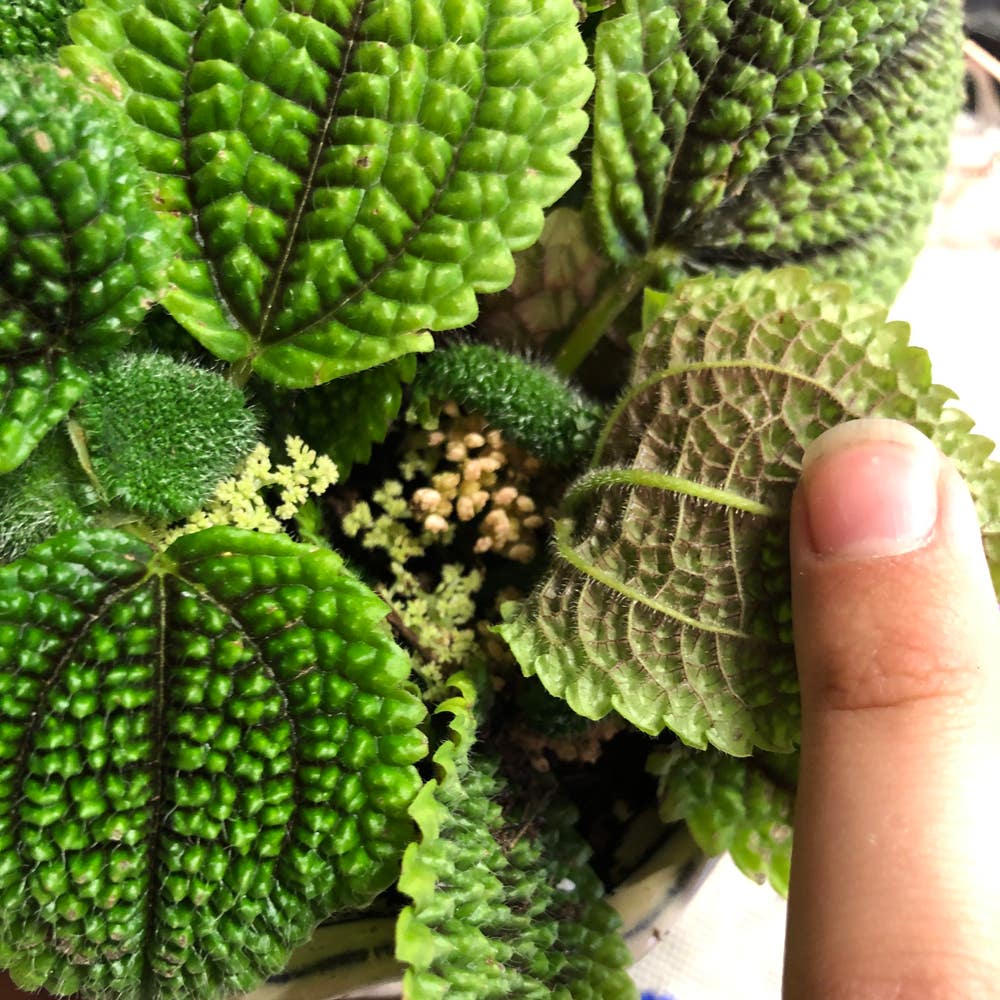
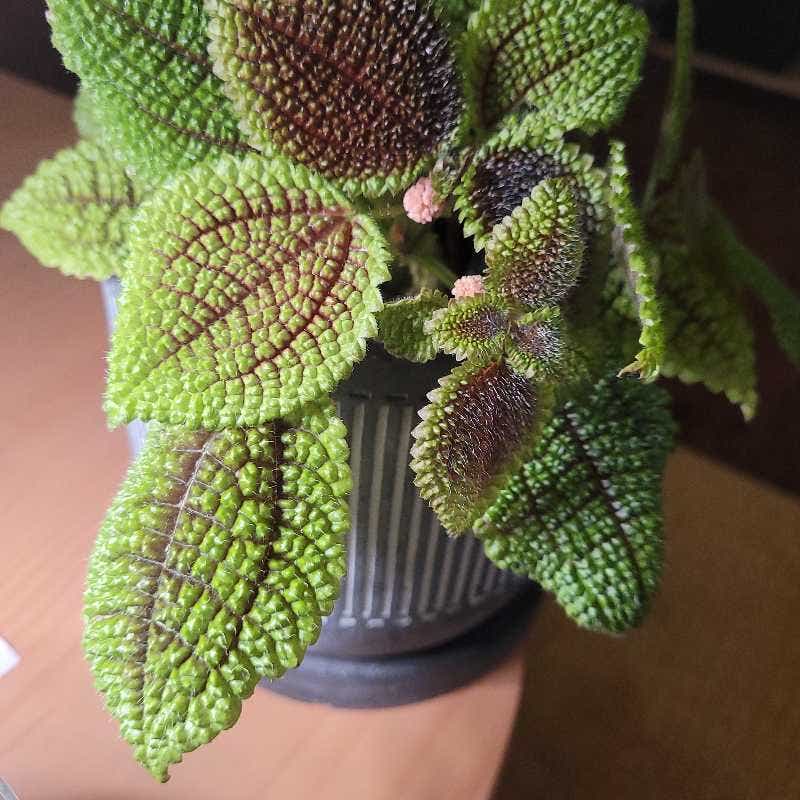
Pilea mollis craves bright indirect light to maintain its lush, green leaves. Direct sunlight can be a brutal enemy, causing leaves to crisp up like overdone toast. Avoid the midday sun's harsh glare, which can lead to leaf discoloration and damage.
Finding the Sweet Spot
Locate a spot where your Pilea can bask in gentle light, akin to a cat lounging in a warm patch on the carpet. An eastern or northern window is ideal, providing the soft light without the intense heat. Rotate your plant occasionally to ensure even growth and prevent the botanical equivalent of a lopsided haircut. If natural light is scarce, consider LEDs or fluorescent tubes; they're the plant world's version of a well-balanced meal, minus the calories.

Feeding Foliage: Correcting Nutrient Deficiencies
💡 The Telltale Signs of Nutritional Needs
Yellow leaves on your Pilea mollis might be shouting for help in the nutrient department. If the lower leaves start to look like they've lost their mojo, turning a sad shade of yellow, it could be a nitrogen deficiency. Striped or patchy yellowing? Your plant could be hinting at a lack of potassium or magnesium. Don't just eyeball it; get a soil test to play detective on the exact deficiencies.
🍽️ The Right Diet for Your Pilea
Choosing the right fertilizer is like picking a meal for a picky eater—it has to be just right. An all-purpose 20-20-20 fertilizer, diluted to half strength, is like comfort food for your Pilea. Feed it once a month, but remember, more is not merrier. Overfeeding is like force-feeding cake to your plant; it'll only make things worse. Keep an eye on the response—your Pilea will let you know if it's hitting the spot or if you've gone overboard.
Bug Off: Preventing Pests and Diseases
🐜 Common Culprits: Pests That Target Pilea mollis
Pests are unwelcome guests in the lush foliage of Pilea mollis. Spider mites, mealybugs, and scale insects are the usual suspects when leaves start to yellow. These pests suck the life out of leaves, leaving them pale and sapped of vigor.
To spot these critters, look for sticky residue, webbing, or tiny insects themselves. Vigilance is key; regular inspections can catch an infestation before it becomes a full-blown crisis.
🦠 Keeping Diseases at Bay
Diseases can be stealthy, often presenting as yellowing leaves or unsightly spots. Fungal infections and root rot are common issues that stem from poor conditions.
Prevention is your best defense. Ensure your Pilea mollis is in well-draining soil and receives adequate air circulation. If you spot trouble, remove affected leaves and consider a fungicide if necessary.
Remember, the best offense is a good defense. Keep your plant strong with proper care, and it'll be less likely to succumb to pests and diseases.
⚠️ Safety First
This content is for general information and may contain errors, omissions, or outdated details. It is not medical, veterinary advice, or an endorsement of therapeutic claims.
Always consult a qualified healthcare professional before using any plant as food, medicine, or supplement.
Never eat any plant (or feed one to pets) without confirming its identity with at least two trusted sources.
If you suspect poisoning, call Poison Control (800) 222-1222, the Pet Poison Helpline (800) 213-6680, or your local emergency service immediately.
Spotted an error? Please report it here.
Ensure your Pilea mollis stays lush and vibrant 🌿 with Greg's personalized watering reminders and seasonal care tips, keeping those leaves perfectly green.