🌙 3 Indoor Care Tips for Moon Valley Pilea
Pilea mollis
By the Greg Editorial Team
Oct 02, 2024•5 min read
This article was created with the help of AI so we can cover more plants for you. May contain errors. See one? Report it here.
- 🌞 Moon Valley Pilea thrives in bright, indirect light; avoid direct sunlight to prevent damage.
- 💧 Water every 1-2 weeks, checking soil dryness to prevent overwatering or underwatering.
- 🌬️ Maintain humidity between 40-60% for optimal growth; consider using a humidifier.
Light Requirements
Ideal Conditions for Indoor Growth 🌱
For your Moon Valley Pilea to thrive, it needs bright, indirect light. Direct sunlight can scorch its delicate leaves, so aim for indoor light levels between 1000-2000 foot-candles for optimal growth.
Role of Grow Lights 💡
If natural light is lacking, grow lights are a fantastic solution. They provide consistent light exposure and can extend growth periods, ensuring your plant stays vibrant and healthy.
Choosing the Best Grow Light 🔍
When selecting a grow light, consider the type: LED, fluorescent, or incandescent. Full-spectrum LED lights are the best choice for energy efficiency and longevity, and aim for a light duration of 12-14 hours daily.
Placement Tips 📏
Position your grow lights 12-24 inches above the plant to maximize effectiveness. This distance helps prevent overheating while ensuring your Pilea receives the light it craves.
With the right light conditions, your Moon Valley Pilea will flourish. Next, let’s dive into its watering needs to keep it hydrated and happy!
Watering Needs
Frequency and Amount 🌊
Watering your Moon Valley Pilea is straightforward. Check the top 1-2 inches of soil; if it feels dry, it’s time to water.
Typically, you’ll want to stick to a schedule of every 1-2 weeks. This can vary based on your home’s humidity and temperature levels.
Signs of Overwatering and Underwatering 🚨
Understanding your plant's signals is crucial. Overwatering can lead to yellowing leaves, mushy stems, and even root rot.
On the flip side, underwatering shows up as drooping leaves, crispy edges, and stunted growth. Keep an eye out for these signs to ensure your plant thrives.
By mastering the watering needs of your Moon Valley Pilea, you set the stage for a healthy, vibrant plant. Next, let’s explore the optimal humidity and temperature conditions for your indoor garden.
Humidity and Temperature
Optimal Levels 🌬️
Maintaining the right humidity is crucial for your Moon Valley Pilea. Aim for a humidity range of 40-60% to keep your plant thriving.
To achieve this, consider using a humidifier or a pebble tray filled with water. Grouping your plants together can also create a cozy microclimate that boosts humidity levels.
Temperature Range 🌡️
Your Pilea prefers a comfortable temperature between 65°F to 75°F (18°C to 24°C). It's essential to keep it away from drafts or sudden temperature changes that could stress the plant.
By ensuring these optimal conditions, you set the stage for vibrant growth and lush foliage. With the right humidity and temperature, your Moon Valley Pilea will flourish beautifully.
Next, let’s explore the best soil and fertilization practices to keep your plant healthy and happy.
Soil and Fertilization
🌱 Best Soil Type
For your Moon Valley Pilea, a well-draining potting mix is essential. Aim for a soil composition of 50% potting soil, 25% perlite, and 25% orchid bark to ensure optimal drainage and aeration.
📅 Fertilization Schedule
Fertilizing your plant every 4-6 weeks during the growing season—spring and summer—is crucial for its health. Use a balanced liquid fertilizer with an NPK ratio of 10-10-10, but remember to dilute it to half strength for the best results.
Maintaining the right soil and fertilization routine will set your Moon Valley Pilea up for success. Next, let’s explore how to tackle common issues and keep your plant thriving.
Common Issues and Solutions
🐛 Pests and Diseases
Common Pests
Moon Valley Pilea can attract a few pesky pests. Keep an eye out for spider mites, aphids, and mealybugs, which can wreak havoc on your plant.
Signs of Infestation
Look for telltale signs like webbing, sticky residue, and white cotton-like masses. Catching these early can save your plant from serious damage.
🚫 Prevention and Treatment
Regular Inspections
Make it a habit to inspect your plants regularly for any signs of pests. Early detection is key to keeping your Moon Valley Pilea healthy.
Treatment Options
If you spot any pests, consider using neem oil or insecticidal soap. You can also introduce beneficial insects, like ladybugs, to help manage the pest population naturally.
✂️ Appearance Maintenance
Pruning and Grooming
To keep your plant looking its best, regularly remove any dead or yellowing leaves. Pruning not only tidies up the appearance but also encourages bushier growth.
Maintaining Vibrant Foliage
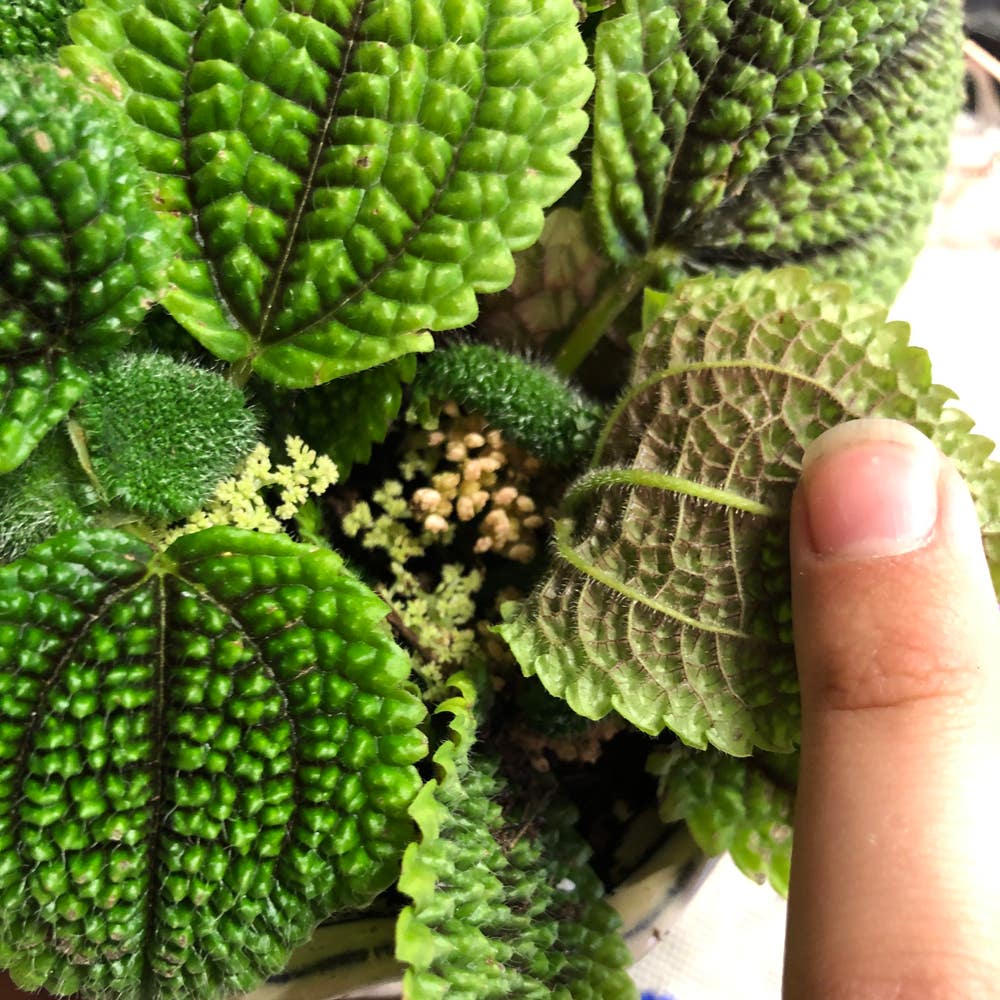
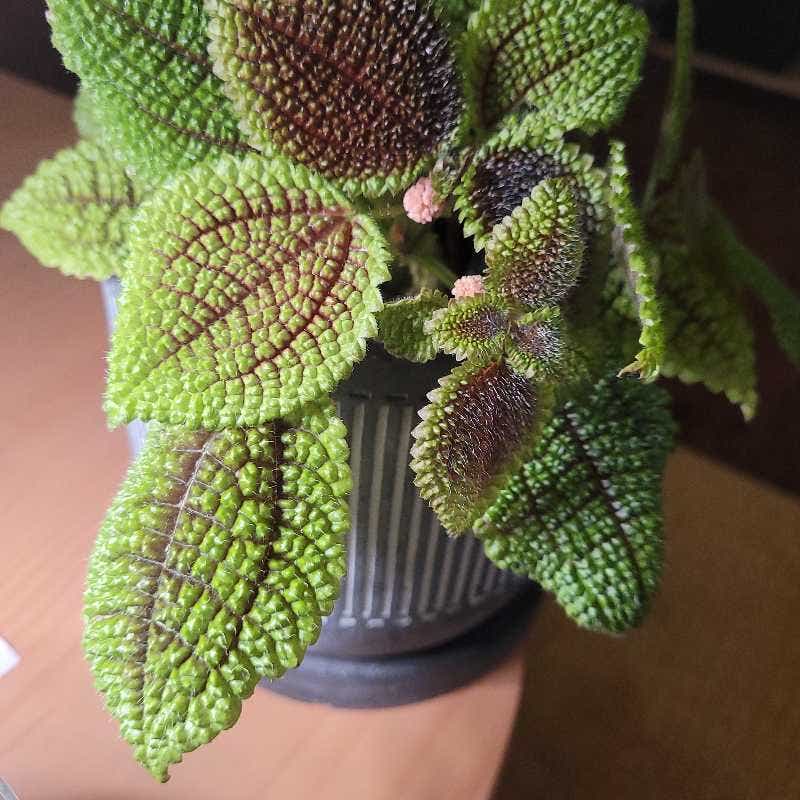
Dust can dull the beautiful leaves of your Moon Valley Pilea. Wipe them down with a damp cloth to keep them clean and vibrant.
🔄 Rotating for Even Growth
Don't forget to rotate your plant periodically. This simple step ensures that all sides receive equal light exposure, promoting balanced growth.
By staying vigilant and proactive, you can easily tackle common issues and keep your Moon Valley Pilea thriving. Next, let’s explore the best soil and fertilization practices to further enhance your plant's health.
Placement and Environment
Best Locations 🌍
Finding the right spot for your Moon Valley Pilea is crucial for its health. Ideally, place it near east or west-facing windows where it can bask in filtered light.
Avoid locations near heating vents or air conditioning units. These can create drafts and temperature fluctuations that stress the plant.
Seasonal Considerations 🌦️
As the seasons change, so should your plant's placement. Adjust its location to ensure it receives adequate light exposure throughout the year.
Keep an eye on temperature fluctuations, especially during colder months. This proactive approach will help your Pilea thrive in any season.
With the right placement and attention to seasonal changes, your Moon Valley Pilea will flourish beautifully. Next, let’s explore its watering needs to keep it hydrated and healthy.
⚠️ Safety First
This content is for general information and may contain errors, omissions, or outdated details. It is not medical, veterinary advice, or an endorsement of therapeutic claims.
Always consult a qualified healthcare professional before using any plant as food, medicine, or supplement.
Never eat any plant (or feed one to pets) without confirming its identity with at least two trusted sources.
If you suspect poisoning, call Poison Control (800) 222-1222, the Pet Poison Helpline (800) 213-6680, or your local emergency service immediately.
Spotted an error? Please report it here.
Nurture your Moon Valley Pilea to vibrant health 🌿 with Greg's personalized care reminders and expert tips, ensuring it thrives in the perfect light and humidity!